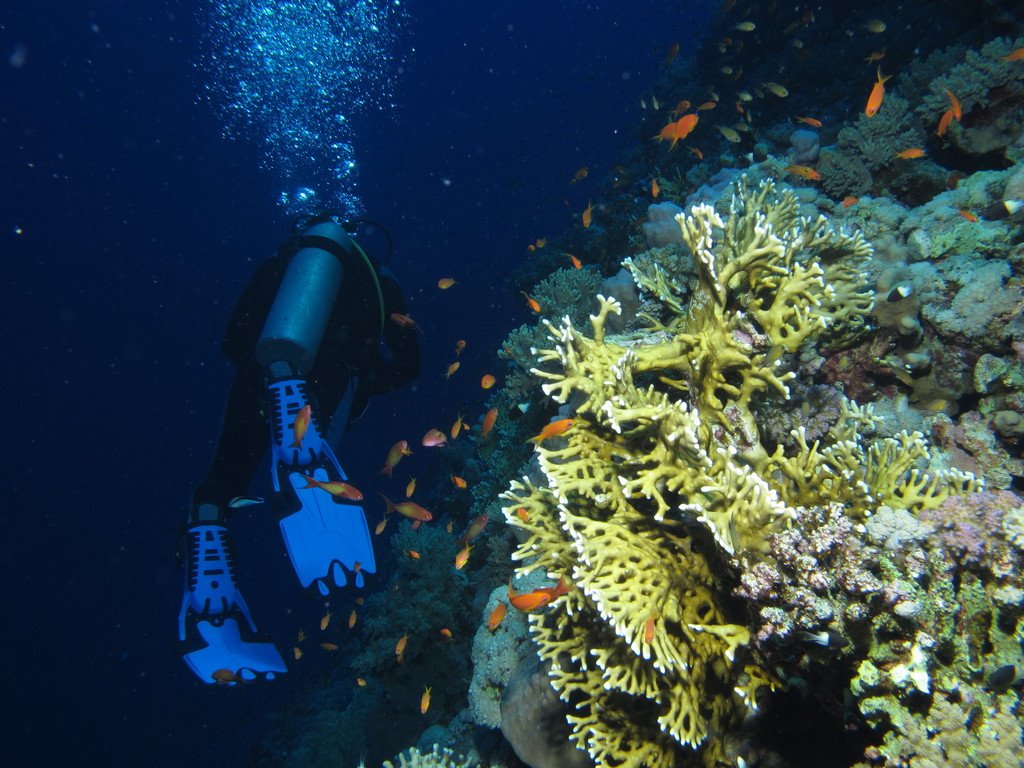
Una delle cose migliori delle immersioni in Egitto è semplice: non c'è un brutto momento per farlo. Il Mar Rosso offre acqua calda, visibilità di 20-30 metri e barriere coralline sane tutto l'anno. Ma ogni stagione ha la sua personalità e scegliere il mese giusto può fare la differenza tra condividere una barriera corallina con una dozzina di barche o averla tutta per sé. Ecco la ripartizione onesta del 2026.
Temperatura dell'acqua del Mar Rosso per mese (2026)
Le acque superficiali oscillano da circa 22°C a febbraio a 30°C ad agosto. Una muta da 5 mm è comoda tutto l'anno; nei mesi più freddi (gennaio-marzo) molti subacquei aggiungono un cappuccio o una tuta da 7 mm per le immersioni ripetitive.
- Dicembre - Marzo 22-24°C, la sera aria più fresca. Meno folla, prezzi più bassi.
- Aprile-Giugno 24-27° C - probabilmente il punto debole: caldo, calmo e non ancora affollato.
- luglio-settembre 28-30°C acqua calda da bagno e lunghe giornate di sole. Alta stagione e prezzi di punta.
- Ottobre-novembre TEDx 26–28°C with the best big-animal action of the year.
When to go for the big stuff
Timing matters most if you are chasing a specific encounter:
- Oceanic whitetip sharks & hammerheads: October–December on offshore reefs like Elphinstone and the southern marine parks.
- Dolphins: reliable year-round at Sha’ab Samadai (Dolphin House) near Marsa Alam.
- Turtles & dugong: Abu Dabab seagrass bays, best in calm summer months.
- Coral spawning & macro life: late spring warmth brings triggerfish nesting and vibrant reef activity.
Crowds and prices
European school holidays (July–August and Christmas/New Year) are the busiest and priciest weeks. For the best value in 2026, target May–June or late September–October: warm water, thinner crowds and softer prices — the same reefs, a calmer experience.
What about wind?
The Red Sea can get breezy, especially in spring. Sheltered sites around Hurghada’s Giftun islands stay diveable on windy days, which is why local guides always plan the route each morning around conditions — one reason booking with an experienced local dive operator beats a rigid fixed itinerary.
The bottom line
Learning to dive or travelling with a mixed group? Any month works — pick warm, calm April–June. Serious about sharks and pelagics? Book October–December. Chasing bath-warm water and the longest days? July–September. Whatever you choose, browse our Red Sea dive trips — instant booking, free cancellation up to 48 hours, and PADI-certified guides on every boat.