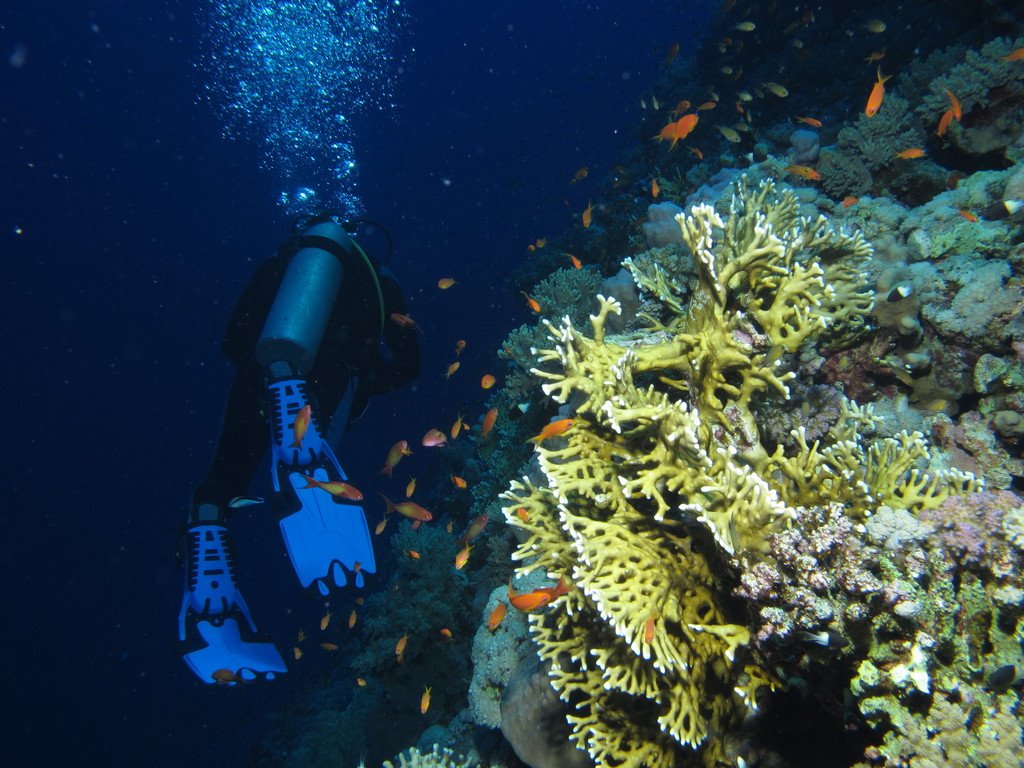
Divemaster is the point where diving stops being just a hobby and starts looking like a professional path — it's the first rating PADI (and every other major agency) recognises as a working qualification, and it's a required step before Assistant Instructor or full Instructor training.
How long does it actually take?
Unlike Open Water or Advanced, which run over a few fixed days, Divemaster is usually measured in weeks — commonly somewhere around a month at a busy dive center, though it depends heavily on how many dives and how much theory time you can put in each week. Centers that run it full-time with a small group tend to move faster than those fitting it around walk-in customers.
What the course covers
Expect a mix of: dive theory exams covering physics, physiology and dive planning; watermanship assessments (swimming, snorkel skills, timed swims); practical skills demonstrations you'll later need to demonstrate to students yourself; and a heavy dose of supervised in-water time assisting instructors with Open Water and Advanced students. Map and search-and-recovery exercises, plus a mock rescue scenario, typically round out the practical side.
What you need before starting
PADI requires Rescue Diver certification, EFR (Emergency First Response) training within the last 24 months, and a minimum number of logged dives (40 to enrol, 60 to certify) — so most divers arrive at Divemaster having already built up Advanced Open Water and Rescue along the way, rather than jumping straight in from Open Water.
What changes once you're certified
A Divemaster can supervise certified divers, assist instructors during courses, run programs like Discover Snorkeling, and lead certified-diver activities independently. For many, it's also the natural point to decide whether to keep going toward Instructor status or use the rating to dive more seriously while travelling or working seasonally at a dive center.