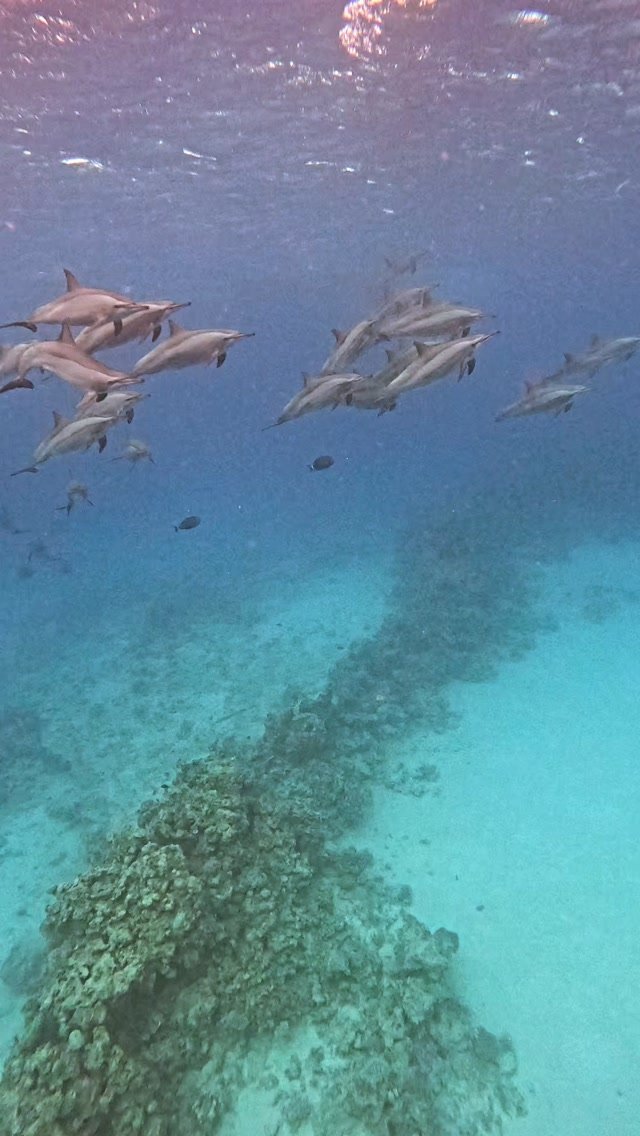
Most people book a dive holiday and never think about their insurance policy again until the day something aches. That is usually fine — diving in Egypt has a good safety record and the overwhelming majority of divers go home with nothing worse than sunburn. But two things are worth twenty minutes before you fly: knowing whether your policy actually covers diving, and knowing what your own health means for the water.
This is a practical guide, not medical advice. Every question about your body belongs to your doctor, and every question about your cover belongs to your insurer — this article is about knowing which questions to ask.
Does travel insurance cover scuba diving?
Often, but rarely without conditions. Most standard travel policies treat recreational diving as an included activity up to a depth limit, and most of them draw that line at 30 metres — sometimes 18, occasionally 40. The limit tends to be tied to the certification you hold and to being accompanied by a professional. Read the section on sports and hazardous activities before you assume anything.
The exclusions that catch people out are consistent across insurers:
- Diving deeper than your certification allows. An Open Water diver on a 30-metre dive is outside both the training standard and, usually, the policy.
- Diving without a guide or instructor, where the policy requires one.
- Alcohol. Any incident where alcohol is involved is commonly excluded outright.
- Technical, cave and decompression diving, which almost always needs a specialist policy.
- Pre-existing medical conditions that were not declared when the policy was bought.
- Repatriation and chamber treatment — check they are covered explicitly, and to what limit, because the emergency treatment of a diving injury is where a policy is actually tested.
Divers who dive regularly often add a dedicated diving policy on top of a normal travel one, precisely because chamber treatment and evacuation are the expensive parts. If your policy is silent on any of the points above, email the insurer and keep the reply. A written answer before the trip is worth more than a phone call after it.
What to check before you fly
- The depth limit, and whether it matches the diving you have booked.
- Whether recompression chamber treatment is named in the policy.
- Whether medical evacuation and repatriation are included, and the ceiling on each.
- The 24-hour emergency assistance number, saved in your phone and written on paper.
- Your policy number, stored somewhere that does not depend on a phone battery.
- Whether the insurer settles the hospital directly or reimburses you afterwards — the two lead to very different days.
What does the dive medical questionnaire actually ask?
Every diver signs a medical declaration before getting in the water. It is a short list of yes/no questions drawn from the standard recreational diving medical form, and a "yes" is not a refusal — it is a request for a doctor to look at it first. The areas it covers:
- Lungs and breathing: asthma, recent chest infection, collapsed lung, any surgery on the chest.
- Heart and circulation: heart disease, high blood pressure, chest pain, a pacemaker or stent.
- Ears and sinuses: ear surgery, perforated eardrum, sinus problems, persistent difficulty equalising.
- Neurological: epilepsy, blackouts, migraine with aura, previous head injury.
- Metabolic: diabetes, particularly if treated with insulin.
- Medication, pregnancy, and recent surgery of any kind.
Answer it honestly, at home, before you travel. A "yes" answered honestly and cleared by a doctor takes one appointment. A "yes" hidden on the boat is the sentence an insurer will quote back to you if a claim ever follows.
Diving with a chronic condition
Plenty of people dive with well-controlled asthma, controlled diabetes, managed blood pressure and a long list of other conditions. Plenty of others are told not to. That decision belongs to a physician who knows diving medicine and knows your history — not to an instructor, not to a website, and not to a forum. The practical version: get the assessment done at home, bring the signed form with you, and bring a copy of your prescription list.
Ears, the part that actually stops most holidays
Ear and sinus trouble ends more dive days in Egypt than anything dramatic. Do not dive with a cold or a blocked nose; equalise early and often, gently, on the way down; stop and ascend a metre if it hurts, rather than pushing through it. Pain that continues after the dive is a reason to see a doctor the same day, not to dive again tomorrow.
Medication, sun and the boat
Seasickness tablets that cause drowsiness do not belong on a dive day — ask the pharmacist for a non-sedating option. Egyptian sun dehydrates faster than northern European sun does, and dehydration is one of the few risk factors a diver controls entirely. Water, shade, and alcohol left for the evening.
What happens if you are hurt on a dive in Egypt?
The chain of care on the Red Sea coast is well established, because the coast has been diving for forty years. In practice:
- On the boat: oxygen is carried on every boat we sell trips on, and the crew are trained to give it. Oxygen given early is the single most useful thing that happens to a decompression injury.
- Ashore: the operator arranges transport to a clinic or hospital. Hurghada and Marsa Alam both have private hospitals used to treating visitors, and the Red Sea coast has recompression chambers — this is a diving region, and it is equipped like one.
- Assessment: a doctor decides whether a chamber is needed. Many suspected cases turn out to be dehydration, an ear barotrauma or a muscle strain.
- Your insurer: call the emergency number as early as you can, ideally before treatment begins. Most policies require notification, and many can arrange direct settlement with the hospital so you are not paying and reclaiming.
Two numbers matter more than they sound: 18 to 24 hours between your last dive and your flight, and the same day for reporting symptoms rather than waiting to see how it feels tomorrow. Decompression symptoms treated within hours have a far better outcome than symptoms treated after a flight home.
The paperwork an insurer will ask for
Claims are lost on documentation far more often than on cover. If anything medical happens on a trip, collect these while you are still in Egypt:
- The medical report and diagnosis from the treating doctor, in English where possible.
- Itemised invoices and receipts for everything paid, including transport.
- Your dive log or computer profile for the dives in question.
- An incident report from the dive operator, and the booking confirmation showing what you booked and with whom.
- The name and licence details of the centre that ran the dive.
- Any correspondence with the insurer, including the claim reference from your first call.
Where we come in: the operator-side half of that list is ours to produce, and we produce it on request at no charge — booking confirmation, invoice, the dive profile and the operator incident report — and we will point you at the nearest appropriate clinic or hospital and help with the language barrier if you need it. We are a diving platform, not a medical provider and not an insurance intermediary: we do not decide what your policy covers, we do not bill your insurer, and the treating doctor makes every clinical decision. Ask us through the contact form or on WhatsApp and the documents follow the same day.
Diving conservatively is cheaper than any policy
Everything above is what to do when something has already gone wrong. Preventing it is mostly unglamorous habit:
- Stay well inside your limits. Depth, time and certification. The reef at 18 metres is the same reef as at 30.
- Ascend slowly and do the safety stop — three minutes at five metres, every dive, even when the boat is waiting.
- Consider nitrox for repetitive days; more margin on the same profile.
- Fix your buoyancy. Good buoyancy prevents the rapid ascents that cause most avoidable injuries.
- Take the day off when you are ill, exhausted, or hungover. There is always another boat tomorrow — and with free cancellation up to 48 hours before departure, calling it off is not an expensive decision.
- Dive with an operator that checks. Certification checks, honest briefings, sensible group sizes and oxygen on board are not bureaucracy; they are the reason nothing happens.
Book the dive, then read your policy
Diving is a safe sport practised by cautious people, and the Red Sea is one of the easiest places in the world to do it well: warm water, short boat rides, and dive centres that run to PADI standards year round. Browse guided dives and courses from €39 a day, read the site briefings so you know what you are signing up to, and choose the day that matches your level rather than your ambition.
Then spend twenty minutes with your policy document. It is the least interesting part of the trip and the only part you will be glad you did.
What to do in the first ten minutes of a sting, an ear problem or a suspected decompression symptom is a separate guide: Red Sea first aid, and when to see a doctor.
If you would rather not read any of this: the one-page version, with the four checks and the three steps, is travel insurance made simple.