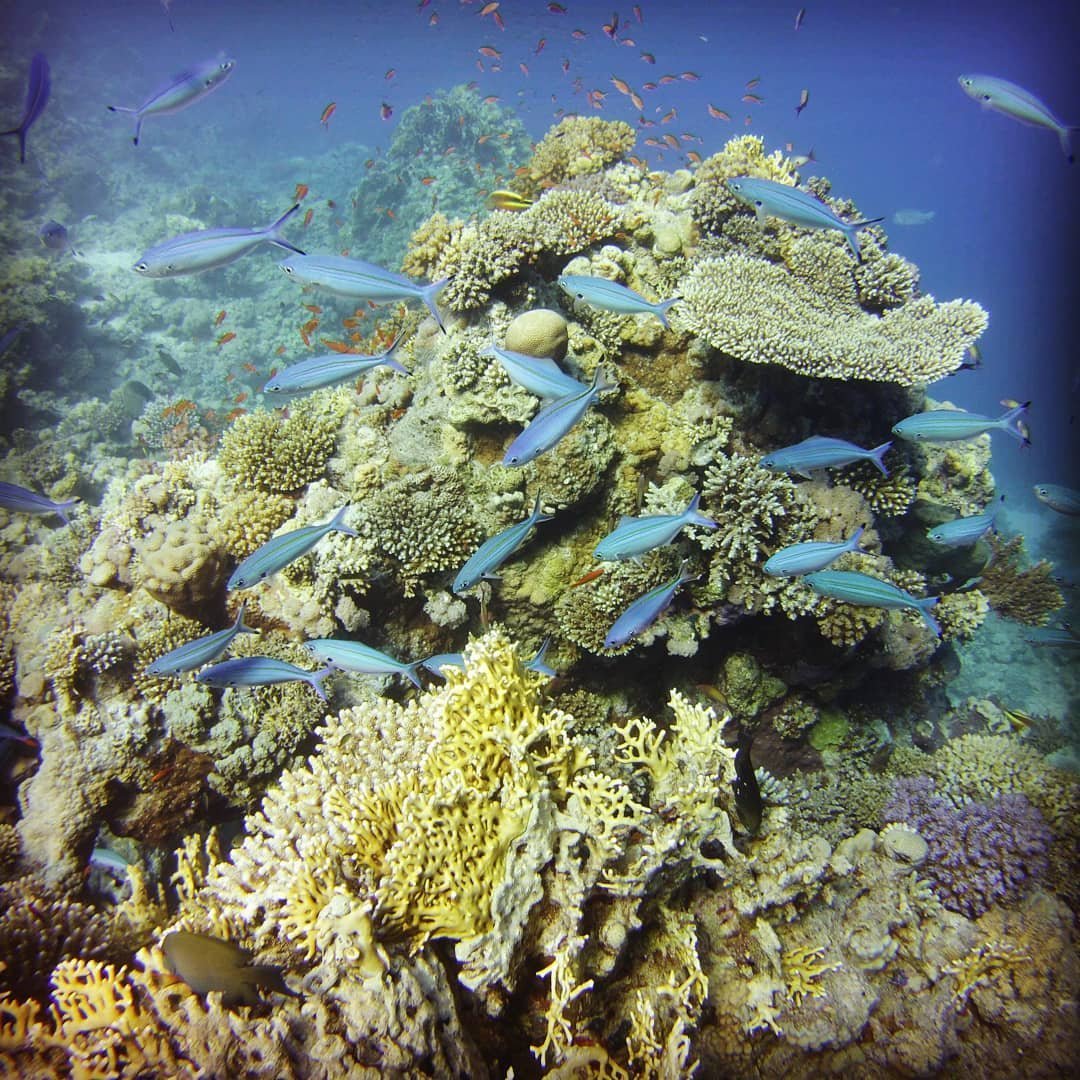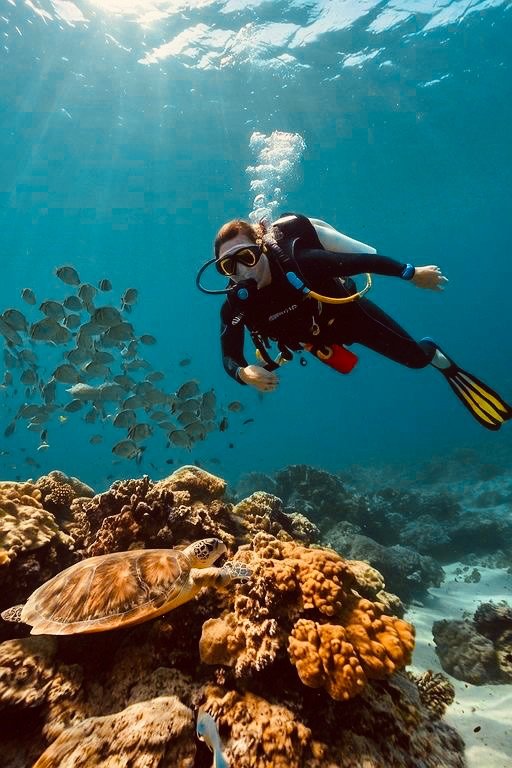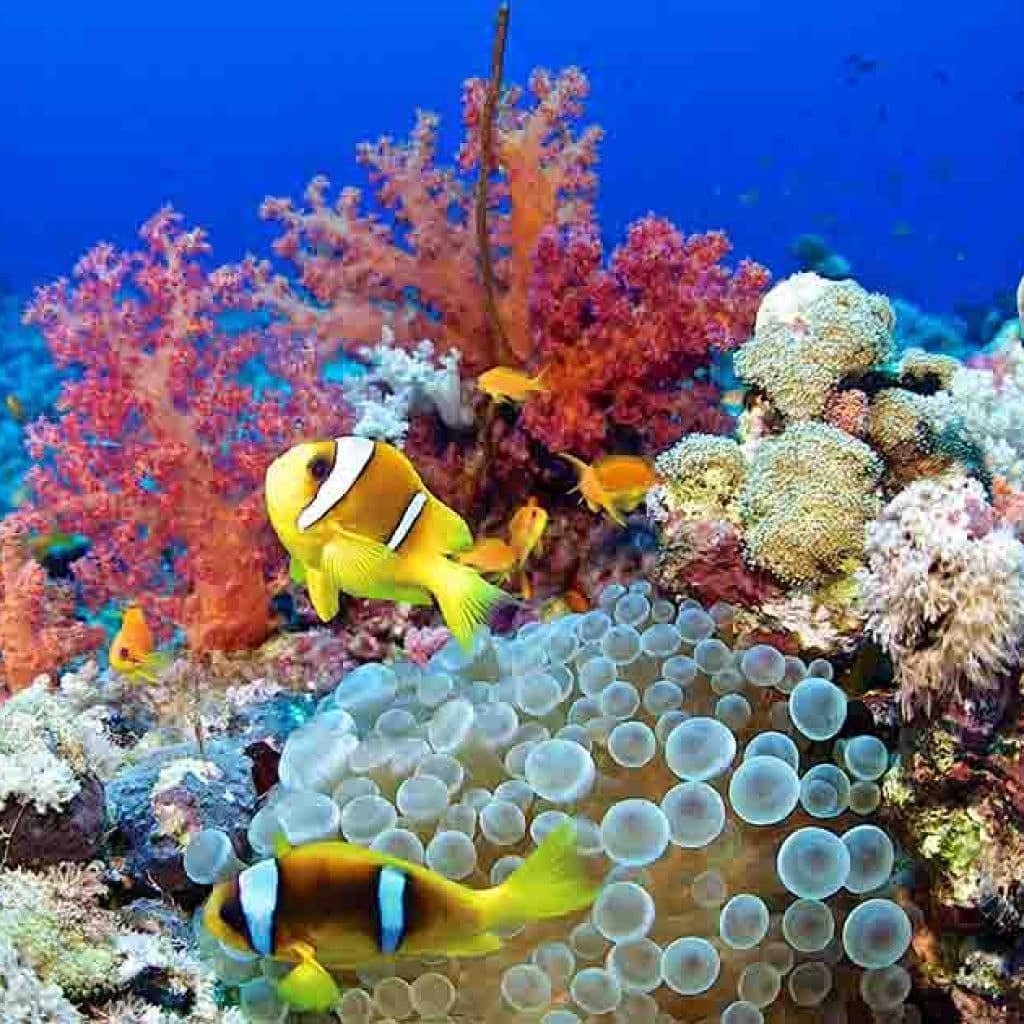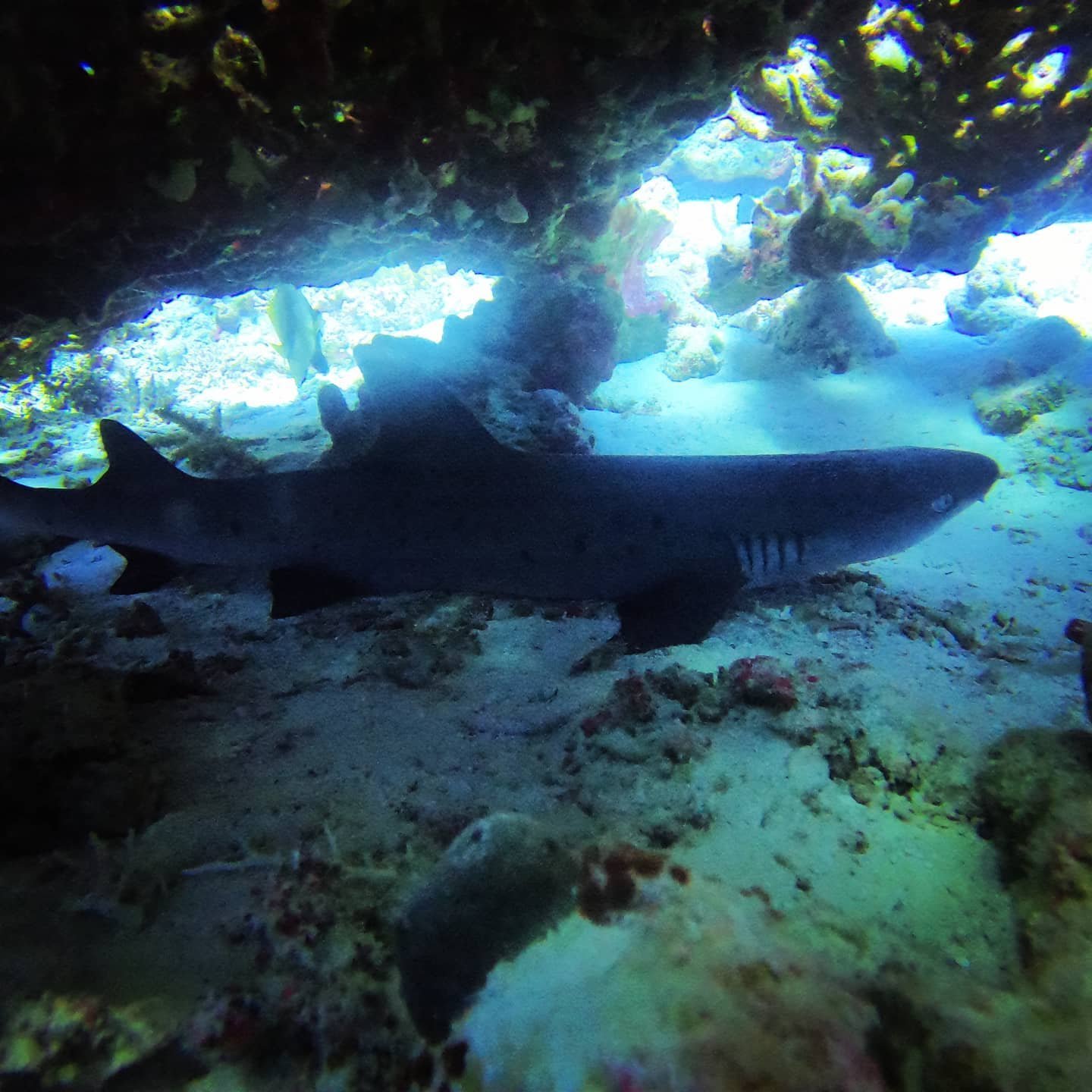
Twenty minutes out of the marina the engine drops to idle, and the water under the boat turns from deep blue to a pale, sandy turquoise. Most people remember that moment more clearly than the dive itself: the reef is visible from the deck, before anyone has even put a mask on. That is the Red Sea in ordinary conditions — 20 to 30 metres of visibility, water between 22 and 30 degrees, and reefs that sit twenty minutes from the hotel rather than a day away.
Then comes the part nobody enjoys. Ask three people in Hurghada what a two-tank diving day costs and you will get three answers, and the highest can be double the lowest for a seat on the same boat. So the traveller ends up stuck between two bad feelings: a price so low it raises questions about the equipment, or a price so high it feels like a tax for being a foreigner.
Egypt X Diving exists in the gap between those two. This guide explains where the gap comes from, and how to book on the honest side of it.
Why do two identical dive trips have two different prices?
Almost never because of the diving. The boat, the guide, the tanks and the reef are frequently the same. What differs is the number of hands the booking passes through before it reaches the dive centre, and each hand takes a margin:
- The hotel desk or the animator. Convenient, and usually the most expensive route on the coast: the commission is added on top of the operator price, not taken out of it.
- The seller on the promenade or at the jetty. Often cheap, sometimes genuinely good, and impossible to verify in the ninety seconds you are given to decide. You cannot see the boat, the insurance, the guide ratio or the service history of the regulator you are about to breathe from.
- Large international marketplaces. Reliable payment and real support, plus a platform fee of a size that has to end up somewhere — either on your invoice or in the operator margin, which is where quality gets trimmed.
A cheap price is not automatically a bad one. A cheap price with nothing published behind it is the problem, because you only find out what was cut after you are on the boat.
Close to the direct price, with the checks kept in place
We are a booking platform based on the Egyptian Red Sea coast, working directly with licensed dive centres in Hurghada and Marsa Alam that operate to PADI standards. There is no reseller between us and the boat, which is why our prices sit close to what you would pay walking into the dive centre yourself — and why what you are paying for is written down before you pay it.
- All-in prices. The figure on the trip page covers exactly what the trip page says it covers: boat, guide, tanks and weights, and lunch where the trip includes it. No commission added at a hotel desk, no fee produced on the jetty.
- Free cancellation up to 48 hours before departure. If the operator or the coastguard cancels, you choose between a full refund and a free reschedule.
- Instant confirmation, no account needed. Booking takes about two minutes, and your reference, invoice and QR voucher arrive by email — and on WhatsApp if you leave us a number.
- Pay online or in cash on arrival. Every trip on the platform can be reserved now and paid on the day, which matters if you would rather not send a card number ahead of a holiday.
- 7 languages, 3 currencies. English, Arabic, German, Russian, French, Italian and Polish, with prices in euros, US dollars or pounds sterling. Comparing a dive day should not require a translation tool and a currency calculator first.
- Reviews from real bookings only. A review can only be left on a booking whose voucher was scanned by the operator on the day of the trip. Nobody can review a trip they never dived.
Is cheap diving in Egypt safe?
It can be, and the way to find out is to look at what is published rather than at the number alone. Egypt has more competition per kilometre of coastline than almost anywhere else in diving, which pushes honest prices genuinely low — a guided two-tank day from €39 is a normal local price, not a warning sign. What separates a good cheap trip from a dangerous one is boring, checkable detail:
- Serviced regulators, in-test tanks, and oxygen carried on board.
- A briefing before every dive, buddy checks, and a guide-to-diver ratio small enough for the guide to actually see everyone.
- A certification check and an honest medical declaration before deep or advanced dives.
- A boat that stays in port when the coastguard closes the sea, instead of sailing a marginal day to save a booking.
Every centre listed with us is licensed in Egypt, works to PADI standards, and has its paperwork checked before its trips appear on the site. We also publish depth, current, difficulty and marine life for every site in our dive site guide, so you can judge whether a site suits your level before you pay rather than at the back roll. The longer version of this check is in how to choose a dive centre in Hurghada.
One platform for the whole day on the water
A group is rarely made of divers alone. The catalogue is built around that: 83 bookable trips across 2 Red Sea bases, covering the certified diver, the person who has never breathed underwater, and everyone who would rather stay on the surface.
Snorkelling and boat days
Reef days, Dolphin House at Sha ab Samadai, the turtle and dugong bay at Abu Dabbab, island hopping at Hamata and the mangroves of Wadi el Gemal. Gear, guide and lunch on board, and no certification required.
A first dive, without a licence
Discover Scuba Diving puts an uncertified adult at 12 metres with an instructor beside them. It is a real dive in open water, not a pool demonstration, and for a lot of visitors it is the whole reason they come back the following year.
PADI courses, beginner to professional
Open Water, Advanced, Rescue, Divemaster, and the specialties — nitrox, deep, wreck, night, sidemount, buoyancy and underwater photography — plus Bubblemaker and Seal Team for children. All taught by instructors who teach these same reefs year round.
Multi-day dive packages
Packages run from a single half day up to ten dives over five days. The per-dive price falls sharply with length, which is the cheapest legitimate way to dive a lot in one week.
Somewhere we do not list yet
Our bookable catalogue covers Hurghada and Marsa Alam. For Sharm el-Sheikh, Dahab, a liveaboard safari or a private boat, send us the dates and the group size through the trip request form and we will come back with a quote from an operator we already work with — or tell you plainly that we cannot cover it. We would rather do that than list a destination we cannot stand behind.
Platform booking versus booking at the jetty
| What you care about | Street, jetty or hotel desk | Egypt X Diving |
|---|---|---|
| Price | Negotiated on the spot, different for every guest | Published, identical for everyone, in your currency |
| What is included | Told to you verbally | Listed on the trip page and on your voucher |
| Extra costs | Marine park fees and gear hire can appear on the day | Stated before you pay |
| The operator | Usually not named before you board | Named on the voucher, licensed and checked |
| The dive site | Named, rarely described | Depth, current, difficulty and marine life published |
| Cancelling | At the seller's discretion | Free up to 48 hours before departure |
| Proof of payment | Cash, sometimes a handwritten slip | Invoice, booking reference and QR voucher |
| Reviews | None you can check | Only from bookings redeemed on the day |
What does a fair 2026 price actually look like?
Per person, from our current catalogue, so you have real numbers to hold up against whatever you are quoted:
- Guided two-tank diving day in Hurghada: from €39, lunch and marine park fee included; equipment rental is extra.
- Discover Scuba Diving, no licence needed: from €57.
- Snorkelling day trip: from €59, rising to €66 for Dolphin House.
- PADI Open Water certification: from €326, three to four days, valid for life.
- Ten dives over five days: €322, which works out at roughly €32 a dive.
Anything far below those numbers deserves a question about what was removed to get there. Anything far above them is paying for somebody in the middle. The full budget for a week, flights and hotel included, is broken down in how much a Red Sea diving holiday costs in 2026.
Tips for a better week in the water
Pick your month for what you want to see
There is no closed season here. April to June and September to November give the most comfortable combination of warm water, calm wind and thinner crowds. October to December is the window for oceanic whitetips and hammerheads on the offshore reefs. July and August are the hottest, busiest and dearest weeks of the year. The month-by-month detail is in the best time to dive the Red Sea.
Bring your own mask if you bring nothing else
A mask that seals on your face is the one piece of equipment worth carrying in your luggage. Test it dry: hold it against your face without the strap, breathe in gently through your nose, and it should stay put on its own. A leaking rental mask ruins a snorkelling day more reliably than bad weather does. Fins and wetsuits are fine to rent — 3 mm is enough in summer, 5 mm for the rest of the year.
Drink before you are thirsty
Dry air, sun, salt and the breathing gas itself dehydrate you faster than you notice, and dehydration is one of the few risk factors a diver controls completely. Two litres of water across a boat day, coffee and alcohol left for the evening, and no diving at all after a heavy night.
Leave the reef exactly as you found it
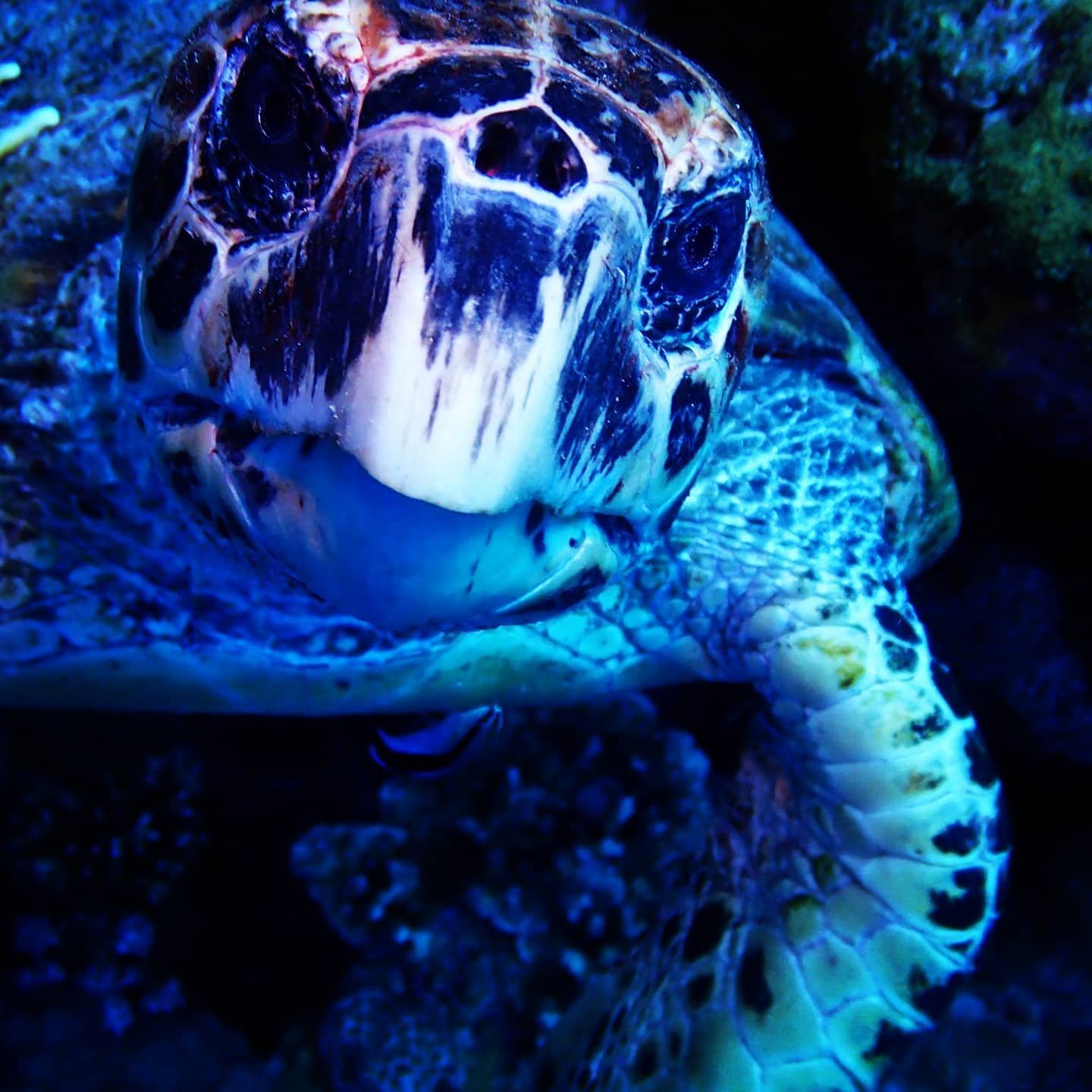
Do not stand on coral, do not touch or chase turtles and dolphins, and take nothing off the bottom, shells included. Use reef-safe sunscreen, or better, a rash vest instead of sunscreen. Good buoyancy is the real conservation skill: a diver who can hold their depth without using their hands never breaks anything.
Do the paperwork before you fly
Carry your certification card and logbook, check that your travel insurance genuinely covers recreational diving to the depth you plan on, and leave 18 to 24 hours between your last dive and your flight home.
Book your next Red Sea day
In Egypt you do not have to choose between a good price and a safe boat. You have to choose an operator that publishes both. Browse the full trip catalogue with live prices in your own currency, read the site guides before you decide, and book in about two minutes — free cancellation up to 48 hours before departure, and payment online or in cash on the day.
The reef has been there a very long time. Your week has not.