Hurghada has been built around visitors for decades, and for most travellers a holiday here is uneventful in the best way. This guide gives you the honest version: what is normal, what to watch for, and what makes the diving itself safe.
Is Hurghada safe for tourists?
For the great majority of visitors, yes. The resorts, the marina and the main tourist streets are used to visitors from all over the world, and most holidays pass without a single problem. As anywhere, the trouble that does happen is usually small and avoidable: an inflated taxi fare, a pushy seller, a stomach upset, or too much sun.
Before you book any trip to Egypt, read your own government's current travel advice for the destination. It is written for your nationality and updated when conditions change, which no general article can be.
Is it safe for a woman to travel to Hurghada alone?
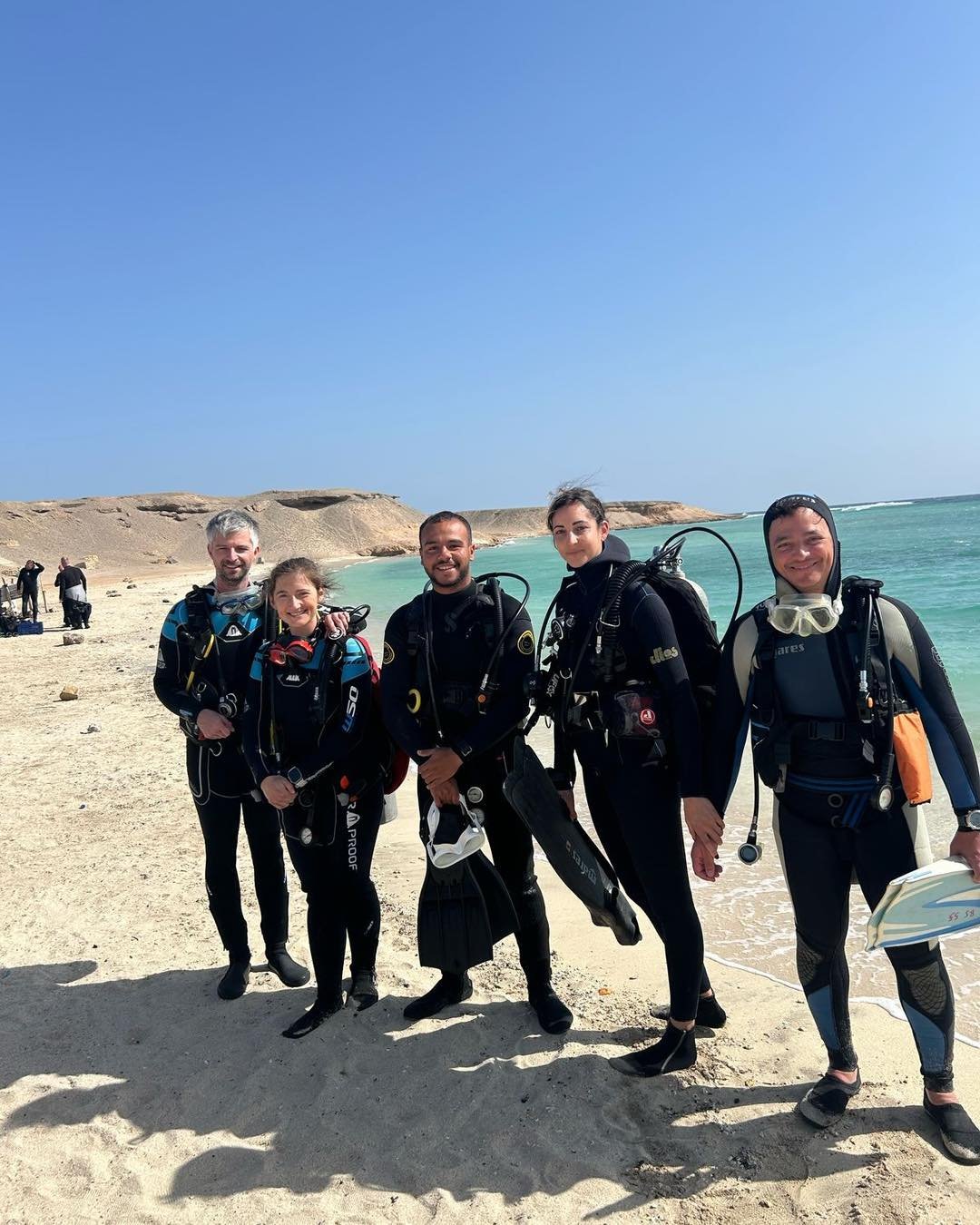
We host solo women on our trips regularly. Our boats and excursions are mixed groups with an instructor or guide present throughout, which makes them an easy way to meet people as well as a safe one. You can read a short answer on the same question in our Ask section.
A few habits make the trip smoother:
- Dress with the setting in mind. Swimwear is normal at the resort and on the boat. Away from the resorts, covering shoulders and knees avoids unwanted attention and is simply polite.
- Choose your hotel location carefully. A hotel in a busy, well-lit area makes evenings easier than a remote one.
- Agree the taxi fare before you get in, or ask your hotel to arrange the car.
- Tell someone your plan. Share your booking details and pick-up time with the hotel or a friend at home.
- A firm, calm "no thank you" is enough. Sellers are persistent rather than dangerous, and walking on politely ends most conversations.
What everyday hassles should you expect?
The things visitors mention most are not about safety at all. They are about being sold to.
- Taxis without a meter. Settle the price first, and carry small notes so you do not depend on the driver having change.
- Street sellers and "free" offers. A free ride, tea or gift often leads to a shop. You are never obliged to buy.
- Unofficial trips. Book excursions through a company with a real office, a written price and a confirmation. Our money and currency guide explains what to pay in advance, what to pay on the day and which currency to carry.
- Bargaining. In markets a first price is a starting point. In shops with printed prices it is not.
Is the food and water safe?
Stick to bottled or filtered water, including for brushing your teeth if you have a sensitive stomach. Eat where the food is hot and freshly cooked and the place is busy. A stomach upset is the most common health complaint of visitors to any warm country, so pack basic rehydration salts. A sick day matters more than usual if you have a dive booked, so give yourself a buffer in your plans.
Is diving in the Red Sea safe?
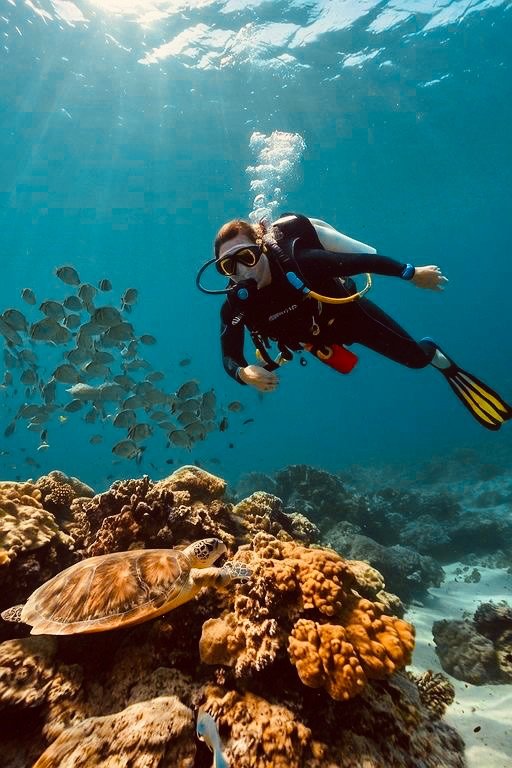
Recreational diving here follows the same international standards as anywhere in the world, and the Red Sea is known for warm, clear and generally calm conditions. What keeps a dive safe is mostly the same on every coast:
- A proper briefing on the site, the depth, the current and the signals before you enter the water.
- Diving within your certification. Some of the most famous sites are for Advanced divers because of depth and current. See our guide to diving without a certificate if you have never dived.
- A guide who knows the site, and equipment that is serviced and fits you.
- Insurance that covers diving. Ordinary travel insurance often excludes it. Read travel insurance made simple before you buy.
After your last dive, follow the standard advice of waiting 18 to 24 hours before flying. If something does go wrong, our first aid guide for Red Sea diving injuries covers the common ones, from coral scratches to ear pain.
What about sharks and other sea life?
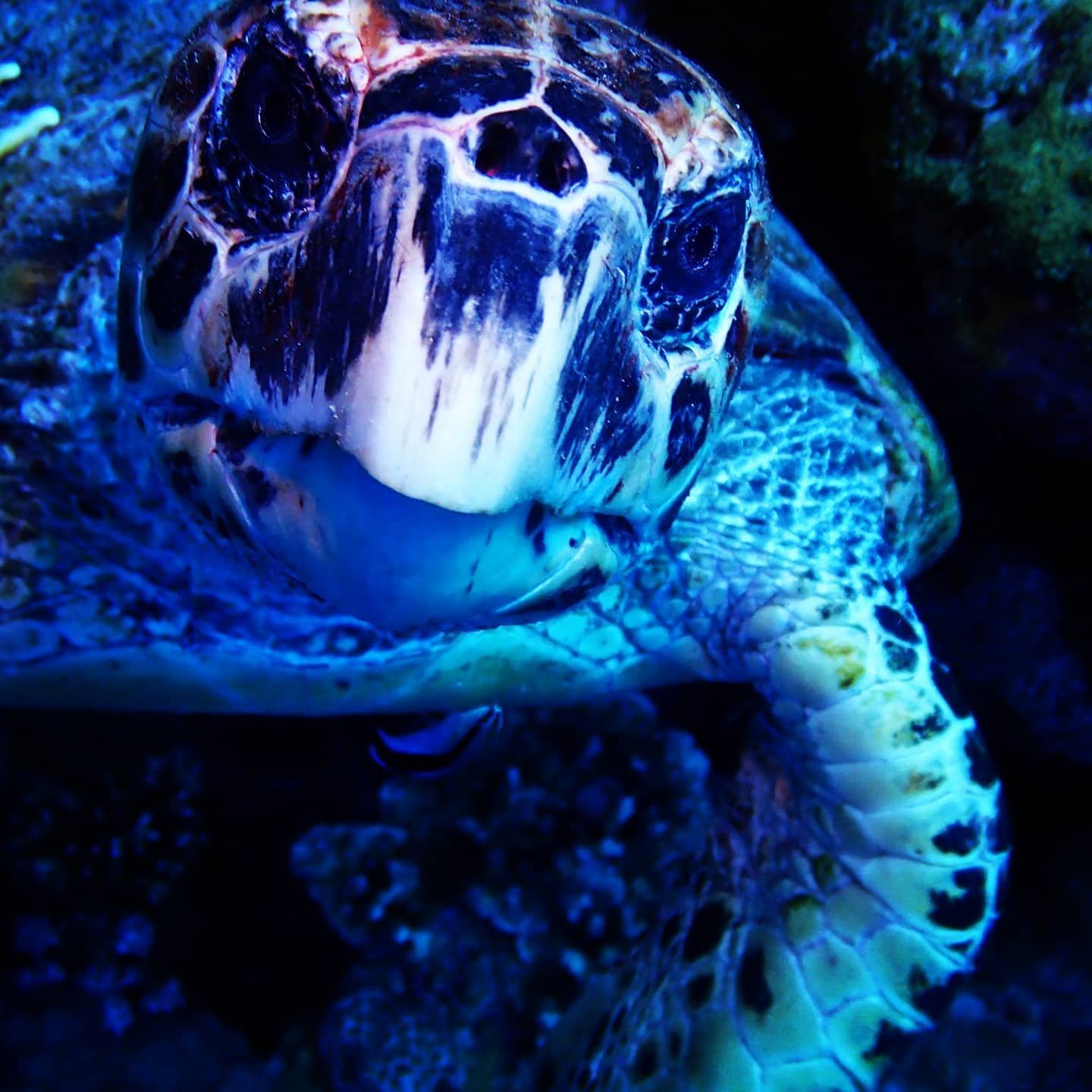
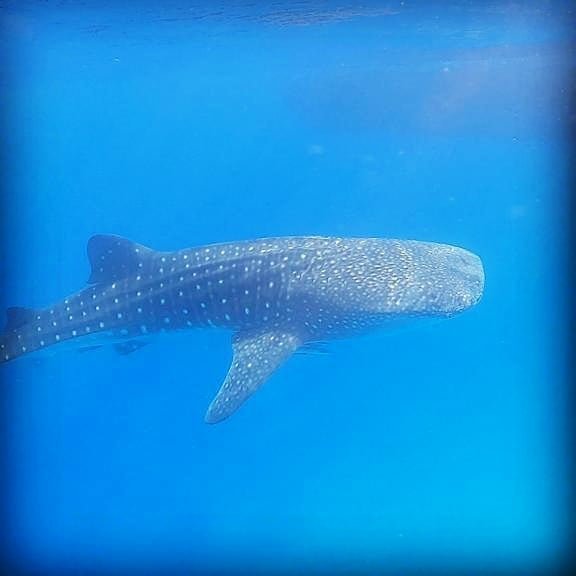
Sharks live in the Red Sea, and incidents involving divers are rare. Most divers never see more than a distant reef shark. The full picture is in Are there sharks in the Red Sea?. The animals that actually cause problems for visitors are the ordinary ones: fire coral, sea urchins and stonefish, all avoided by looking where you put your hands and feet and not touching the reef.
Is Hurghada safe for families with children?
Yes, and it is one of the easier Red Sea destinations for families, with calm sheltered reefs for first snorkels. Age limits for diving are set by international standards, not by individual dive centres. See diving with kids in Hurghada for the ages and rules.
How do you stay safe in the sun and heat?
This is the most common real problem on a boat day. Drink water before you feel thirsty, wear a hat and a rash vest, and use reef-safe sunscreen 20 minutes before you board. The wind on deck hides how strong the sun is.
Is Hurghada or Marsa Alam the safer choice?
Both are established dive destinations with the same standards on the water. The difference is the atmosphere: Hurghada is larger and livelier, while Marsa Alam is quieter with fewer people around. Our comparison of Hurghada versus Marsa Alam will help you choose.
Book with people who answer questions
If you have a specific worry, ask before you book. We reply to questions about pick-up, group size, age limits and medical conditions, and we would rather tell you a trip is not right for you than have you find out on the day. Browse the current trips or contact us.