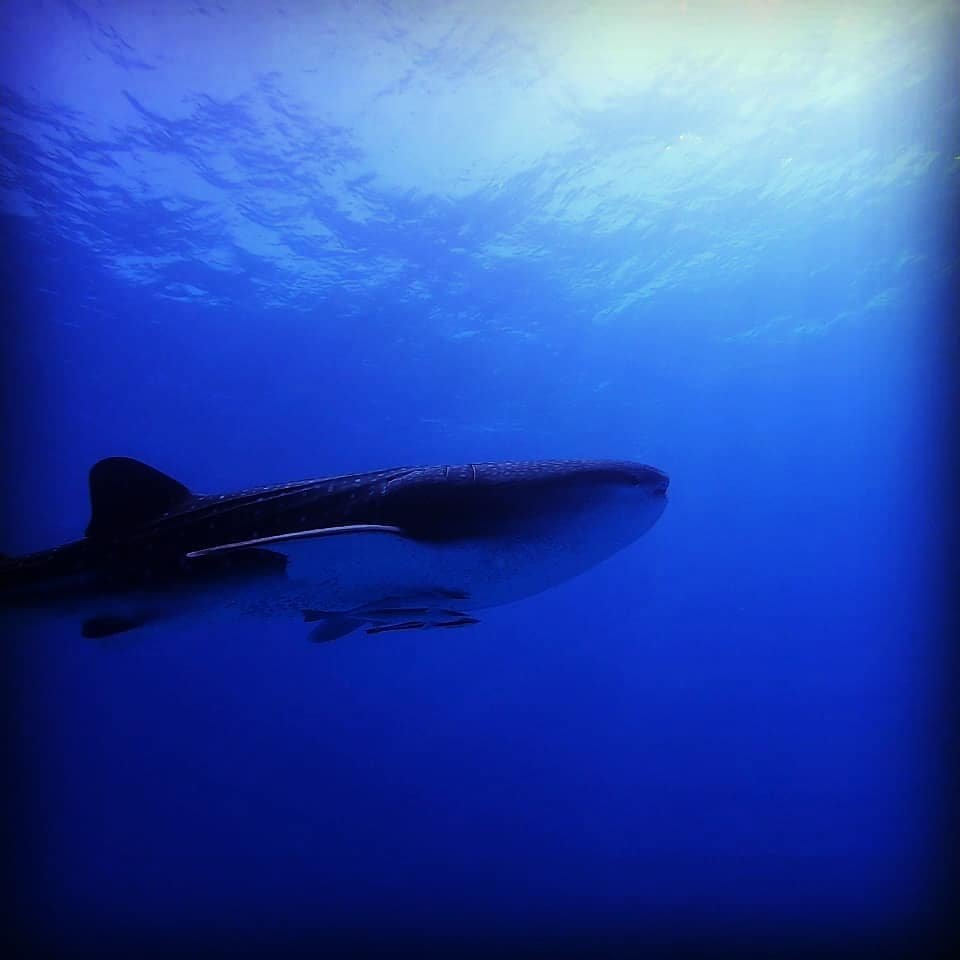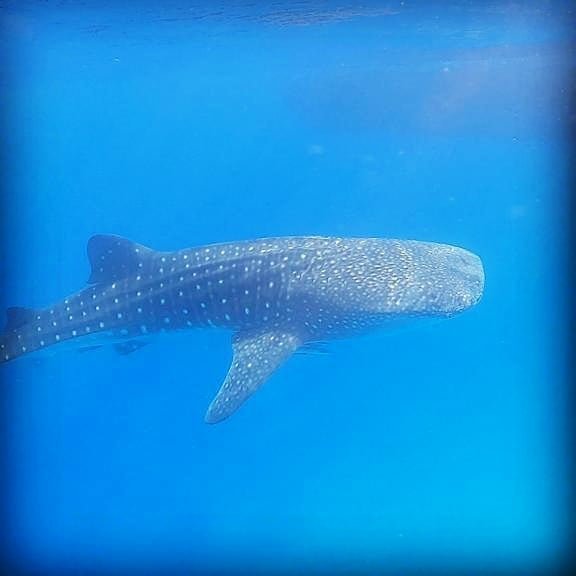
Whale sharks have been reported off Giftun Island in Hurghada this week, and the news is spreading fast. Here is what was actually reported, and everything worth knowing about the largest fish in the world.
Were whale sharks really seen off Giftun, Hurghada?
Yes. The Red Sea Protectorates authority reported whale sharks in the waters of Giftun Island in Hurghada and shared video of the sighting. Two whale sharks were seen at the same time, in the area between the Hamda and Sabina reefs.
The protectorates described the whale shark as peaceful and not a danger to people, and pointed to the sighting as a sign of how important the Red Sea is as a habitat and passage for large marine species that travel long distances in search of food.
Where is the sighting area?
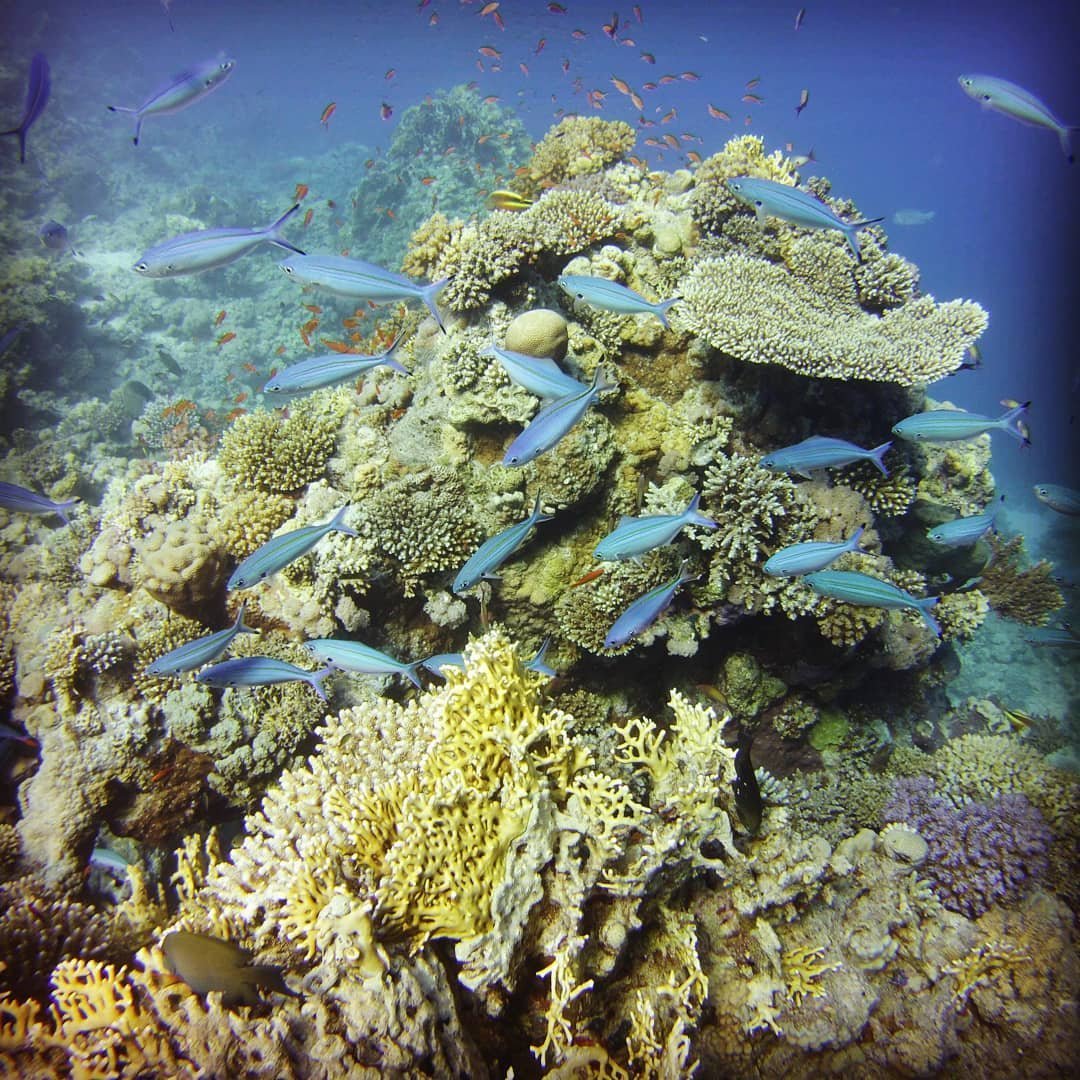
Giftun is the island group offshore from Hurghada, and the two reefs named in the report are both regular boat-trip and dive stops:
- Hamda (Stone Beach) — a small wall dropping from the reef top, then stepping down in terraces, about 70 minutes by boat.
- Shaab Sabina and Erg Sabina — coral ridges, towers and gardens, about 90 minutes by boat.
What is a whale shark?
The whale shark is the largest fish in the world, commonly reaching 10 metres or more. It is a shark, not a whale — a cartilaginous fish — and it is recognisable at once by the pattern of pale spots and lines on its dark back, which is unique to each animal.
Despite its size it feeds on some of the smallest food in the sea. It swims slowly with its huge mouth open and strains plankton and tiny fish from the water.
Is a whale shark dangerous?
No. It is a slow-moving filter feeder, not a hunter of divers or swimmers, and the Red Sea Protectorates describe it as peaceful. The only real risk in an encounter is to the animal, which is why the way you behave matters.
Why do whale sharks pass through the Red Sea?
According to the report, whale shark movements are influenced by wind direction, the speed and direction of currents, the depth of mixing in the water and ocean eddies that concentrate nutrients and plankton — in other words, they follow food.
The whale shark is classified as endangered worldwide, with a global population decline over three generations. The threats named include fishing, accidental catch, habitat degradation and climate change, which is also pushing whale sharks to change where they travel and raising the risk of collisions with ships in some areas.
Will you see one if you book a trip?
No, and it would be dishonest to suggest it. A sighting report tells you that whale sharks passed through recently — not that they will be there on your day. Treat any encounter as a bonus on top of a good reef day, not the reason to book. Our guide to sharks in the Red Sea explains what you can realistically expect, and our guide to Hurghada's best dive sites shows where a day out can take you.
How should you behave around a whale shark?
- Keep your distance. Do not chase, corner or surround the animal, and never touch it.
- Do not block its path — let it choose where to go.
- No flash, no scooters, no feeding.
- Follow your guide's briefing. The rules exist because the species is endangered and easily disturbed.
A calm, patient approach is both the right thing to do and the reason these animals keep appearing at all.
Plan your Hurghada trip around the wildlife
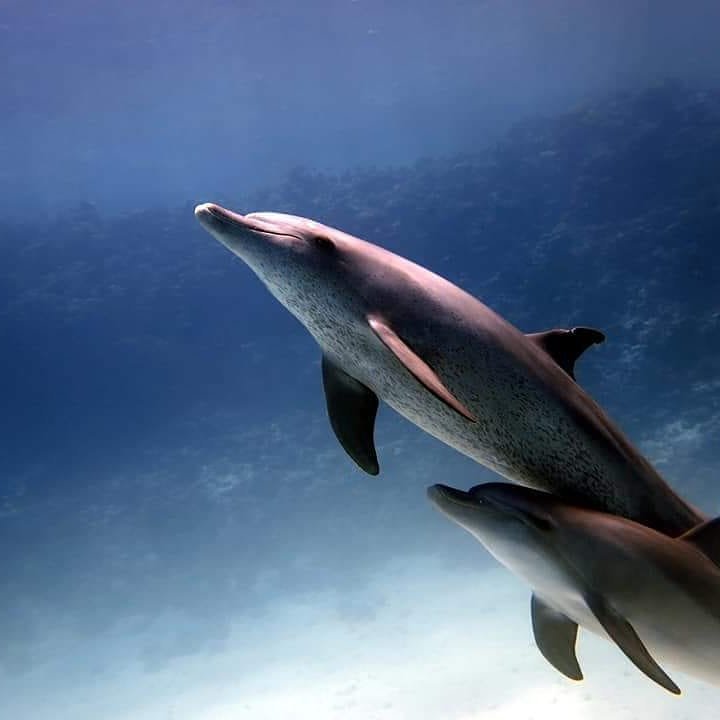
Hurghada offers reliable marine life every day — turtles, dolphins, reef fish and more. Browse current trips and see our Red Sea marine life guide for what you will realistically see. The same week also brought news of dugongs off the coast — read our dugong guide.