A rare visitor is in the news around Hurghada: the false killer whale. On 13 October 2026 the Egyptian daily Youm7 reported, citing a statement from a Red Sea conservation association, that a group of eight had been seen near Ashrafi Island, including a very large male. Here is what was reported, what the animal is, how rare it is in these waters and how to behave if you ever meet one.
What was reported near Hurghada?
According to the report, the group numbered eight: a large male estimated at no less than six metres long, a juvenile and several adults. Observers followed the animals for about an hour and watched them hunt a stingray, a rare look at how they feed. The association called the sighting a notable sign of the Red Sea’s biodiversity and urged continued monitoring, study and protection of marine life.
This guide rests on that one report, and we have not independently confirmed the exact location or numbers. We will update it if more is published.
What is a false killer whale, and is it really a whale?
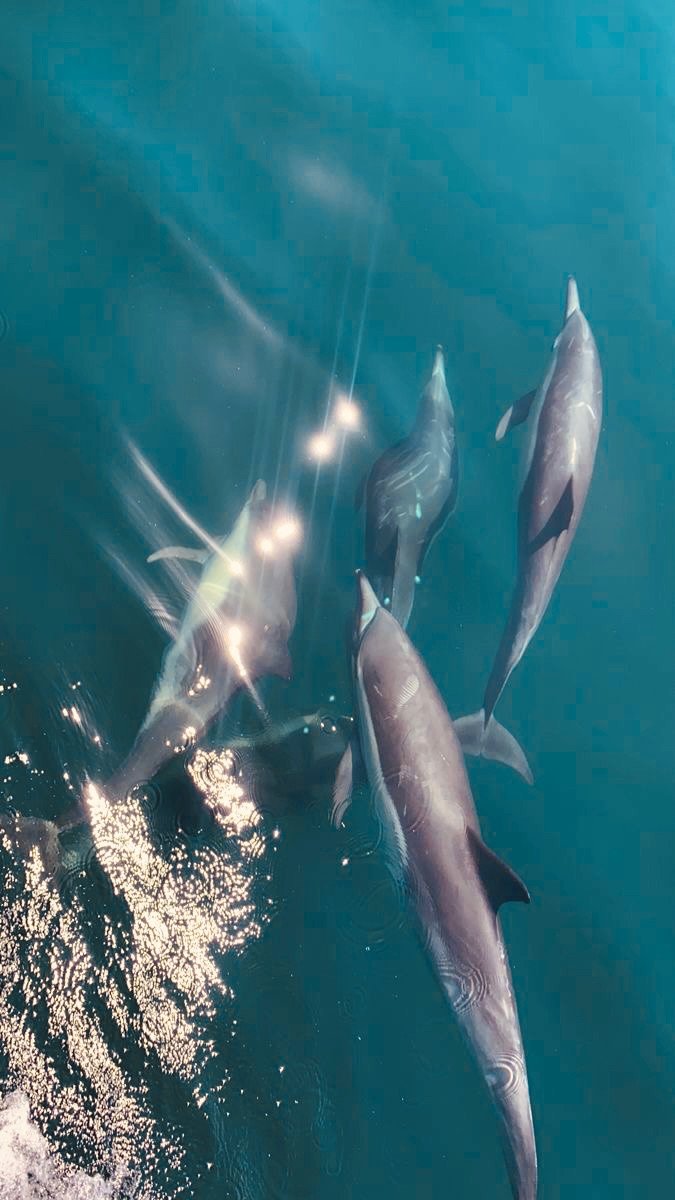
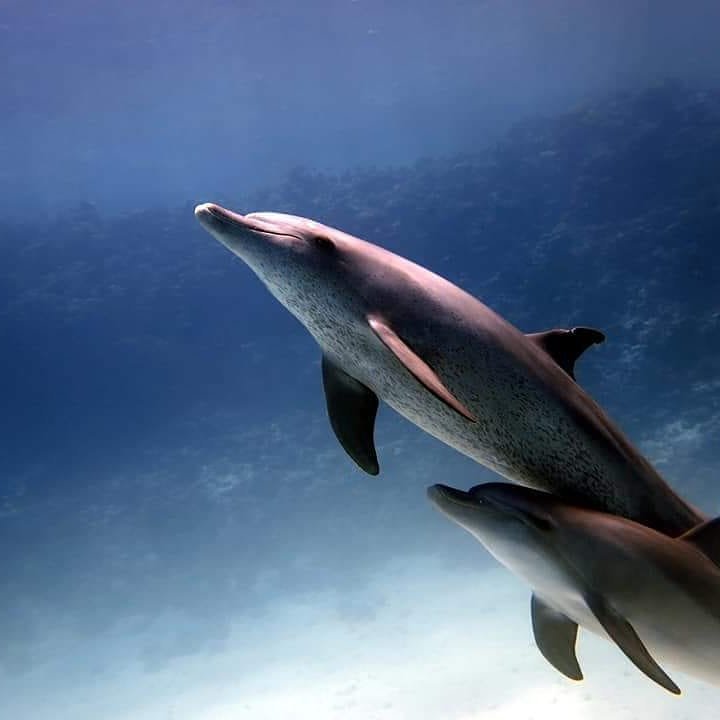
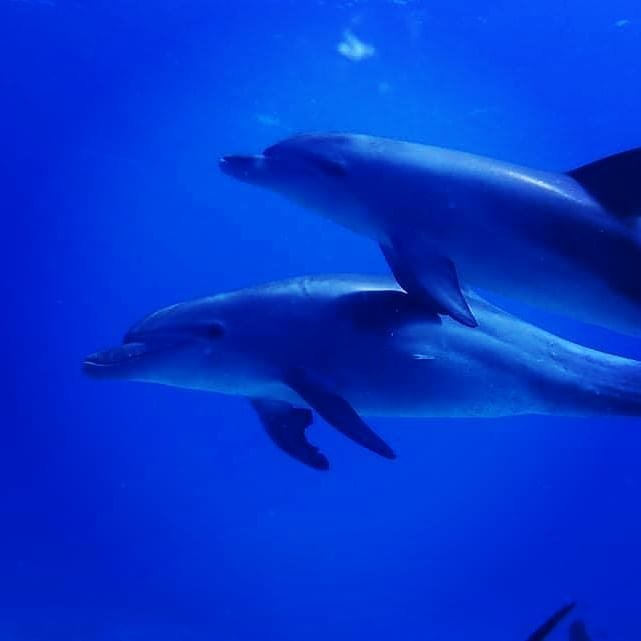
Not quite. The false killer whale (Pseudorca crassidens) is an oceanic dolphin, the third-largest member of the dolphin family. It is called “false” because its skull resembles that of the true killer whale, or orca, but it is a different species. Look for a slender, dark body with a grey throat and neck, a long tapered head, a sickle-shaped dorsal fin and narrow, short flippers.
Adults average about 4.9 metres. Females reach about 5.1 metres and 1,200 kg, and males up to about 6.1 metres and 2,200 kg. It lives in tropical and temperate seas worldwide, and the IUCN lists it as Near Threatened.

Is a false killer whale dangerous to divers?
Egyptian authorities and researchers describe the species as peaceful and sociable, and it travels in groups. It is still a large, wild top predator that hunts big fish and squid, so the right approach is the one you would use with any big animal: give it space, stay calm and let it decide what happens next.
How rare are false killer whales in the Red Sea?
Rare enough to make the news every time. Official records first show the species in the Red Sea in 1985, and sightings near Hurghada since then have been occasional:
- 2013: a dive centre reported a pod bow-riding beside its boat for about ten minutes, between Marsa Shouna and Marsa Mubarak in the south, according to HEPCA.
- 2020: researchers from Egypt’s National Institute of Oceanography and Fisheries reported a group of five off El Gouna, north of Hurghada.
- Date not given: a Red Sea Protectorates patrol reported about ten to twelve animals, each more than five metres long, near Magawish Island.
- 2022: a group of about seven was seen near Giftun Island during a diving trip.
In February 2020 a large false killer whale was found dead on a beach south of Hurghada, and a necropsy found no obvious injuries. A mounted false killer whale is on display at the National Institute of Oceanography and Fisheries in Hurghada.
Why are false killer whales appearing near Hurghada?
Nobody can say for certain. One official of the national oceanography institute has suggested that less human activity in some marine areas leaves these animals feeling safer. Large dolphins also follow their prey, so food may play a part, but that is our inference, not something the reports state.
What should you do if you meet false killer whales at sea?
- Stay calm and stay with your group. The animals decide how close to come.
- Keep your distance. Never chase, touch or feed them, and ask your skipper to keep the boat slow.
- Do not drop in on top of a pod, especially if the animals are hunting. Let your skipper or guide decide whether anyone enters the water.
- Follow your guide and the marine park rules, and note the time, place and number of animals so a sighting can be reported to the protectorate.
Can you see false killer whales on a trip from Hurghada?
Not on demand. Sightings are rare and unplanned, so treat one as a bonus rather than a reason to book. Days at sea around Giftun and Magawish give you the most chances, and the resident dolphins at Dolphin House are far more predictable. See our guides to wild dolphins around Hurghada and Marsa Alam, the 10 marine species you can really see and the whale shark near Giftun.
Where does this information come from?
The October 2026 sighting is from Youm7 (13 October 2026), which cites a statement by the Egyptian association for environmental conservation in the Red Sea. Species facts come from HEPCA’s species profile and Egyptian press coverage by Egypt Independent, EgyptToday and Youm7, and the conservation status from the IUCN. The photos are NOAA archive images in the public domain, taken in the Pacific.