Most famous Red Sea wrecks demand real depth and real experience. The Hamada, resting off the village of Abu Ghusun south of Marsa Alam, does not — and that is exactly what makes it worth knowing about.
What is the Hamada, and how did it get there?
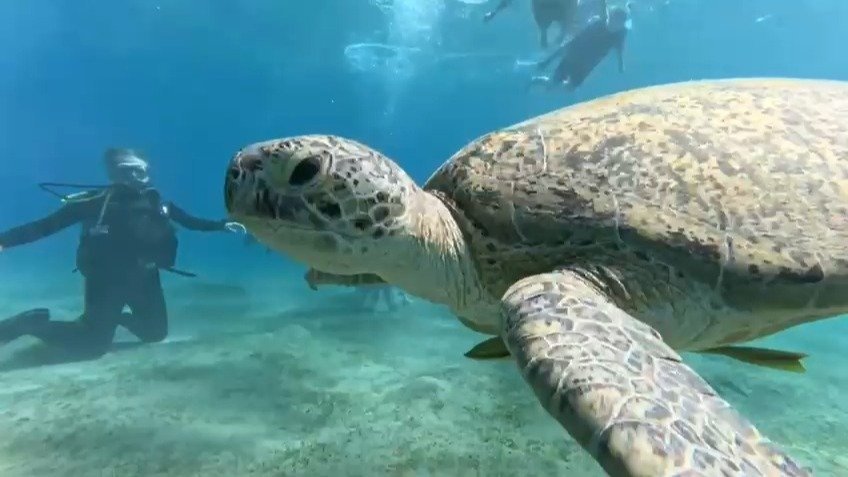
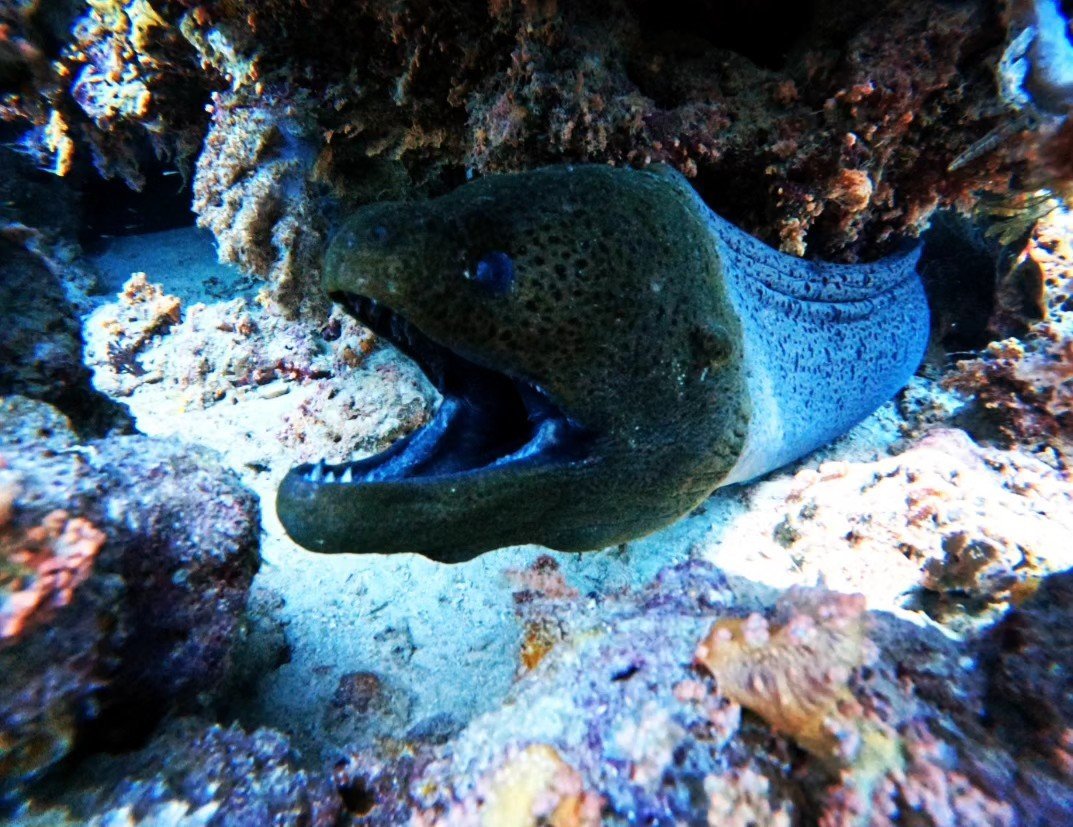
The Hamada is a cargo ship that sank in 1993 and now sits on a sandy seabed just off the shore, in only 5 to 18 metres of water. Decades underwater have turned the hull into a thriving artificial reef, encrusted with hard and soft corals and wrapped in clouds of glassfish, moray eels and colourful reef species — a working ecosystem now, not just a historical wreck.
Why is this wreck different from most others in Egypt?
Depth is the whole story. Sites like the Thistlegorm sit deep enough to require real wreck-diving experience and often technical planning; the Hamada's shallow, sheltered position makes it one of the very few wrecks in the region genuinely open to beginner divers, and even snorkellers can take in a real sense of it from the surface. Conditions are calm and protected rather than exposed, which is unusual for a wreck site and is exactly why it suits a wider range of visitors.
Do you need wreck-diving certification to dive it?
No — its shallow depth and calm, protected conditions put it within reach of a standard Open Water certification, unlike deeper technical wrecks that genuinely require a dedicated Wreck Diver specialty and real experience. It is a comfortable, low-risk introduction to what wreck diving actually feels like, rather than a site that demands the specialty first.
What will you actually see on the wreck?
Dense glassfish clouds drifting around the structure, hard and soft coral growth across the hull, resident moray eels tucked into the wreckage, and a healthy population of reef and lionfish species that have made the ship home over three decades.
Visit Abu Ghusun
The Hamada is typically dived as part of a wider Marsa Alam day, alongside sites like Abu Dabbab or Samadai Reef further along the coast — see the full Marsa Alam dive site guide, or browse current trips to book.