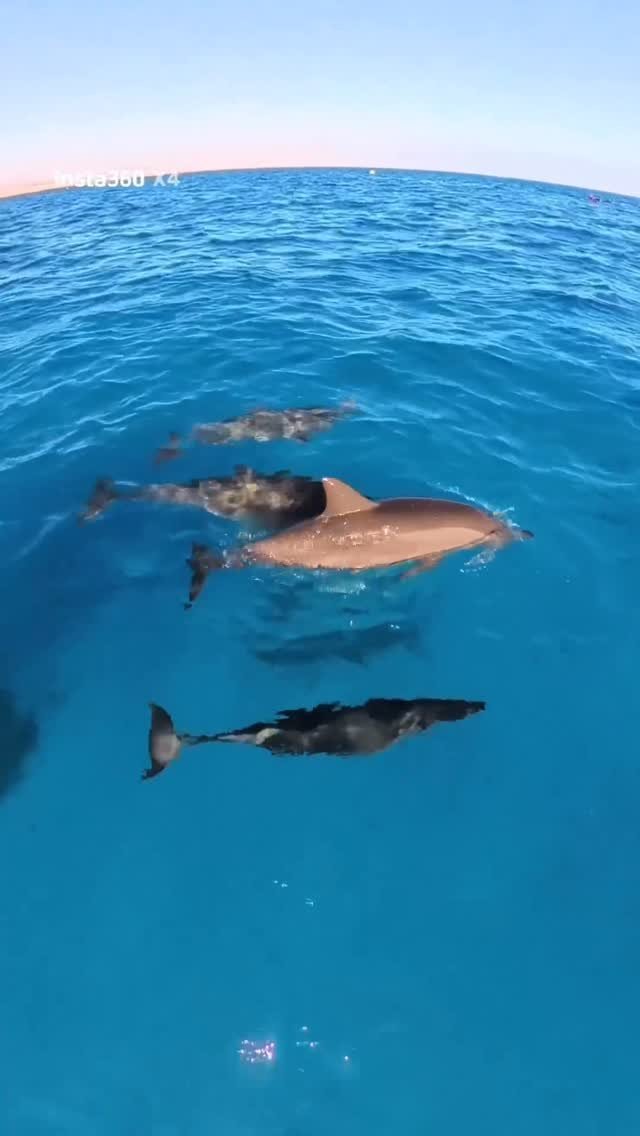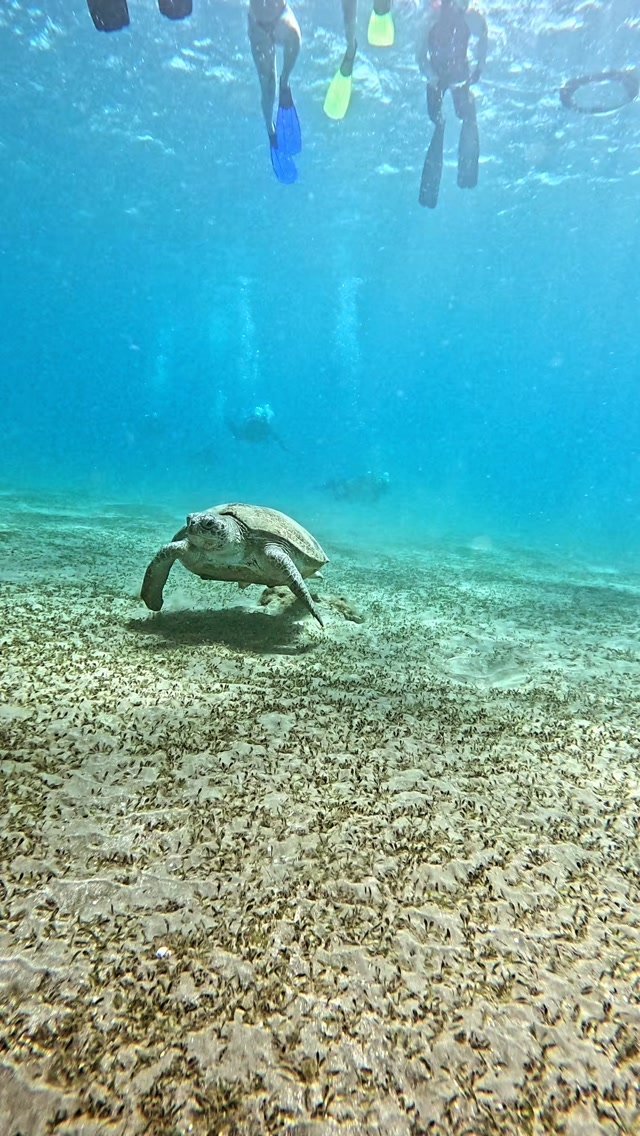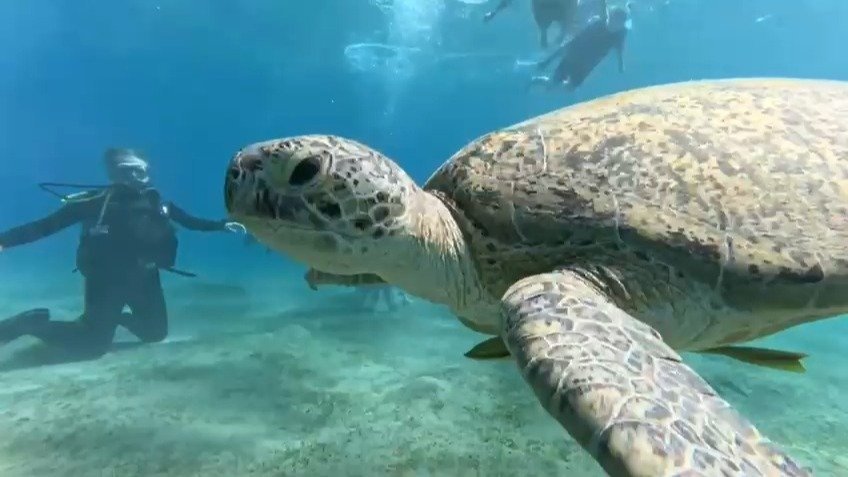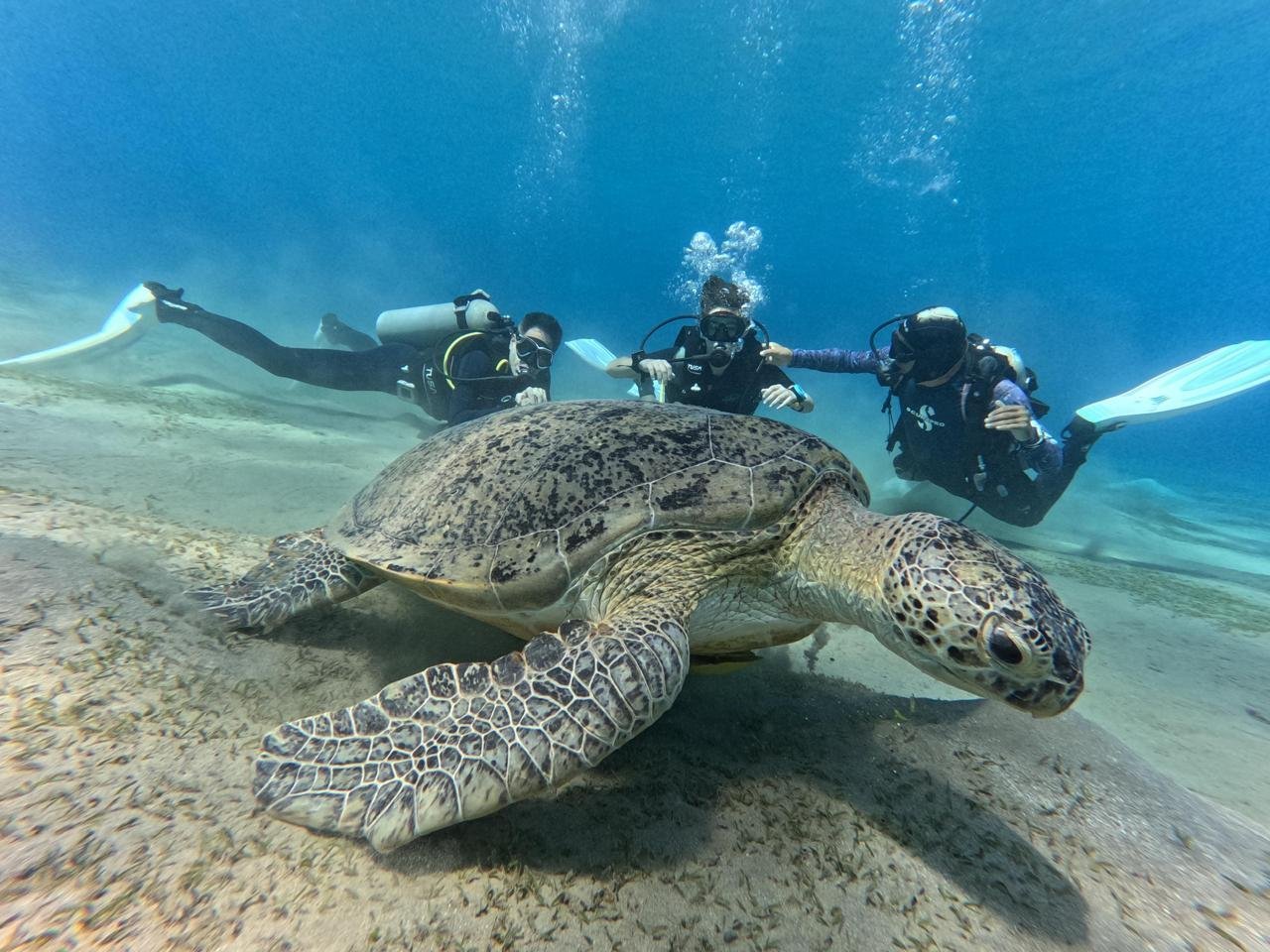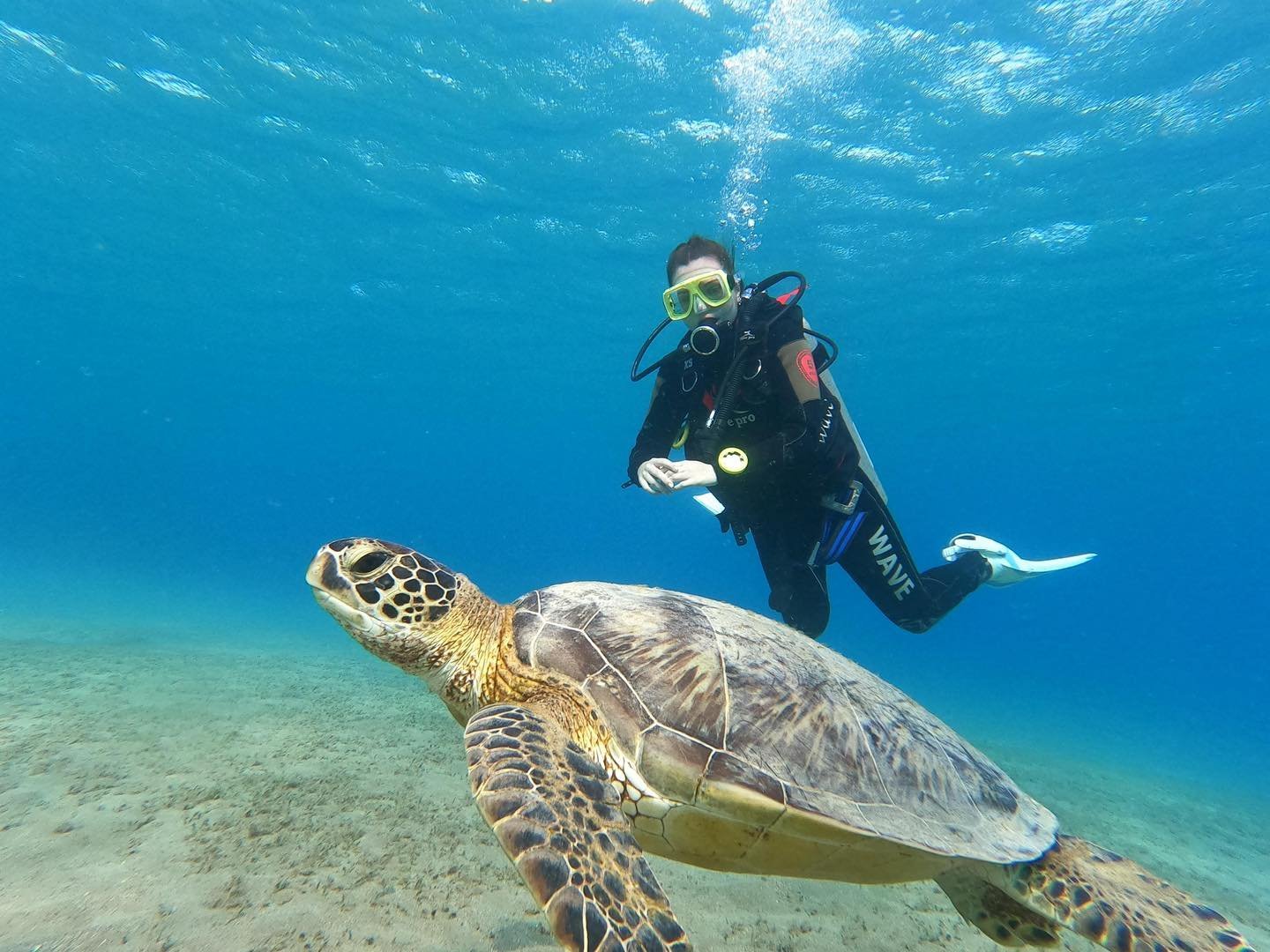
On 12 November 2026 the Egyptian press reported that 25 Italian tourists who are blind or have low vision, travelling with a charity, went under water for the first time on the Marsa Alam coast, accompanied by specialised divers. They chose Marsa Alam for its warm climate, its beaches and reefs with turtles and dolphins. This guide is about the idea behind a day like that: how diving without sight actually works, why a calm stretch of the Red Sea suits a first dive, what the experience is like, and how to ask us about an accessible dive.
Can a blind person scuba dive?
Yes, with the right preparation and the right support. Under water, sight is only one of the senses at work: you feel the temperature change, the slight pull of the current, the texture of the sand and the steady rhythm of your own breathing. Divers who cannot see use all of that, together with a guide who stays beside them the whole time.
How diving without sight works
- A longer briefing on land. The site, the depth, the entry and every step of the dive are described in detail, and the equipment is learned by touch before anyone gets in the water.
- Constant contact. The guide stays in touch with the diver and uses agreed touch signals instead of the visual hand signals other divers use.
- A small group and a slow pace. The descent is gentle, the depth is modest, and the dive follows the reef or the slope so there is always something to follow.
- Description after the dive. What is seen on the reef is told afterwards, because touching corals and marine life is never allowed.
- Health first. The usual fit-to-dive questions apply, and a doctor’s note may be asked for before a dive is confirmed.
Why the Marsa Alam coast suits a first dive
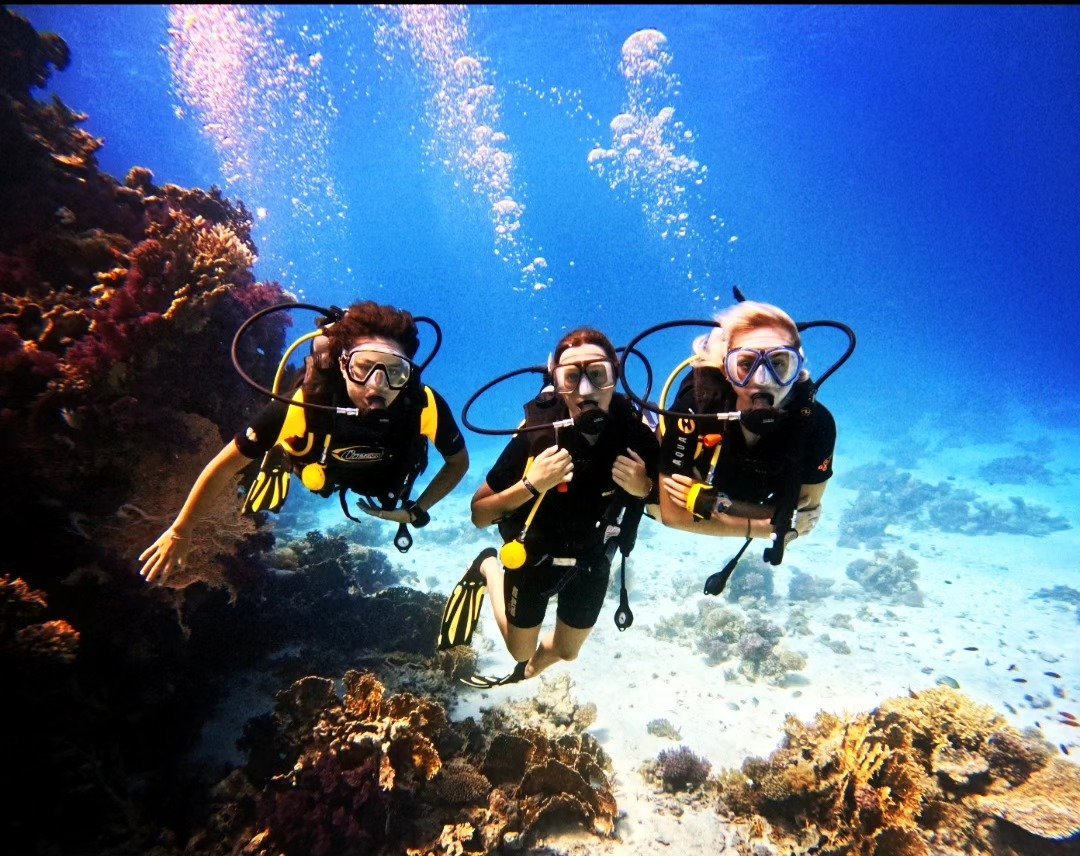
A first dive without sight needs calm water, an easy entry and a gentle slope, and the Marsa Alam coast has sheltered bays that fit. Shore dives from the beach avoid a crowded boat deck, shallow seagrass and reef give the guide room to stay close, and the quieter pace of the south suits a group that wants time. Our Marsa Alam diving guide and our article on Abu Dabbab’s turtles and dugongs describe the bays in more detail.
What a reef sounds and feels like
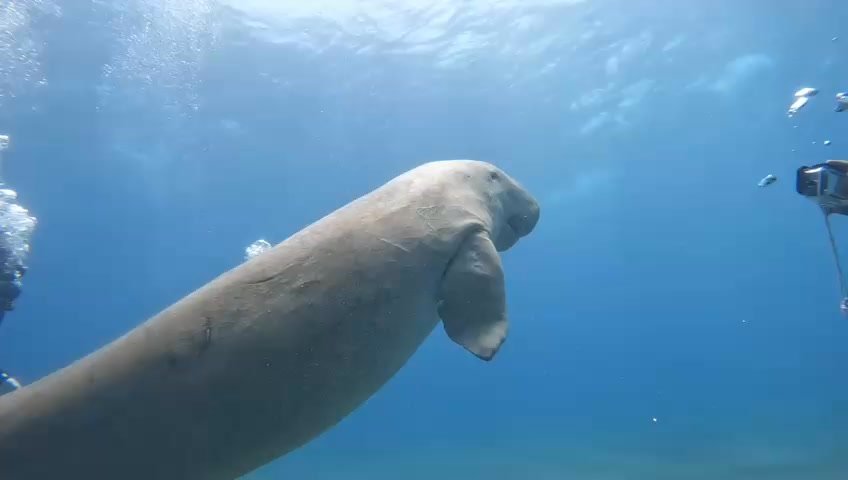
The first thing most divers notice is the hush, broken only by the rhythm of breathing and the soft rush of bubbles. Then come the layers of water that are warmer or cooler against the skin, the gentle pull of a current, the ripples in the sand under a gloved hand or fin, and the guide’s touch that says “this way”. Without sight the dive becomes slower and more attentive, and the story told afterwards, of corals, fish and turtles, completes the picture.
Accessible diving with Egypt X Diving
We plan accessible dives personally rather than selling them off a shelf. On our accessible diving page you send a request, tell us who is coming and what support is needed, and our team agrees the date, the site and the help with you before anything is paid. If you or a member of your group is blind or visually impaired, say so in the request: we will tell you honestly what we can arrange. A doctor’s fit-to-dive note may be requested, and the confirmation comes with a secure payment link only after the plan is agreed.
Quick answers
Does a blind person need to be certified to dive?
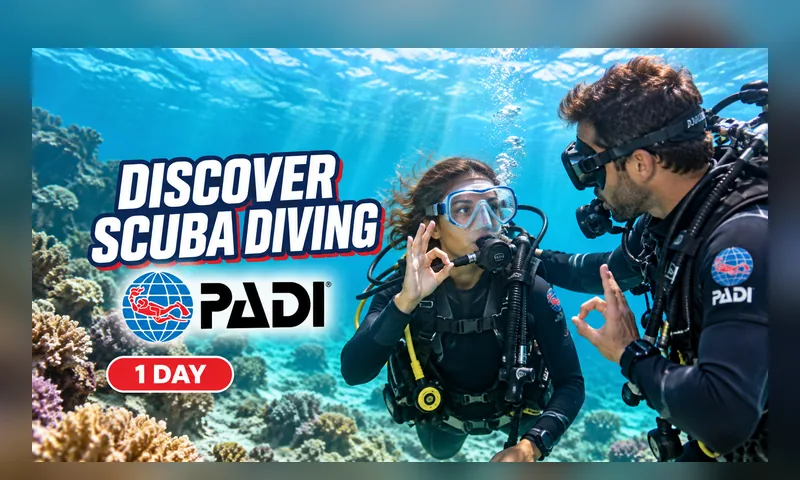
Not for a first try. A Discover Scuba Diving session is an instructor-led experience that needs no certification: the instructor stays with you the whole dive. Those who want to go further can take an entry-level course later, with the same personal planning.
Can a blind diver dive alone?
No. No recreational diver dives alone, and a blind diver is always accompanied by an instructor or guide who stays in constant contact.
The approach described here follows widely used adaptive-diving practice. The exact plan always depends on the guest, the instructor and the site, and nothing in this article replaces a conversation with the team.