Marsa Alam is not one dive site with a town attached. It is roughly 130 kilometres of coast where the reef starts at the beach, the bays hold seagrass instead of sand, and the good stuff is twenty to forty-five minutes away instead of two hours. That geography is the whole reason to come here rather than further north.
Below is every site we run, with the numbers from our own site briefings: depth range, difficulty, and how long the boat takes. Snorkellers are not an afterthought here — half of these are shallow enough to be worth a mask alone.
The bays: turtles, dugongs and seagrass
Marsa Abu Dabbab
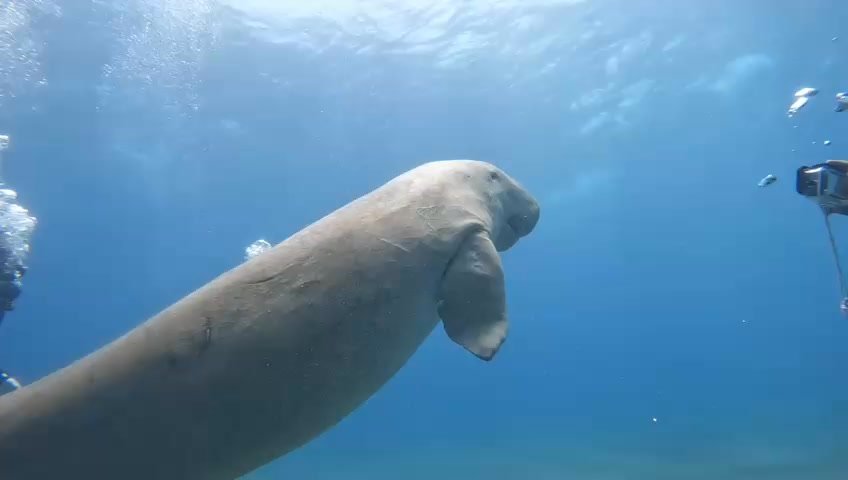
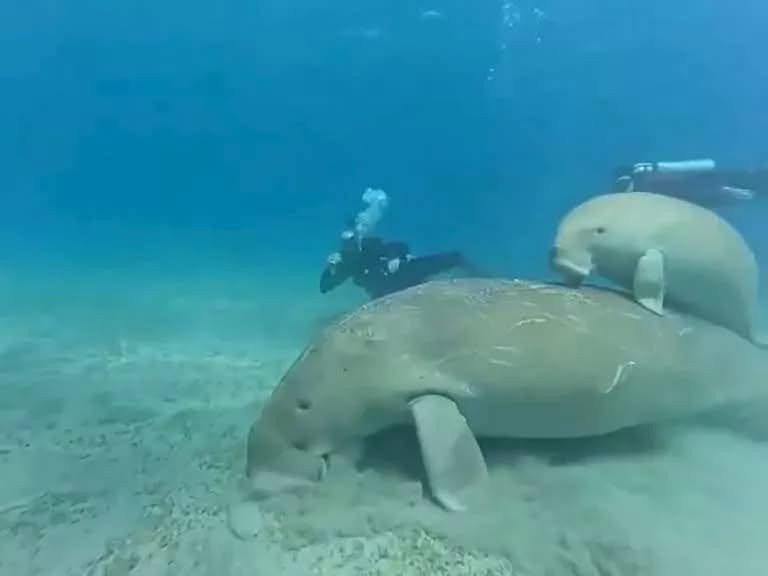
5–18 m · easy · 25 minutes. The famous one, and famous for a reason: a wide seagrass bay grazed by green turtles and, if the day goes your way, a dugong. Guitarfish sit on the sand at the bay mouth. Shallow, sheltered and as good with a snorkel as with a tank — the Abu Dabbab day trip is our most booked shallow day.
Marsa Egla
5–20 m · moderate · 20 minutes. The closest bay to town and a quieter alternative to Abu Dabbab for the same animals: green turtles over seagrass meadows, occasional dugong, rays on the sand, a fringing reef along the edge. Popular with snorkellers who want turtles without a crowd around them.
Marsa Murein
5–22 m · moderate · 25 minutes. Seagrass meadows with green turtles, coral heads and small caves along the sides, and enough macro life to keep a camera busy for a whole dive. Calm in most conditions.
Marsa Assalaia
3–15 m · easy · 20 minutes. The shallowest site we run: patch reefs on seagrass, no depth to speak of, occasional turtles. It is where courses go for confined-water skills and where nervous first-timers stop being nervous.
Halg Shouna
5–20 m · moderate · 30 minutes. Seagrass beds and scattered coral bommies, turtles working across them, and macro life on the bommies themselves. Larger species pass along the outer edge now and then. If you searched for "Marsa Shouna", this is the site.
The coral gardens: easy days, no current to fight
Banana Reef
5–25 m · easy · 30 minutes. A gentle slope of hard and soft coral with anthias over the top of it, blue-spotted rays underneath, moray eels in the cracks and turtles passing through. The site we send divers to on their first day back in the water.
Sha'ab Marsa Alam
5–30 m · moderate · 30 minutes. The house reef of the area: colourful coral gardens in the shallows, walls dropping away where the bigger animals occasionally show up, turtles and schooling reef fish throughout. It is the site most people mean when they search "Marsa Sha'ab", and we run it as a dedicated dive day.
Sha'ab Ghadeer
5–25 m · moderate · 30 minutes. Hard and soft coral over a broken bottom, anthias in clouds, morays, blue-spotted rays and the odd turtle. A reliable second dive after something deeper.
Dream Reef
10–30 m · moderate · 35 minutes. Coral gardens in genuinely good condition, dense reef fish, groupers and snappers holding station, morays everywhere and turtles now and then. Better than its slightly generic name suggests.
Abu Siyal
8–25 m · moderate · 35 minutes. Table corals and fire coral on scattered blocks, with reef fish, groupers and morays working between them. Good visibility, easy navigation, no current on most days.
The offshore reefs: current, blue water, big animals
Elphinstone Reef
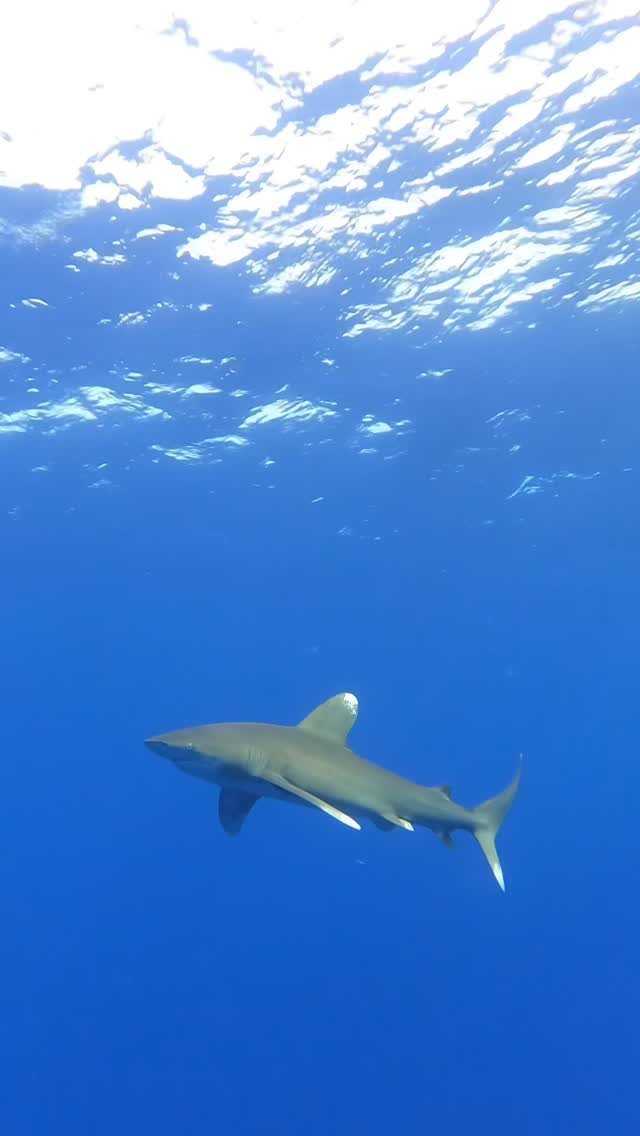
10–70 m · hard · 45 minutes. The reason serious divers book Marsa Alam. A 300-metre reef standing alone in open water, with plateaus at both ends and walls that fall away into the blue. Oceanic whitetips patrol it from October to December, hammerheads pass seasonally, and barracuda, tuna, napoleon wrasse and giant trevally are on the menu year round. Current is normal, not exceptional — it is an advanced dive and should be treated as one.
Habili Nakari
10–35 m · hard · 40 minutes. A submerged pinnacle rather than a reef you can see from the boat: barracuda and trevally circling, reef sharks occasionally, glassfish clouds packed into the overhangs. Current-swept, and worth it.
Habili Ghadeer
10–35 m · hard · 40 minutes. The sister pinnacle: gorgonian sea fans on the deeper faces, tuna and giant trevally hunting past, soft corals and anthias covering the top. Both habilis reward divers with good air consumption and honest buoyancy.
Dolphins and a wreck
Marsa Samadai — Dolphin House
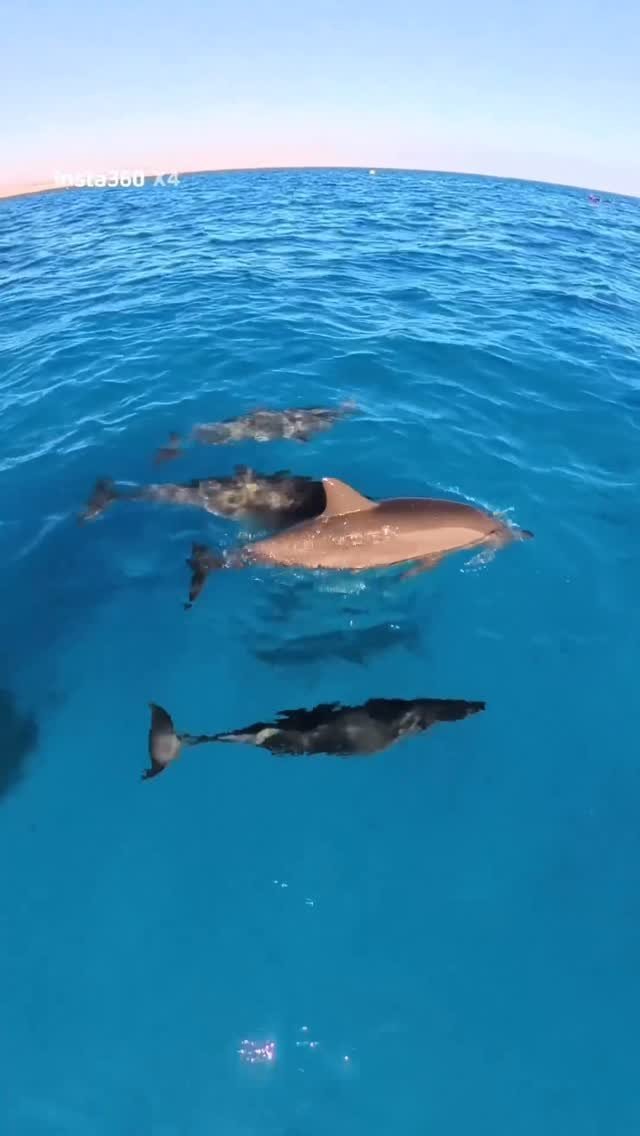
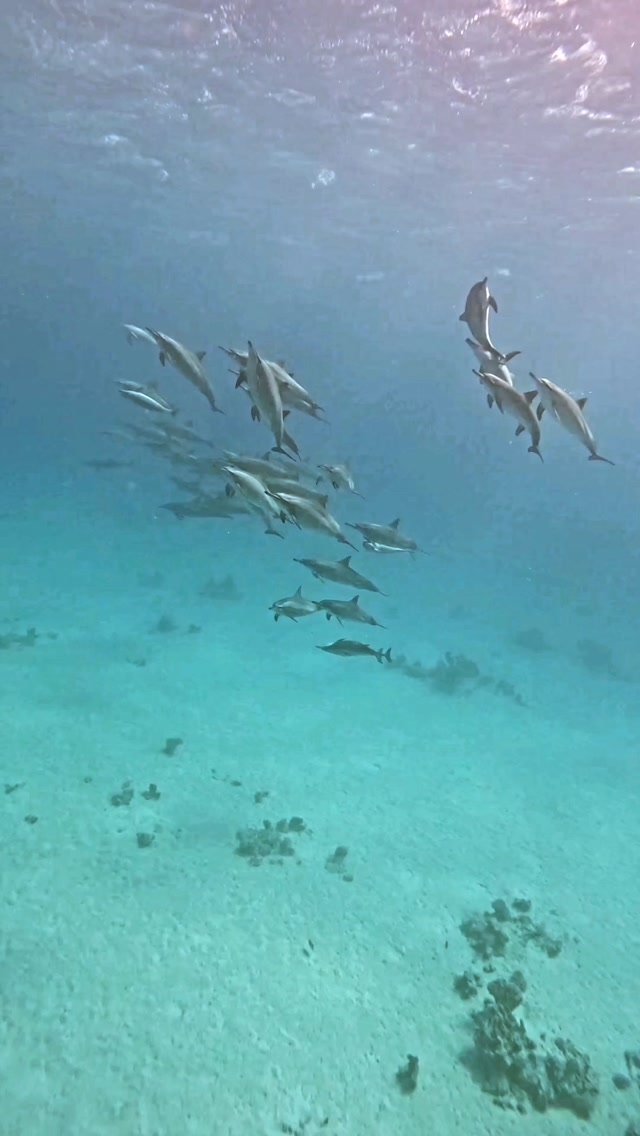
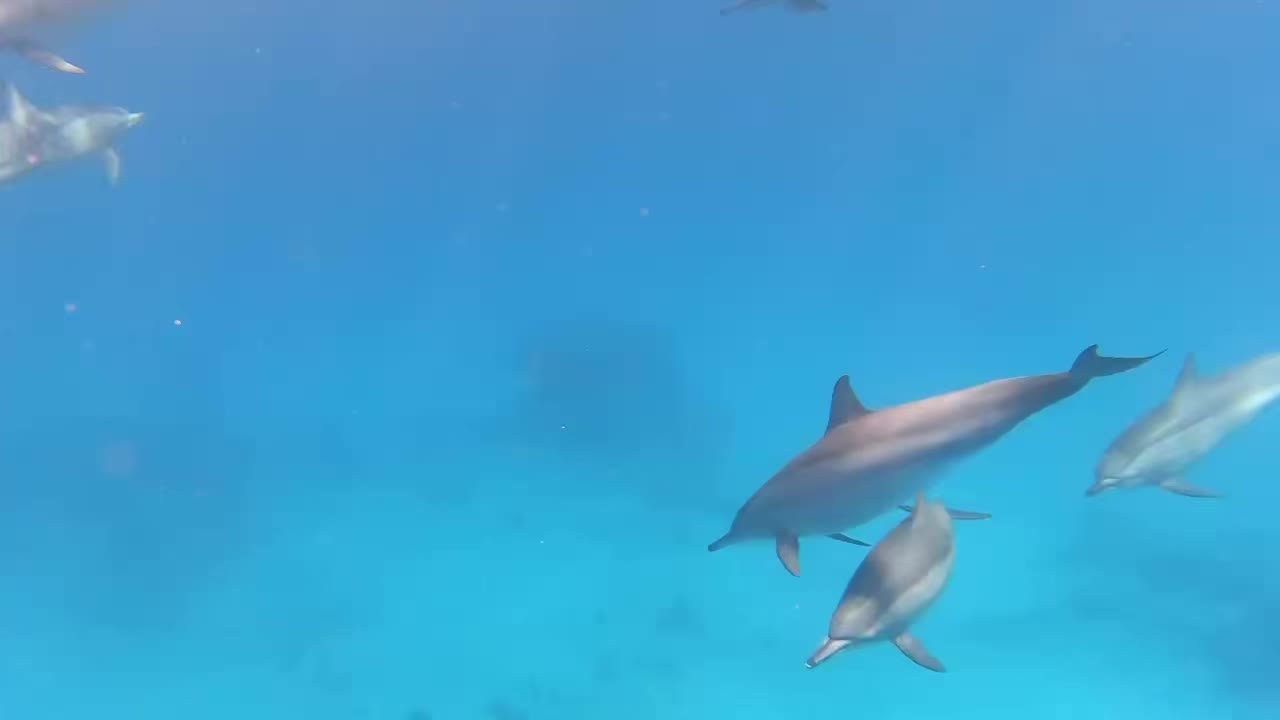
5–20 m · easy · 40 minutes. A horseshoe reef enclosing a lagoon with a resident pod of spinner dolphins. Access is regulated by zone to protect the pod's resting area, which is exactly why they are still there — the boat stays out of the sanctuary zone and you snorkel the permitted one. Coral pinnacles, dense reef fish and morays make it a good site even on the days the dolphins have other plans. Dolphin House snorkelling trip.
Abu Ghusun — the Hamada wreck
5–18 m · easy · 60 minutes. A 65-metre cargo ship that went down in 1993 and now lies shallow enough that snorkellers see the hull from the surface and divers can spend a whole tank on it. Glassfish fill the holds, hard and soft coral has taken the plating, lionfish hunt the edges. The friendliest wreck in Egypt to dive — no penetration needed to enjoy it, no depth to worry about. Abu Ghusun and Hamada wreck trip.
Which Marsa Alam dive site is best for beginners?
Marsa Assalaia (3–15 m) and Banana Reef (5–25 m) if you have just certified, then Abu Dabbab and Marsa Egla for the animals. All four are shallow, sheltered, and close enough that a rough morning does not end the day. Leave Elphinstone and the two habilis until you are comfortable at 30 metres in current — that is not gatekeeping, it is the difference between a great dive and an expensive one you spend watching your gauge.
Where can you see turtles and dugongs?
Turtles are close to a certainty in the seagrass bays — Abu Dabbab, Marsa Egla, Marsa Murein and Halg Shouna — because the seagrass is what they eat. Dugongs are a different matter: they are wild, solitary and free to be somewhere else. Abu Dabbab has the best odds on this coast, Marsa Egla is second, and no honest operator will promise one. Go early, keep your distance, and do not chase; a dugong that is crowded leaves the bay for the day and everybody after you loses.
Do you need a boat, or can you dive from shore?
Several of these are bay dives entered from the beach, which is why Marsa Alam suits divers who like unhurried mornings. The offshore reefs — Elphinstone, both habilis, Samadai and Abu Ghusun — are boat dives, between 25 and 60 minutes out. Our multi-day packages mix the two, and the guide decides each morning based on the wind rather than a printed schedule.
When to come, and what a day costs
The reefs are diveable year round; water sits between 22 °C in February and 30 °C in August. October to December is the Elphinstone window for oceanic whitetips. The month-by-month picture is in the best time to dive the Red Sea.
Prices, per person: a Marsa Alam dive package starts at €41 for a half day and one dive, €80 for two dives in a day, and €322 for ten dives across five days — around €32 a dive, which is the cheapest honest way to work through this list. Snorkelling days run from €59 (Abu Dabbab) to €66 (Dolphin House).
Pick a site, then pick a day
Read the full briefing for any of these — depth profile, current, difficulty and the species list — on our dive site pages, then book the day that visits it from the Marsa Alam catalogue. Free cancellation up to 48 hours before, payment online or in cash on the day, and a guide who has dived the site that week rather than that season.
If you are still deciding between bases, we compared them properly in Hurghada vs Marsa Alam.