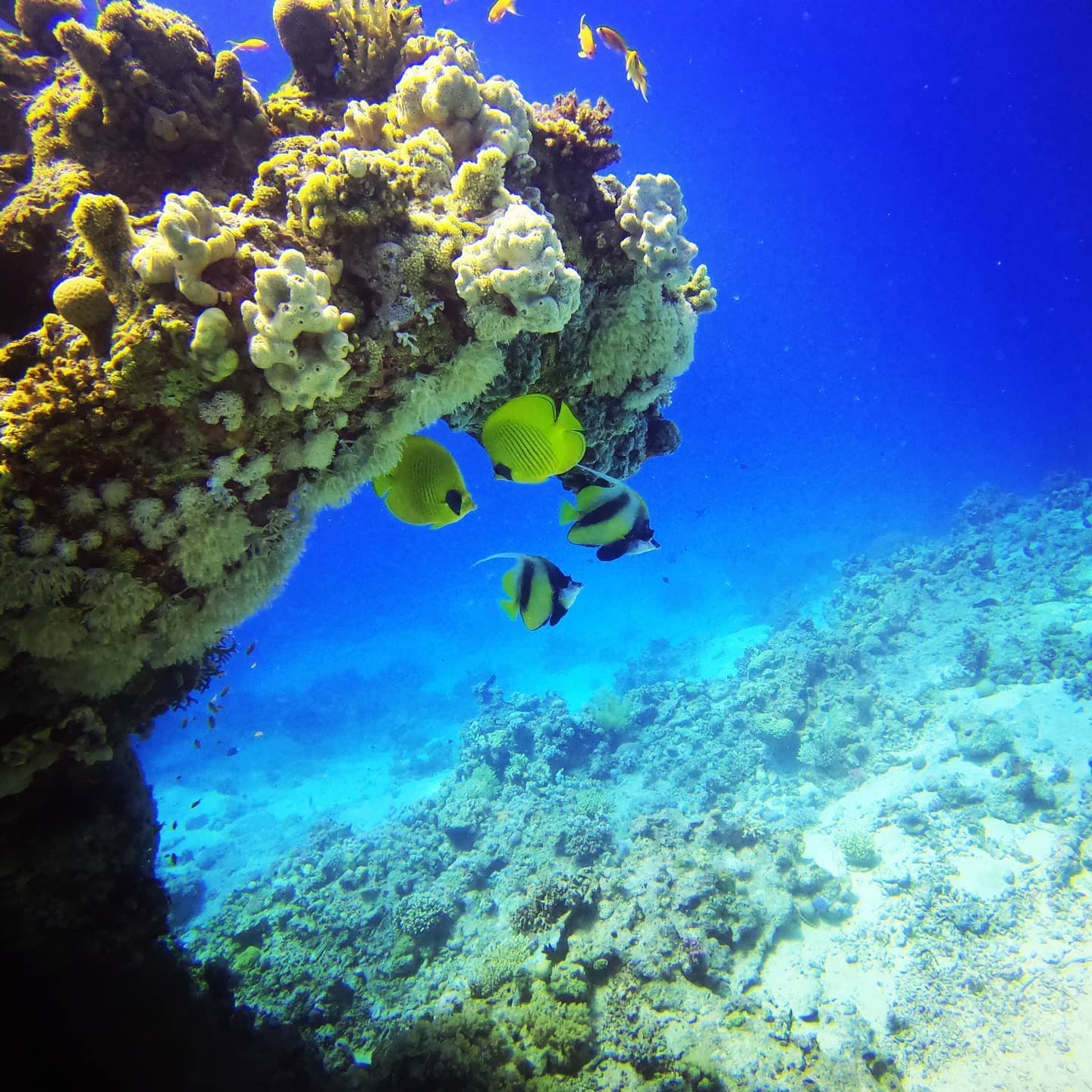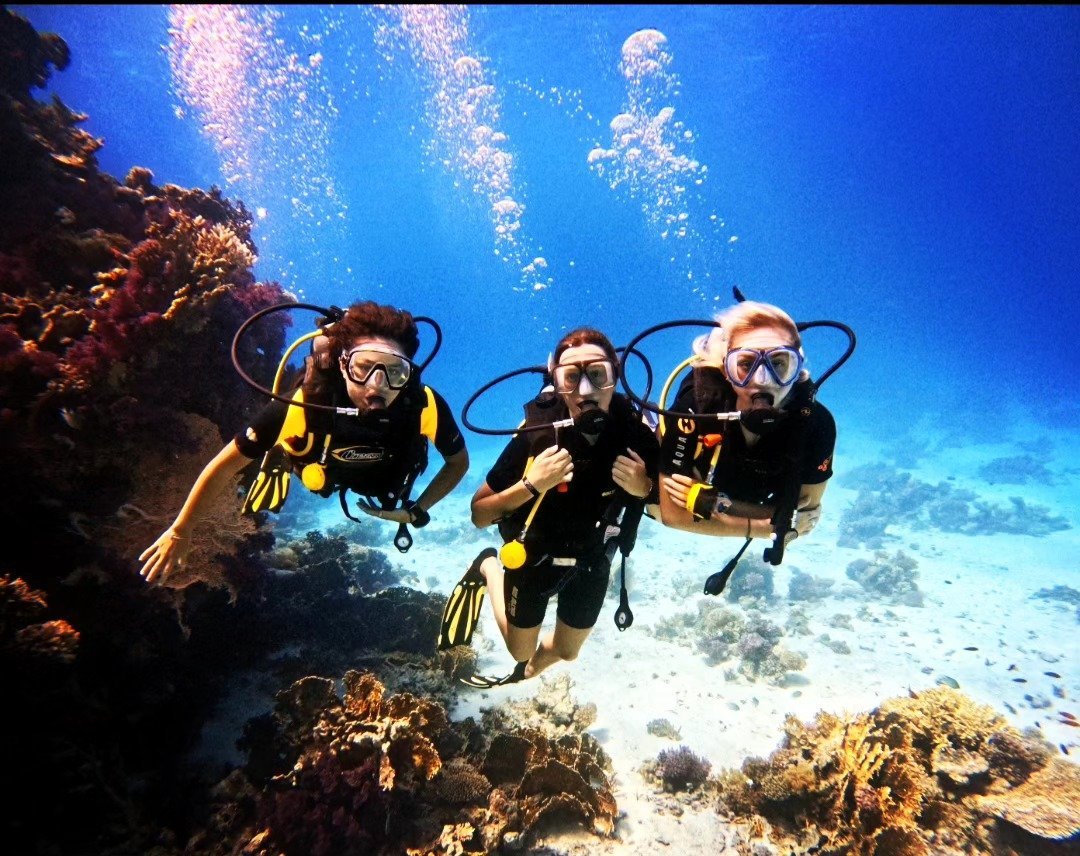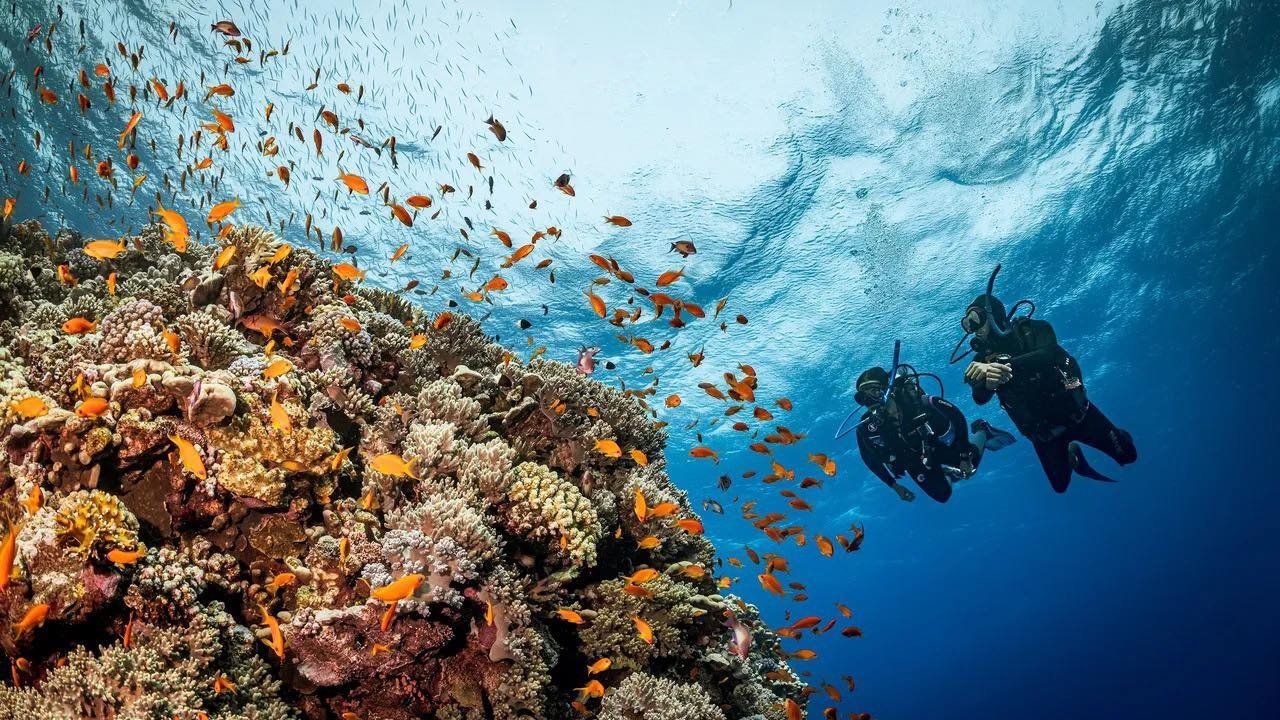
Hurghada has dozens of dive sites, and the names blur together until you know where each one sits. This guide groups them by area, the way a boat captain thinks about the day, with the depth range and difficulty rating for each from our dive-site guides.
How are Hurghada’s dive sites spread out?
Most day-boat diving happens on offshore reefs south and east of the city: the close reefs around Fanous and El Fanadir, the Giftun islands, and the Abu Ramada group. North of Hurghada are the Umm Gamaar reefs, and far beyond them the big wrecks. In the south sit Ras Disha and Abu Hashish, with Safaga further on. Your guide chooses each day from the wind and current, and the boat journey can vary a lot between sites.
How do the difficulty ratings work?
Every site in our guides is rated easy, moderate or hard. Easy sites are calm and shallow enough for newly certified divers. Moderate sites add some depth or current. Hard sites combine depth, current or an exposed position, and are best with Advanced Open Water and some experience. The depths below are ranges, and your guide plans each dive to your certification level.
The Giftun islands group
- Giftun Islands: easy, 0 to 30 m. Shallow coral gardens, also good for snorkelling.
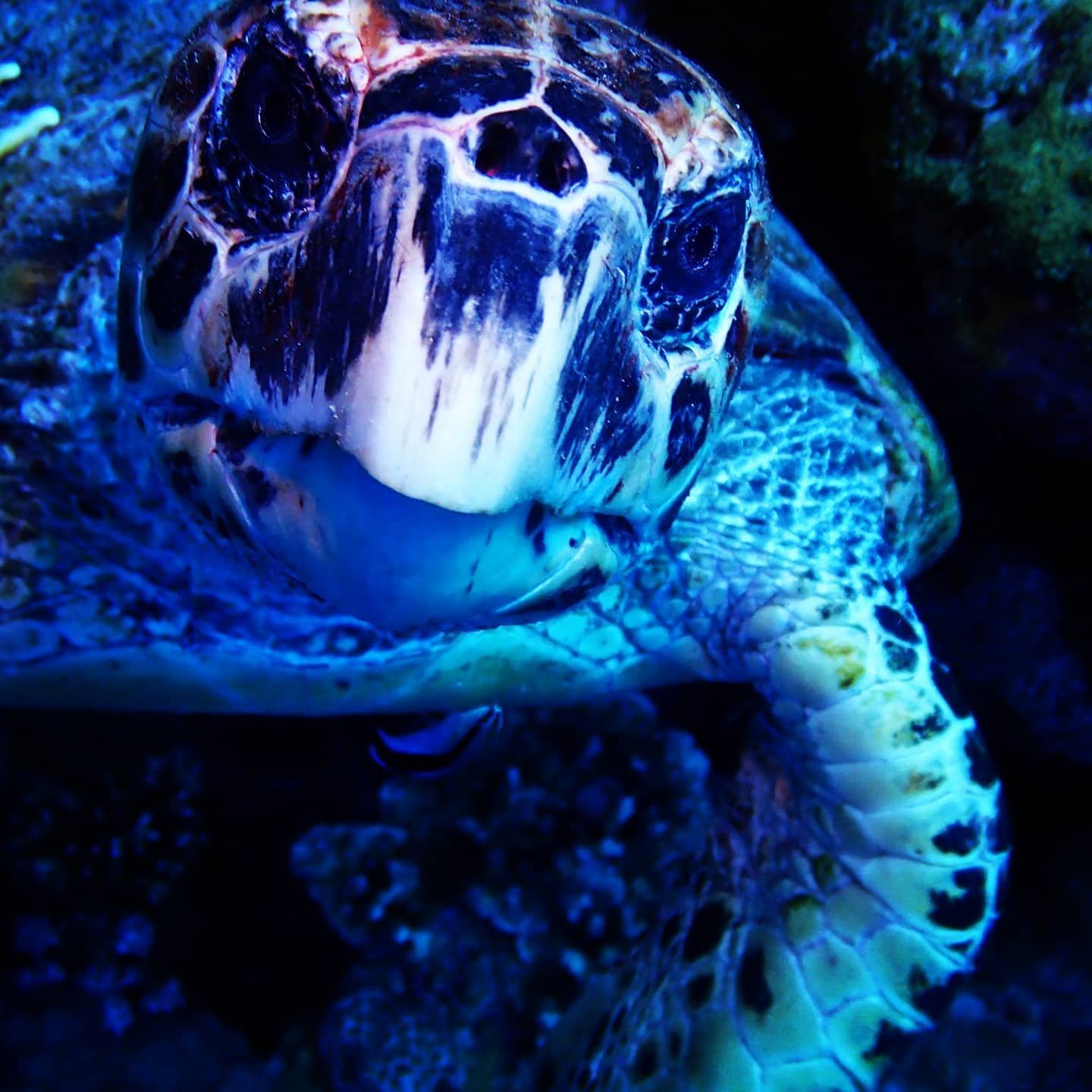
- Banana Reef: easy, 14 to 22 m. An anemone city of clownfish, with turtles and eagle rays passing.
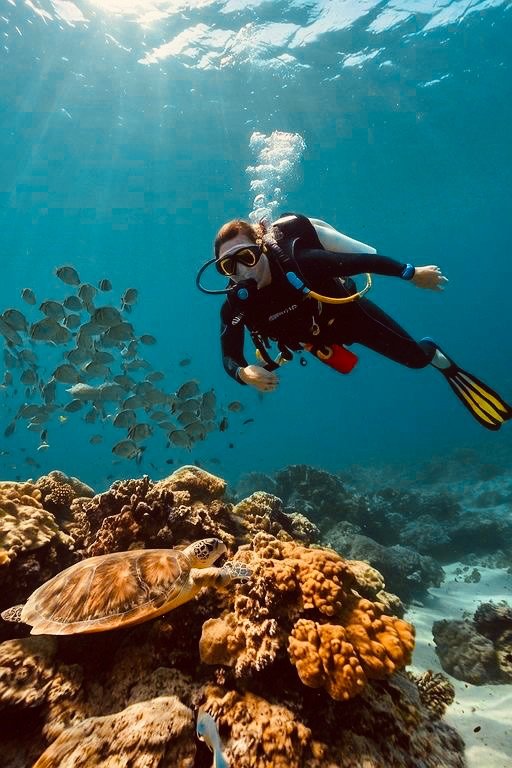
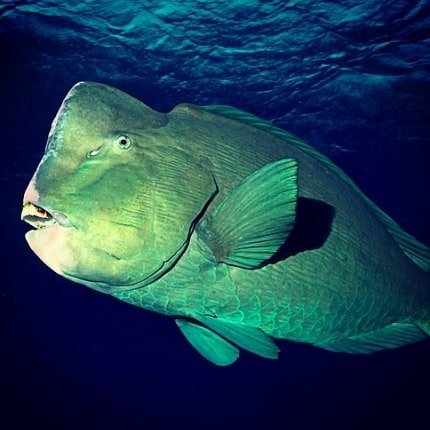
- Erg Sabina: easy, 10 to 12 m. Gentle diving with turtles and Napoleon wrasse.
- Turft El Shahed: easy, 8 to 20 m. A place to watch for eagle rays.
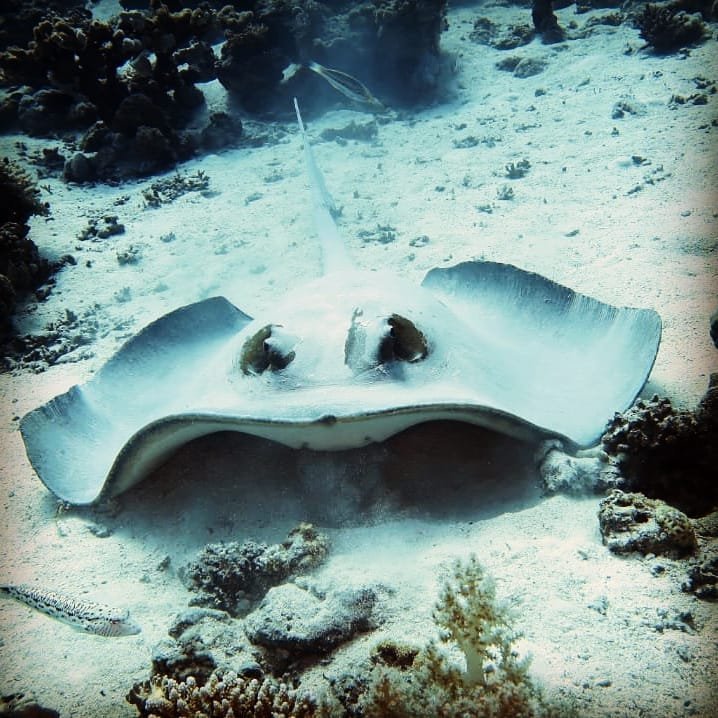
- Small Giftun: hard, 18 to 30 m. Turtles, Napoleon wrasse and stingrays for experienced divers.
The Abu Ramada group
- Gota Abu Ramada (The Aquarium): easy, 0 to 40 m. Fish at every depth.
- South Abu Ramada: easy, 5 to 35 m. Napoleon wrasse cruise past.
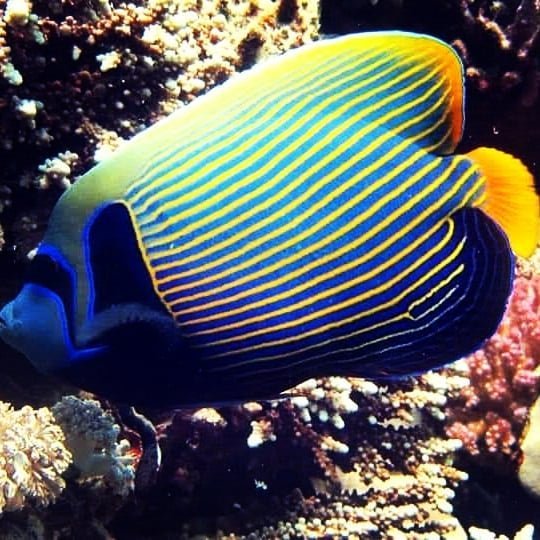
- Erg Abu Ramada (Camel Reef): hard, 10 to 60 m. Napoleon wrasse and emperor angelfish.
- North Abu Ramada: hard, 20 to 100 m. A drop-off where eagle rays patrol.
Umm Gamaar and the north-central reefs
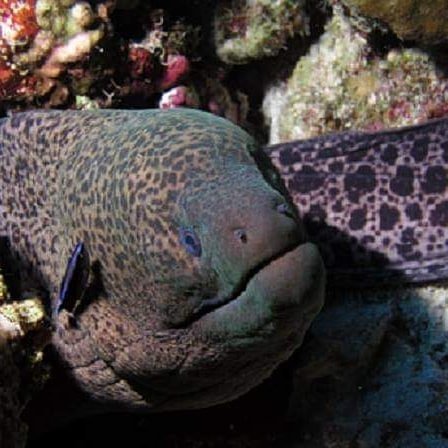
- Umm Gamaar: moderate, 0 to 20 m. A reef with resident moray eels.
- North Umm Gamaar: moderate, 0 to 40 m. The deeper northern end of the same reef system.
- Carless Reef: hard, 12 to 25 m. Coral gardens, anemonefish and morays, with the occasional shark in season.
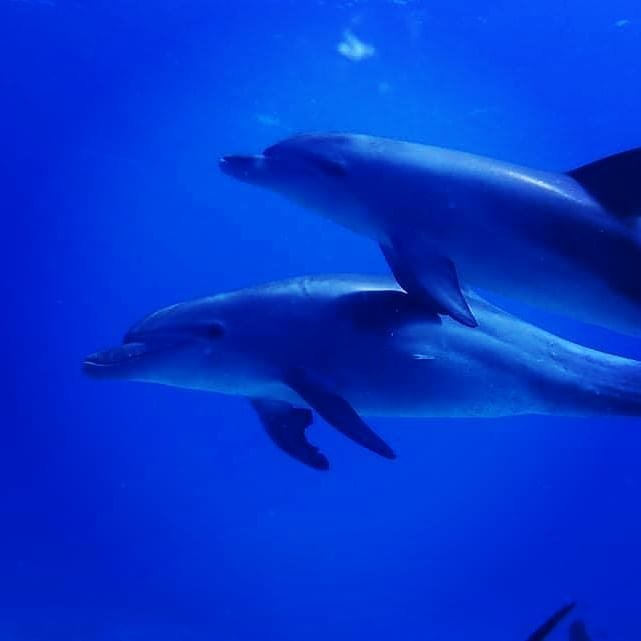
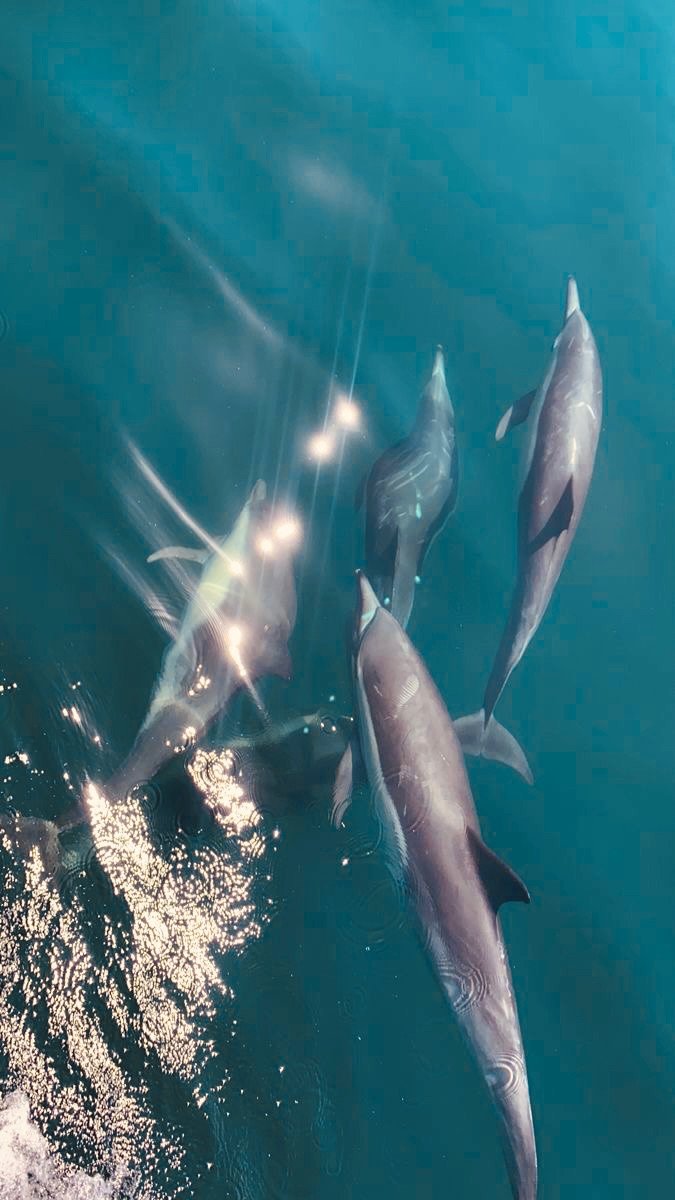
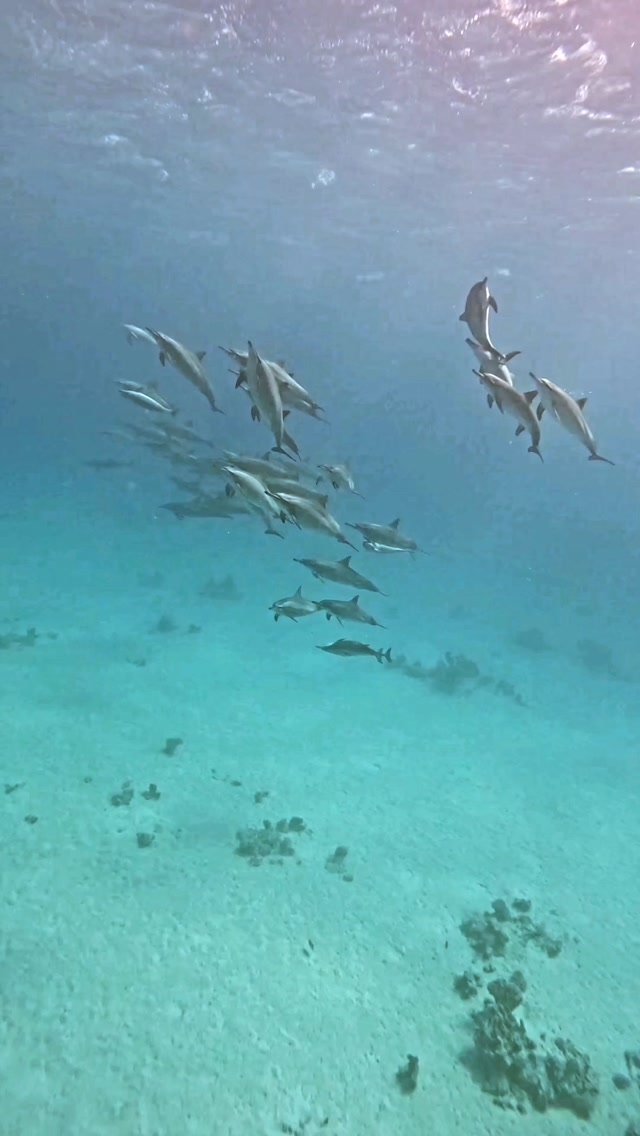
- Dolphin House: easy, 3 to 18 m. A horseshoe reef and lagoon with wild dolphins, mainly for snorkellers.
Fanous, El Fanadir and the close reefs
- Fanous West: easy, 0 to 14 m. Shallow, with moray eels. A good first dive of the week.
- Fanous East: easy, 8 to 27 m. Lionfish and blue-spotted rays.
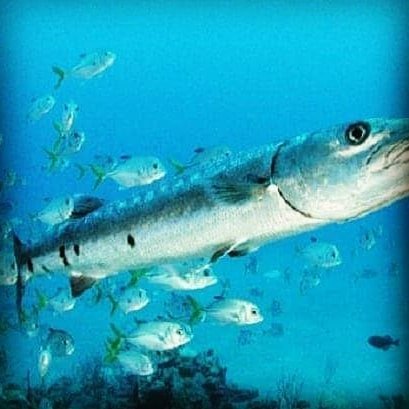
- El Fanadir: easy, 0 to 25 m. Anemonefish, barracuda schools and, with luck, an octopus.
The south and the wrecks
- Ras Disha: moderate, 9 to 18 m. Known for turtles and blue-spotted rays.
- Abu Hashish: easy, 6 to 60 m. A relaxed southern reef.
- El Minya wreck: hard, 17 to 32 m. A close wreck for experienced divers.
- Abu Nuhas wrecks: hard, 4 to 27 m. Several wrecks on one reef, on a longer trip.
- Thistlegorm wreck: hard, 16 to 32 m. The famous cargo wreck, far to the north, on a long trip or liveaboard.
Which Hurghada dive sites suit beginners?
Stick to the easy sites: Fanous West, El Fanadir, Giftun Islands, Banana Reef, Erg Sabina and Gota Abu Ramada are all calm, rated easy and full of life. If you have never dived at all, start with a Discover Scuba Diving day, or follow the beginner diving path.
Where is the interactive map?
Our dive-site page shows the sites on a map, so you can see where each reef sits and open its full guide. To see how a week of these sites fits together, read our 5-day Hurghada dive itinerary, or compare the guides to the best dive sites in Hurghada and Hurghada dive sites part 2.