Every diver has a wish list for the Red Sea: sharks, turtles, dolphins, perhaps a whale shark. Some of those are gifts; others are simply there on almost every dive. This guide sorts ten well-loved animals from the ones you can count on to the ones that need luck, using the species our own dive-site guides record around Hurghada and Marsa Alam.
Which Red Sea animals can you really expect to see?
Wildlife is never guaranteed, so treat the order below as a guide to likelihood, not a promise. The first six are resident on the reef and turn up regularly on a normal dive day; the last four depend on the season, the site and plenty of luck.
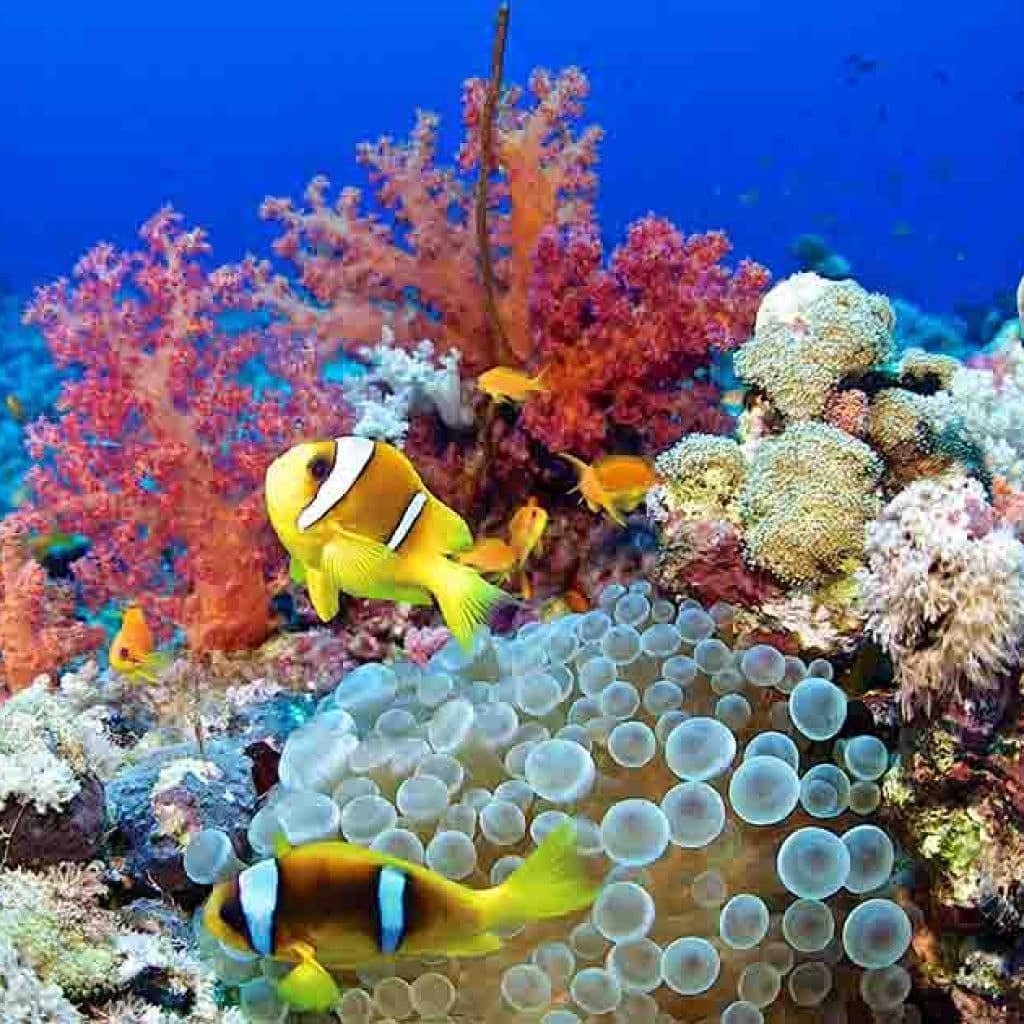
1. Anemonefish (clownfish)
The most reliable sighting in the sea. Anemonefish live inside stinging anemones that would harm other fish, and they defend their home fiercely. Every group is ruled by one large female, and if she dies the biggest male takes over. Look for them at El Fanadir, Carless Reef and Banana Reef.
2. Lionfish
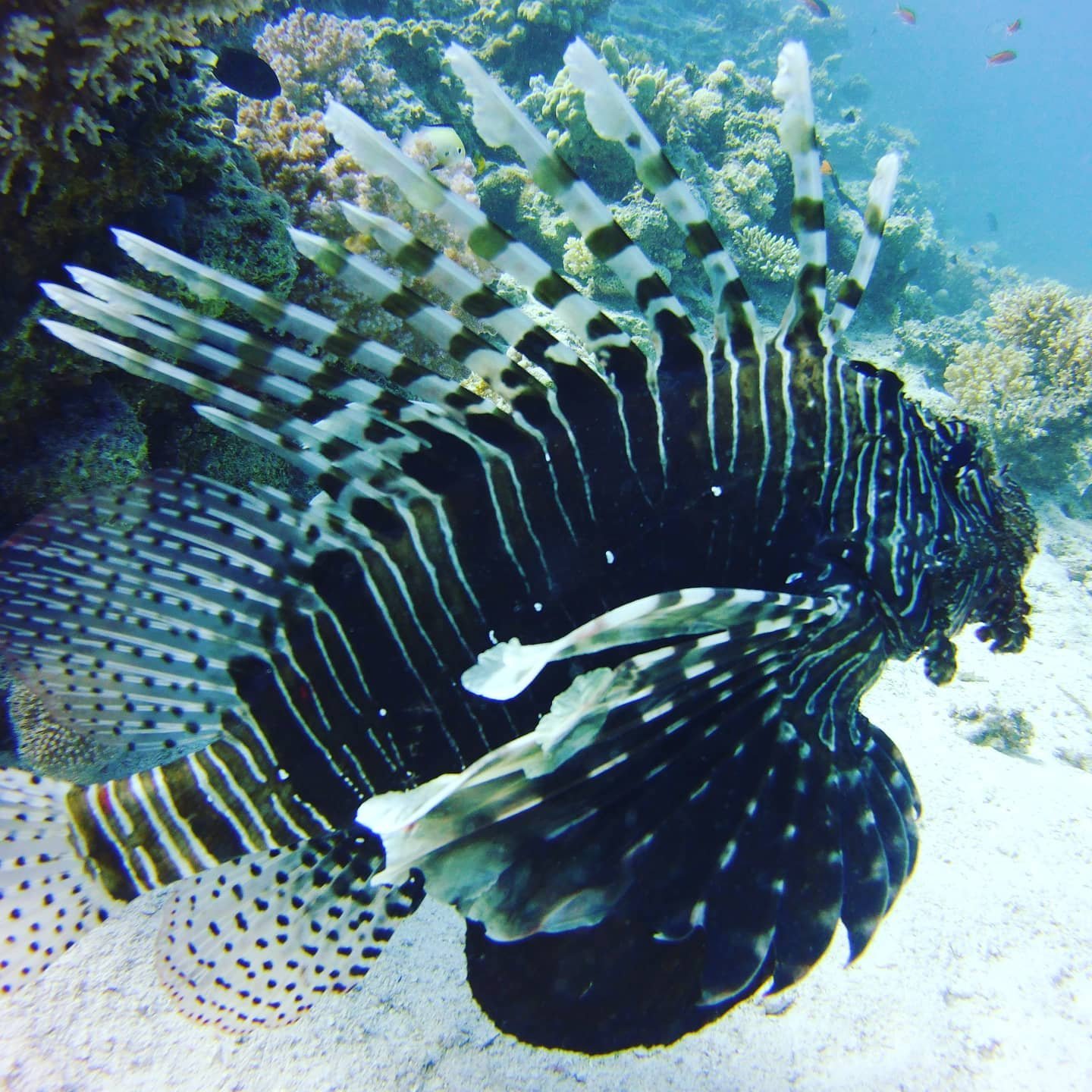
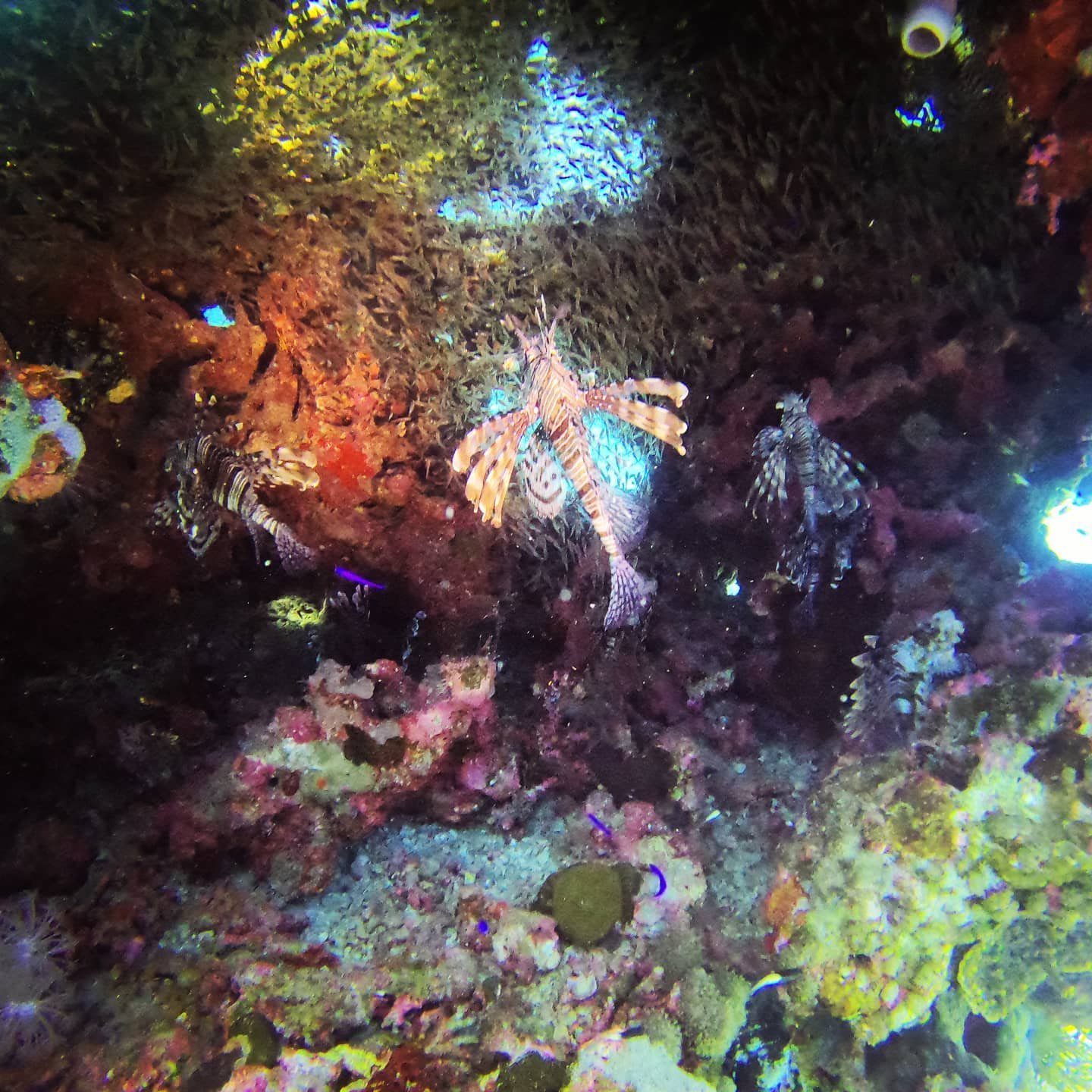
Lionfish drift along the reef with their fan-like fins spread wide, often hunting small fish at dusk or in the shade of a wreck. Their spines are venomous, so look but never touch. They are common at Fanous East and around the wrecks of Abu Nuhas.
3. Moray eels
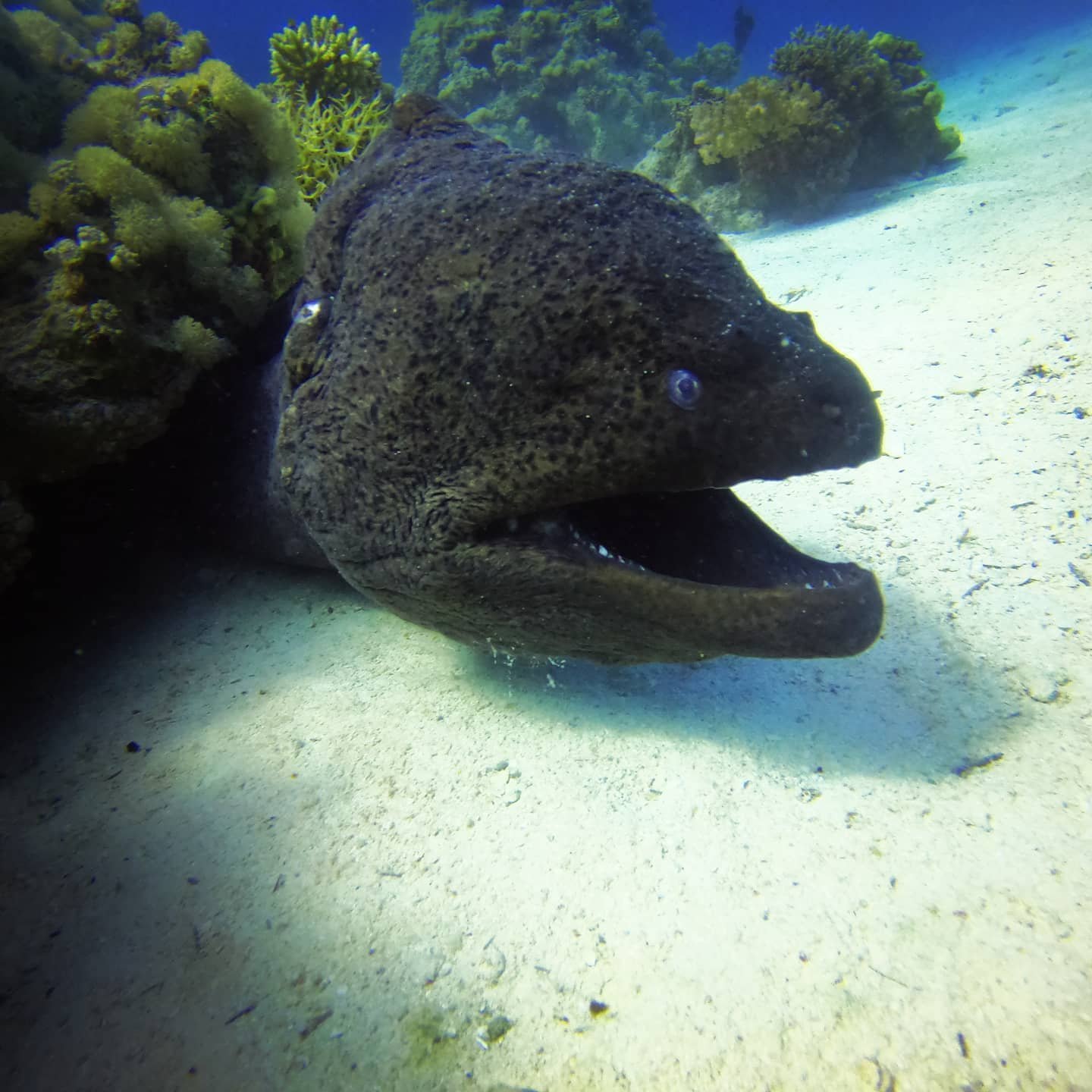
A moray with its mouth slowly opening and closing looks menacing, but it is simply breathing. Morays rest in crevices by day and hunt at night, so scan the holes in the reef and the shadows of wrecks. Good places to find them include Umm Gamaar, Carless Reef and the Thistlegorm wreck.
4. Blue-spotted ribbontail ray
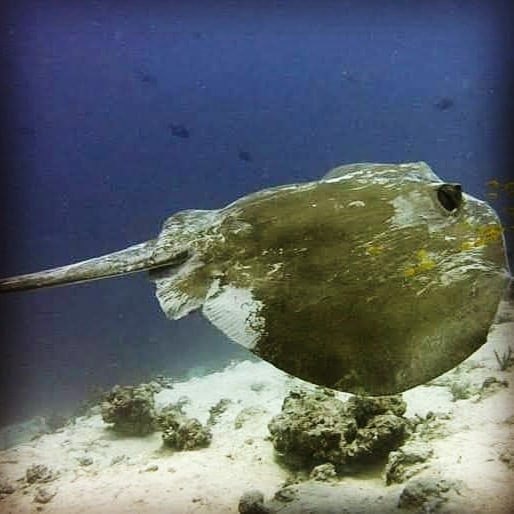
Bright blue spots on a sandy-coloured body make this ray easy to recognise. It rests on the sand beside coral heads and, if approached too fast, shoots away in a cloud of sediment. Keep your distance and it will often let you watch. Try Small Giftun, El Fanadir and Ras Disha.
5. Green and hawksbill turtles
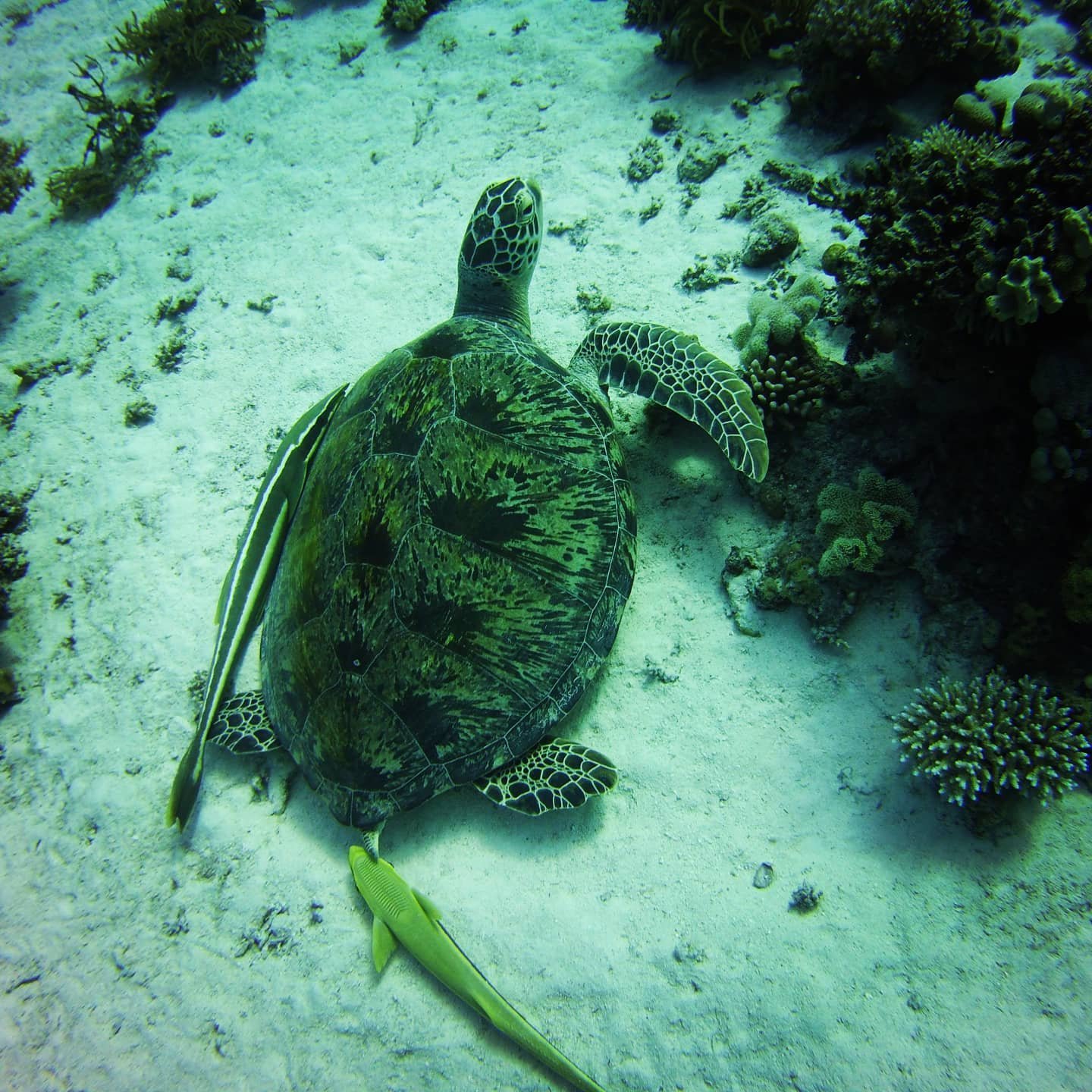
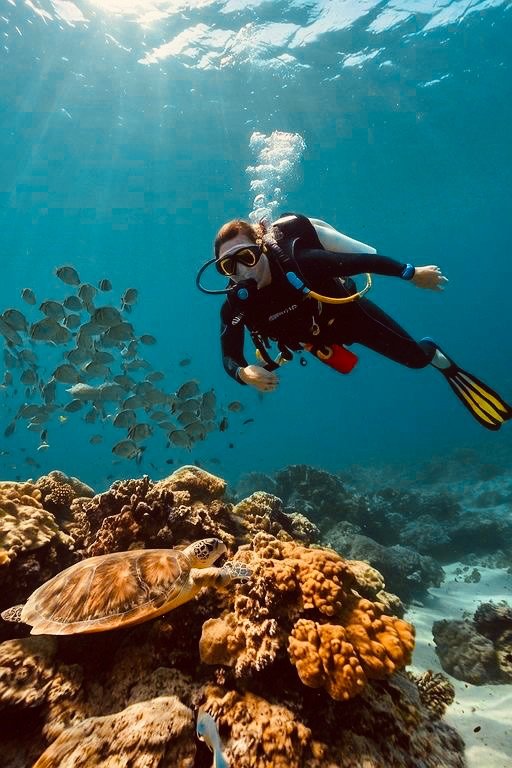
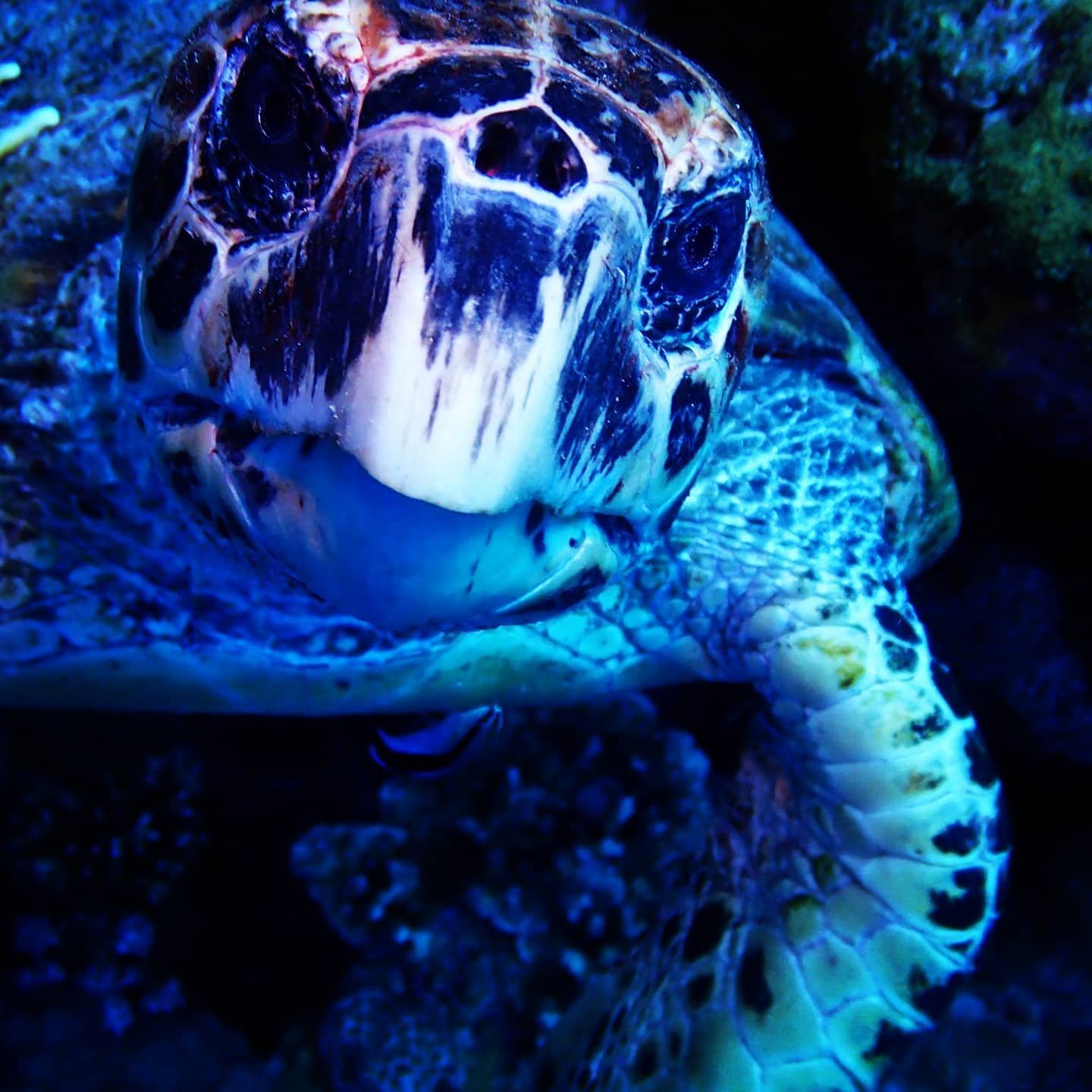
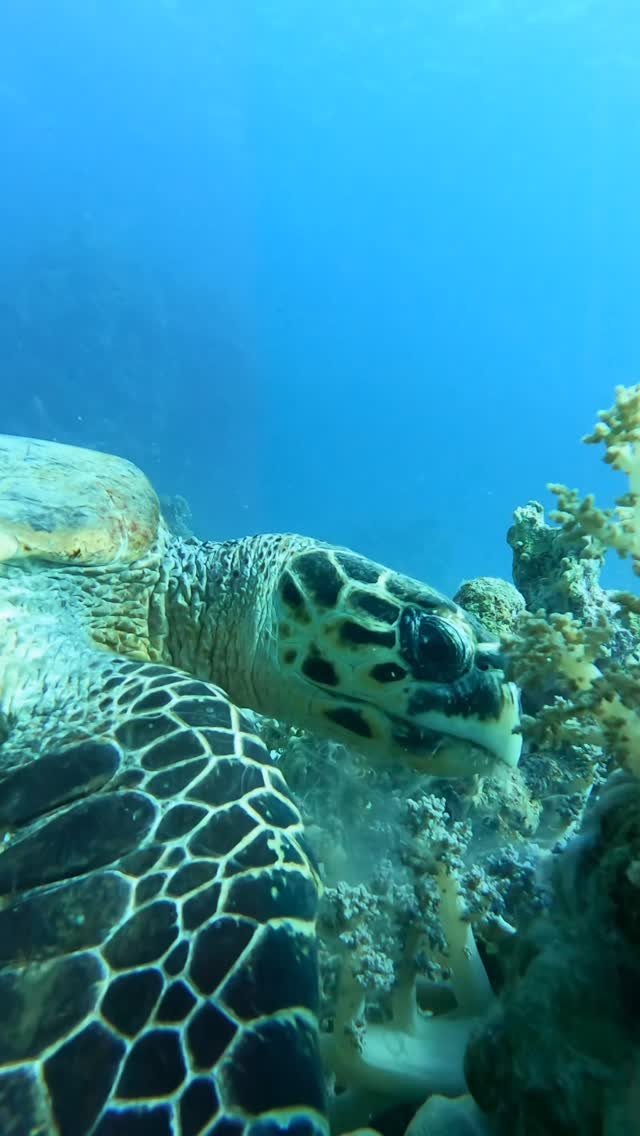
Turtles are among the most rewarding sightings in Egypt. Green turtles graze seagrass in the shallow bays, while hawksbills pick sponges from the reef. They come up to breathe every so often, which is the moment to hold your position and let them pass. Head for Abu Dabbab, Marsa Murein or Ras Disha.
6. Napoleon wrasse
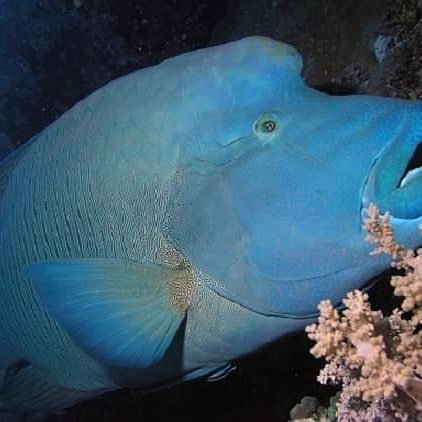
The gentle giant of the reef. Adults can grow to well over a metre and a half, and the older males develop a bulge on the forehead. Napoleon wrasse are endangered worldwide, which makes every encounter special. They are seen at Erg Abu Ramada, Small Giftun and Elphinstone.
7. Spotted eagle ray
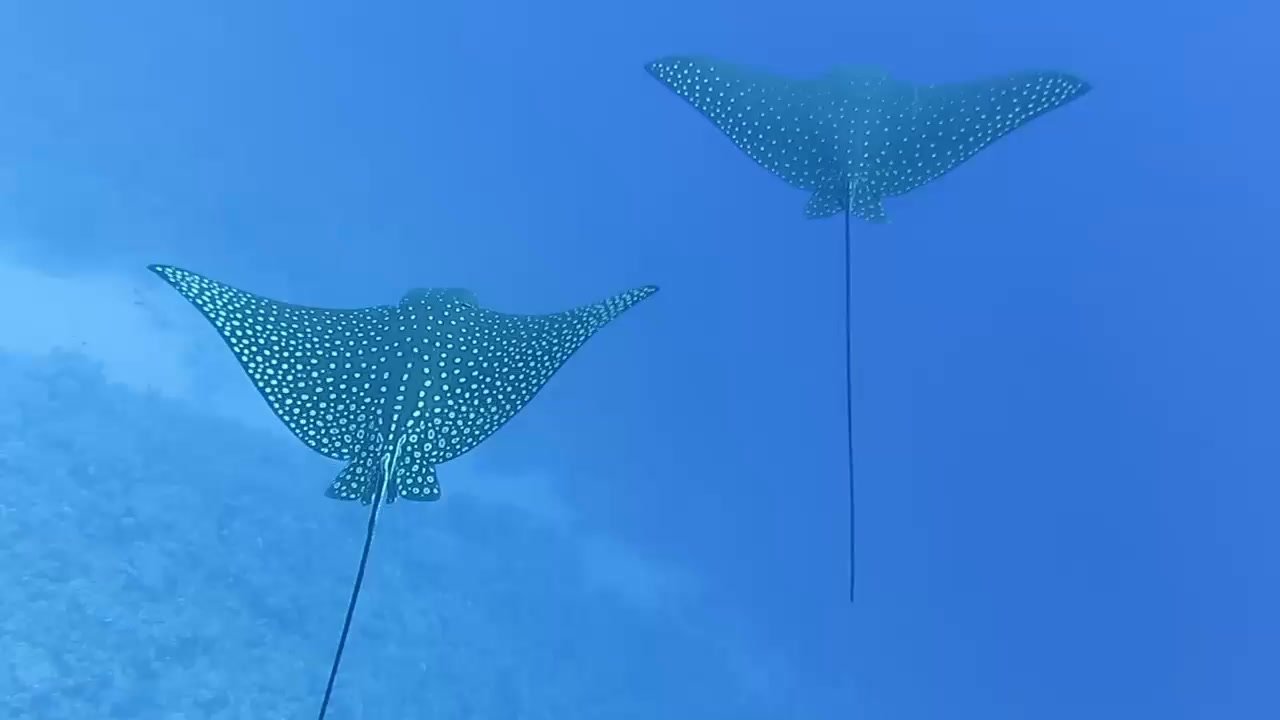
Eagle rays fly through open water with slow beats of their wings, sometimes in pairs or small groups. You will not find them on every dive, but the reef edges and offshore pinnacles give the best odds. Look out for them at Elphinstone, North Abu Ramada and Banana Reef.
8. Spinner dolphins
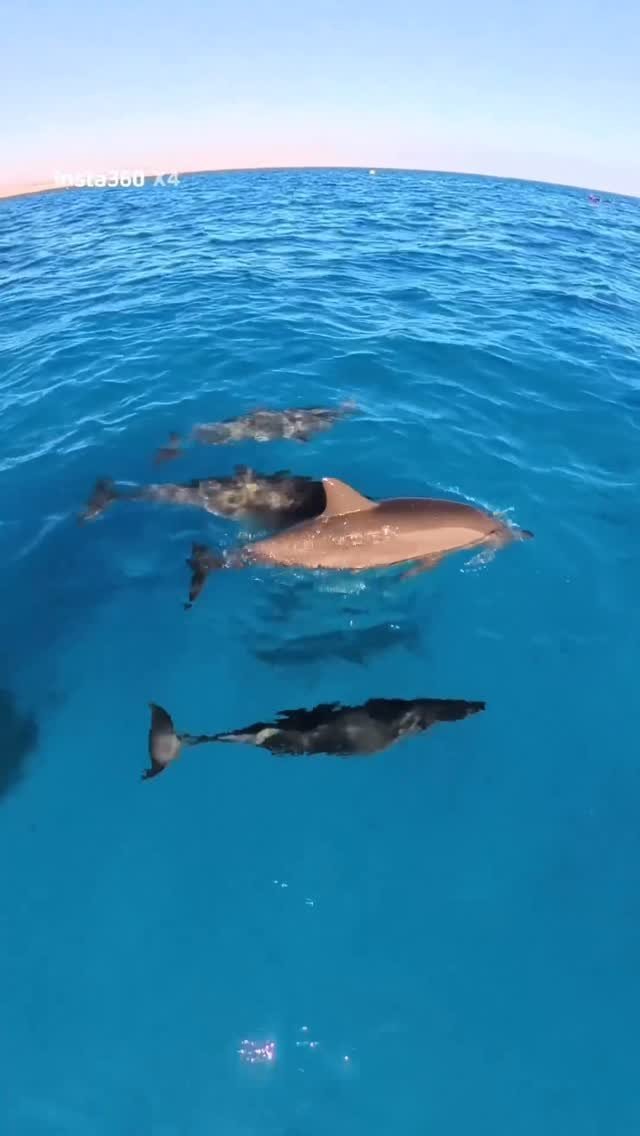
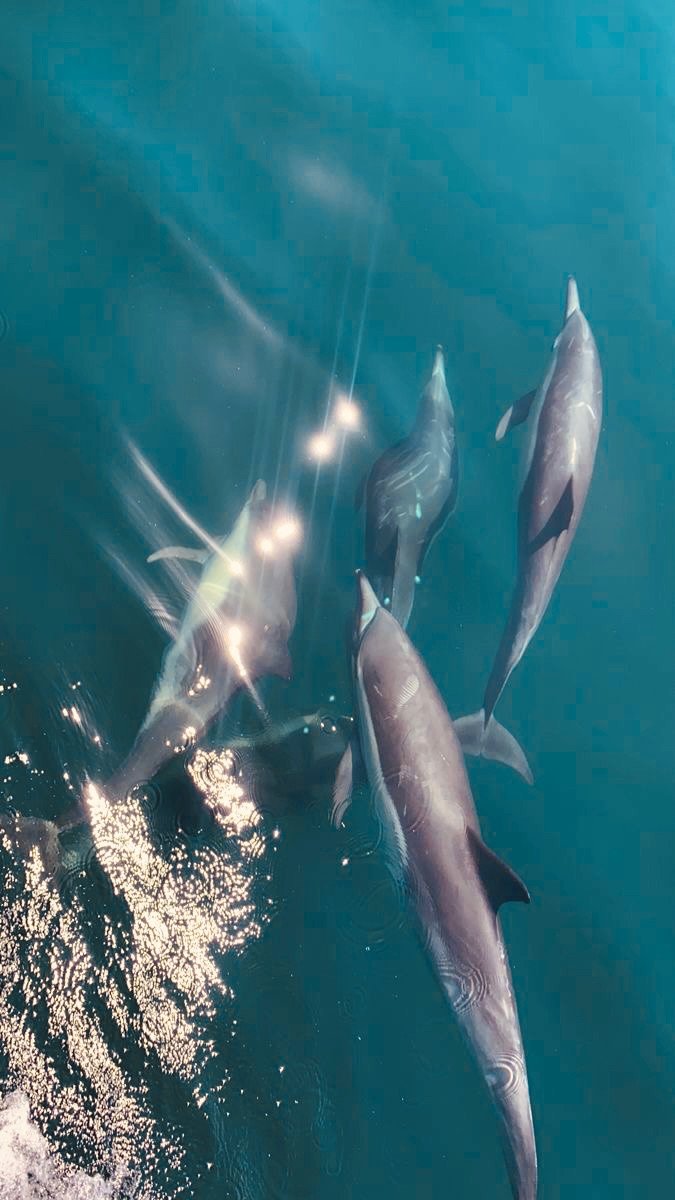
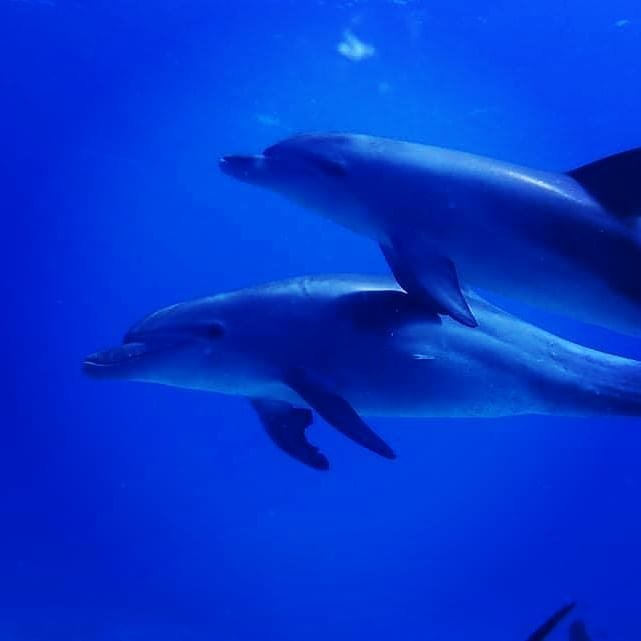
Spinner dolphins spend the day resting in sheltered lagoons and head out to hunt at night. That is why the reefs known as Dolphin House are famous for them. Sightings are frequent but never guaranteed, and the animals decide how close to come, so never chase them. Read our guide to Samadai or visit Satayeh.
9. Dugong
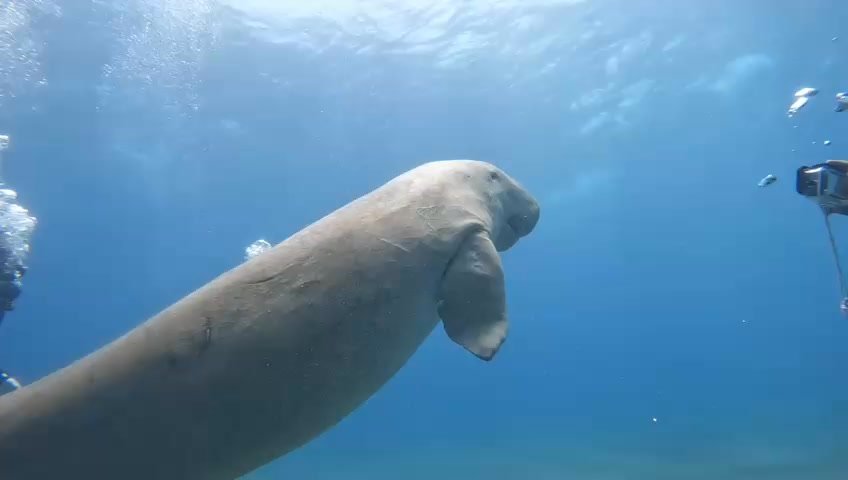
A rare treat. Dugongs graze on seagrass beds, so the best chance is in shallow bays with plenty of grass, especially Abu Dabbab and Marsa Egla. Recent reports are covered in our dugong sightings guide. Stay calm and keep well back.
10. Whale shark
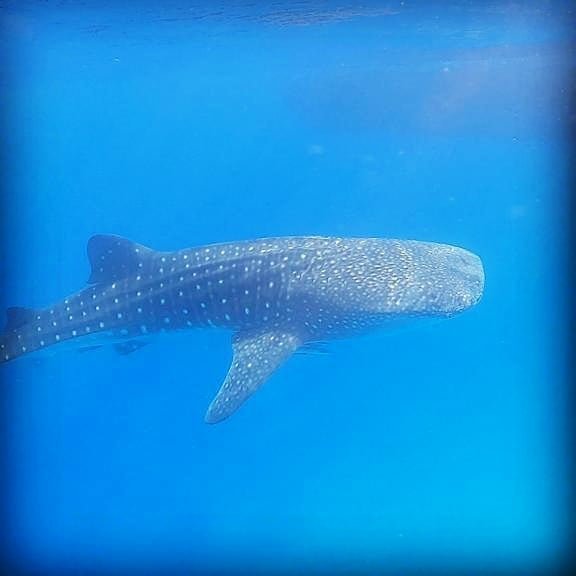
The largest fish in the world is also the luckiest sighting on this list. Whale sharks are harmless filter feeders that drift through the Red Sea from time to time, and one turned up near Giftun recently, as we covered in our whale shark report. Nobody can plan for one, so keep your eyes on the blue.
How can you improve your chances of seeing marine life?
- Dive more than once. Repeat dives at different sites double your chances of the rarer animals.
- Stay calm and neutrally buoyant. Animals stay longer when you are quiet and still.
- Look at the details. Scan crevices, sand and open water, not just the reef in front of you.
- Follow your guide's briefing and never touch, chase or feed marine life.
Ready to see them for yourself?
Browse our dive-site guides, read the full Red Sea marine life guide and our guide to sharks, or book one of the dolphin and dive trips below.