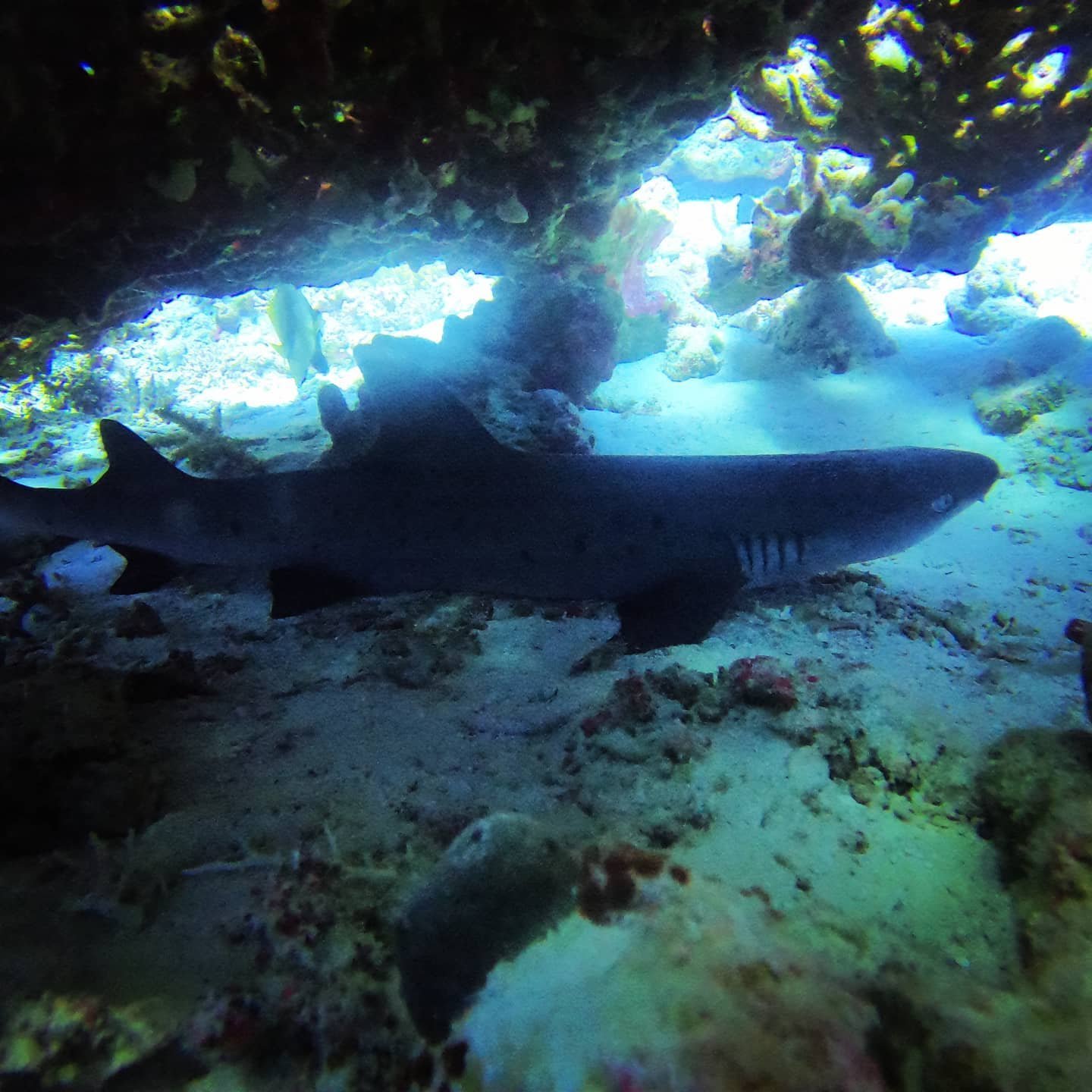
The dugong — known in Egypt as "arous el-bahr", the bride of the sea — has been in the news again, with sightings reported off Marsa Alam and Hurghada. Here is what was reported by Egypt's environment authorities, and everything worth knowing about the animal behind the mermaid legend.
What did Egypt's Ministry of Environment report about the dugongs?
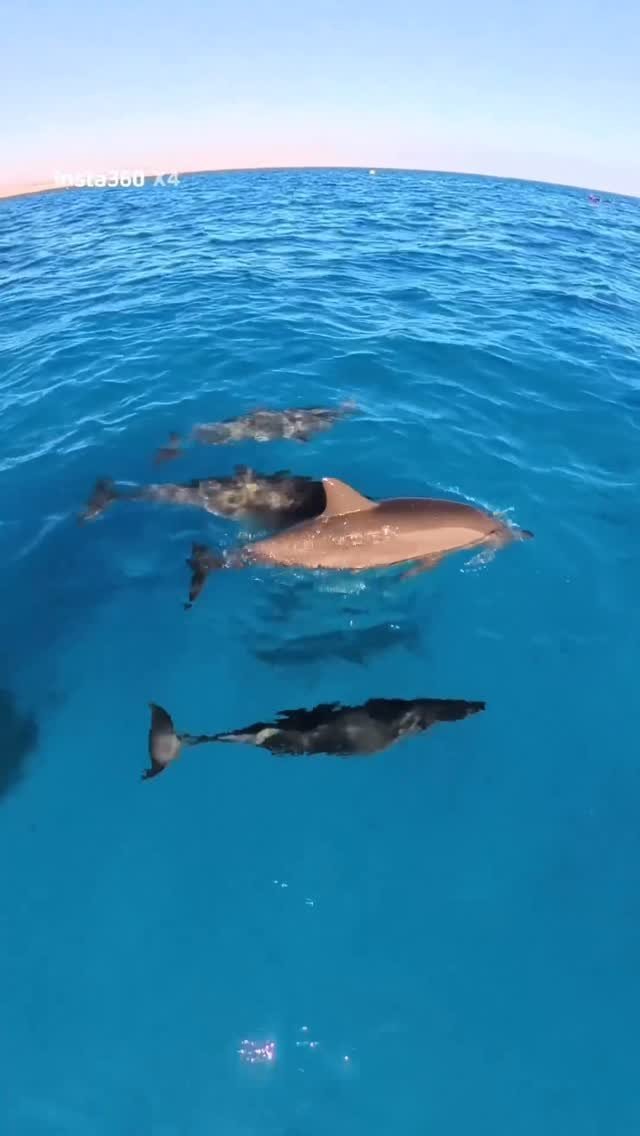
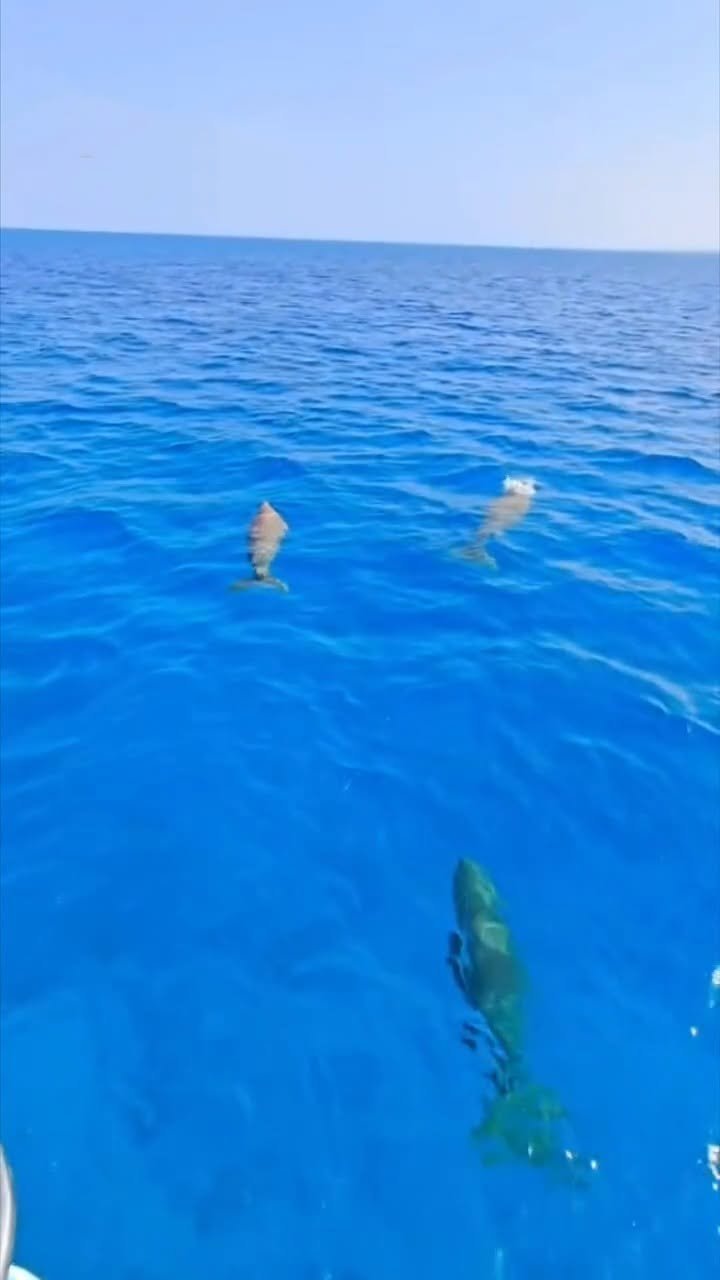
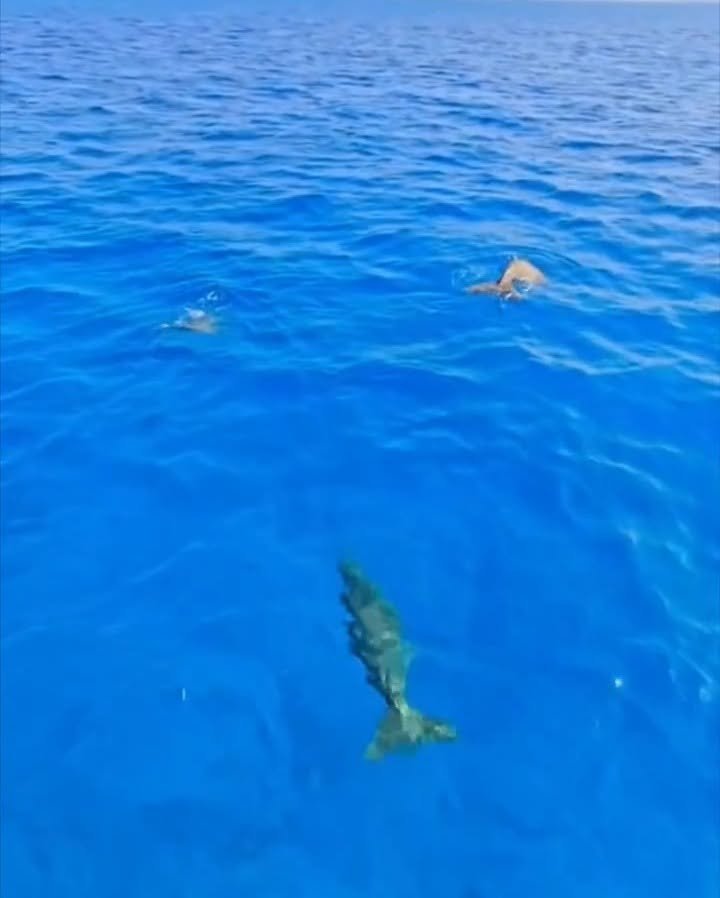
On 20 September the Red Sea Protected Areas administration announced that a Hurghada diving centre documented three dugongs during a boat trip near Magawish Island. The animals surfaced to breathe and then returned to deeper water, according to the head of the protectorates.
Look closely at the water: three shapes drift just below the surface. They are dugongs, and these frames come from the footage filmed from the boat.
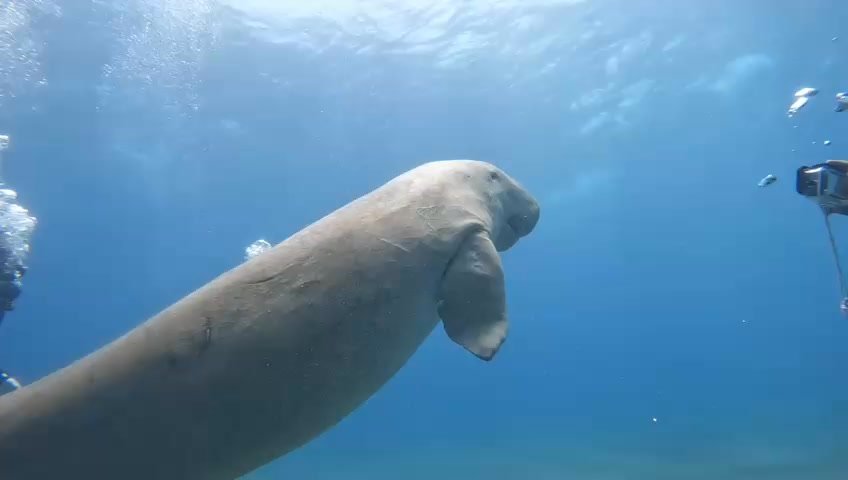
Two days earlier, divers in Abu Dabbab Bay, Marsa Alam, filmed a dugong feeding, rising to breathe and moving along the seabed, and the footage spread quickly on social media. The video below was shared by the Ministry of Environment.
Video: Egypt's Ministry of Environment, via Facebook.
What is a dugong, and why is it called the bride of the sea?
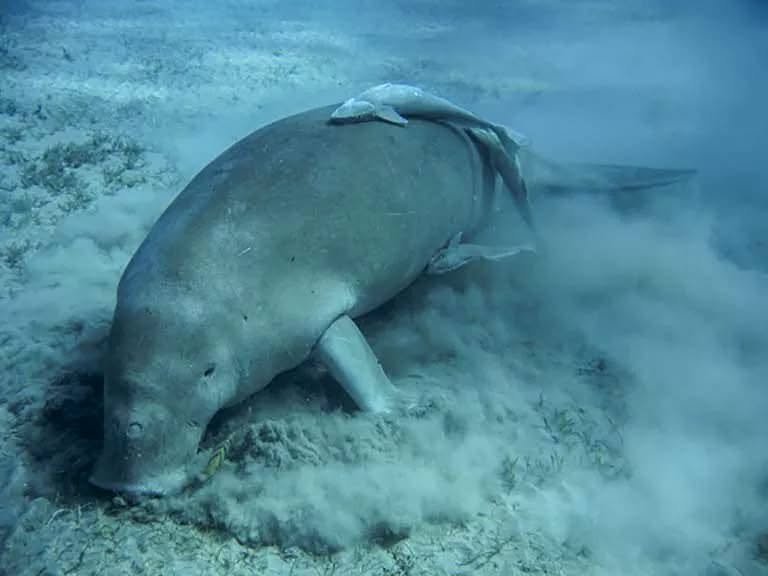
The dugong is a large marine mammal — the only strictly marine herbivorous mammal, feeding almost entirely on seagrass. That habit earned it the name "sea cow", because it spends most of its day grazing the seabed.
The mermaid legend has a simple origin. Sailors of the past glimpsed these animals from a distance, floating at the surface while nursing their calves, and mistook them for rare human-like beings — sea maidens.

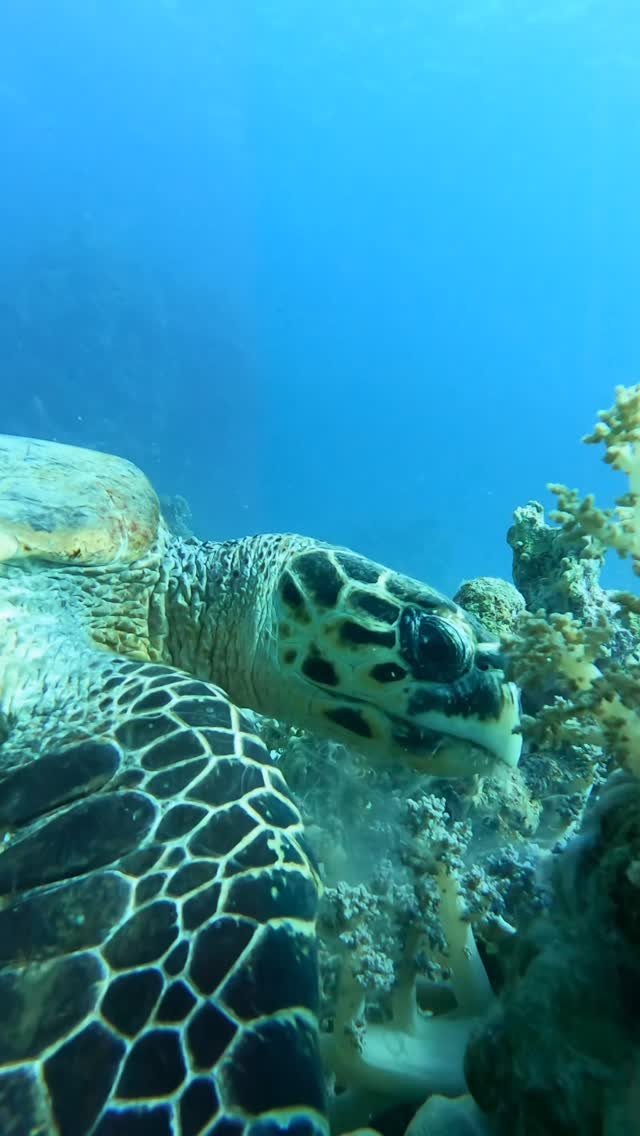
What does a dugong look like, and how does it live?
A dugong is a large sea mammal, roughly 2.5 to 3 metres long, with a cylindrical body, flippers similar to a dolphin's and a forked tail that is flat and horizontal. It can live for up to 100 years.
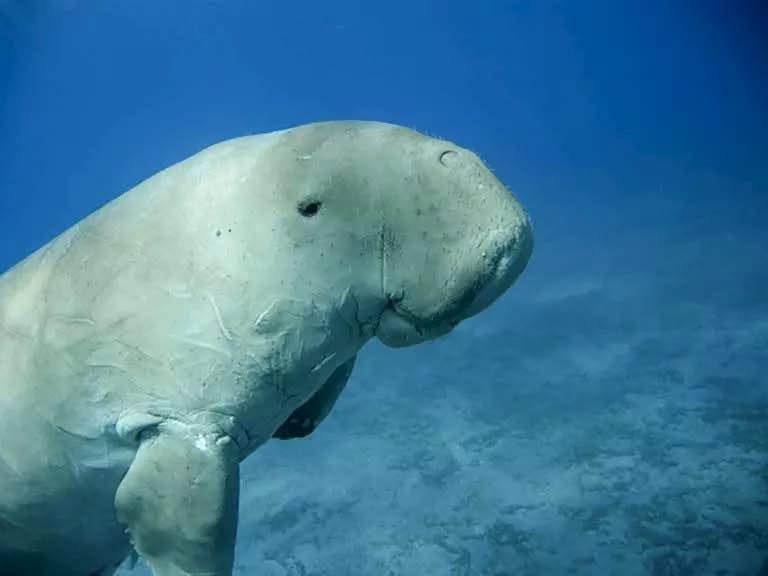
It feeds on seagrass and lives in pairs or small groups. It is extremely slow-moving, gentle and unthreatening, which makes it one of the calmest animals you can meet in the sea.
How many dugongs live in the Egyptian Red Sea?
According to figures circulated by the authorities, about 32 dugongs live around Marsa Alam and the Wadi El Gemal protectorate, and between 82 and 98 along the Egyptian west coast of the Red Sea as a whole.
Where are dugongs found in Egypt?
Around 95 sites are known for dugongs, from north of Hurghada to Halayeb. They include the coast of Safaga, Quseir and Marsa Alam, the area south of Ras Banas and the waters in front of the Elba protected area, especially near Abu Ramad and Halayeb. Abu Dabbab Bay is the best-known place to see one.
Is the dugong protected in Egypt?
Yes. The dugong is on the list of the most threatened animals and hunting it is prohibited by law, with penalties that include imprisonment and a fine of 50,000 Egyptian pounds. The ministry stresses enforcement of the environment law and its decisions on hunting.
Conservation efforts reported include the Red Sea Protectorates working with the security authorities to trace those behind circulating photos of dugong hunting, recommendations to bring seagrass areas inside protectorate boundaries, and awareness work with fishermen and volunteers.
What are dugongs called in Egypt?
The same animal has several names: dugong, sea cow, and "arous el-bahr". In the north it is usually called the bride of the sea, while in the south you will hear names such as el-gild, el-ijl and el-gamal.
Where can you see a dugong responsibly?
Abu Dabbab Bay in Marsa Alam is the most reliable place in Egypt, and it is shallow and calm, so snorkellers see the same animals divers do. A sighting is never guaranteed — it is a possibility the bay gives you a real chance at, not a promise. Read our full guide to Marsa Abu Dabbab: dugongs and turtles, and our story on the dugong mother and calf.
How should you behave around a dugong?
- Keep your distance. Do not chase, corner, surround or touch it.
- Do not block its path — let it choose where to go.
- No flash, no scooters, no feeding.
- Follow your guide's briefing. The species is endangered and easily disturbed.
Calm, patient behaviour is the right thing to do — and it is what keeps a shy, protected animal willing to be seen at all. The week also brought news of whale sharks off Giftun — read the whale shark story.