Know before you go

Dive Sites in Hurghada & Marsa Alam

Real Red Sea reef systems around our destinations — depth, conditions and marine life for each, so you can plan your dive days with confidence.

49 sites easy moderate hard

Hurghada Good for diving

Sea
26.9°C
Waves
0.2 m
Wind
3 kn NW
Air
28°C

Marsa Alam Good for diving

Sea
28.5°C
Waves
0.3 m
Wind
2 kn NE
Air
28°C

Updated 18:28 · Forecast data: Open-Meteo.com (CC BY 4.0). Model values for the area, not a reading at the reef — your skipper and guide make the call on the day.

Dive site map

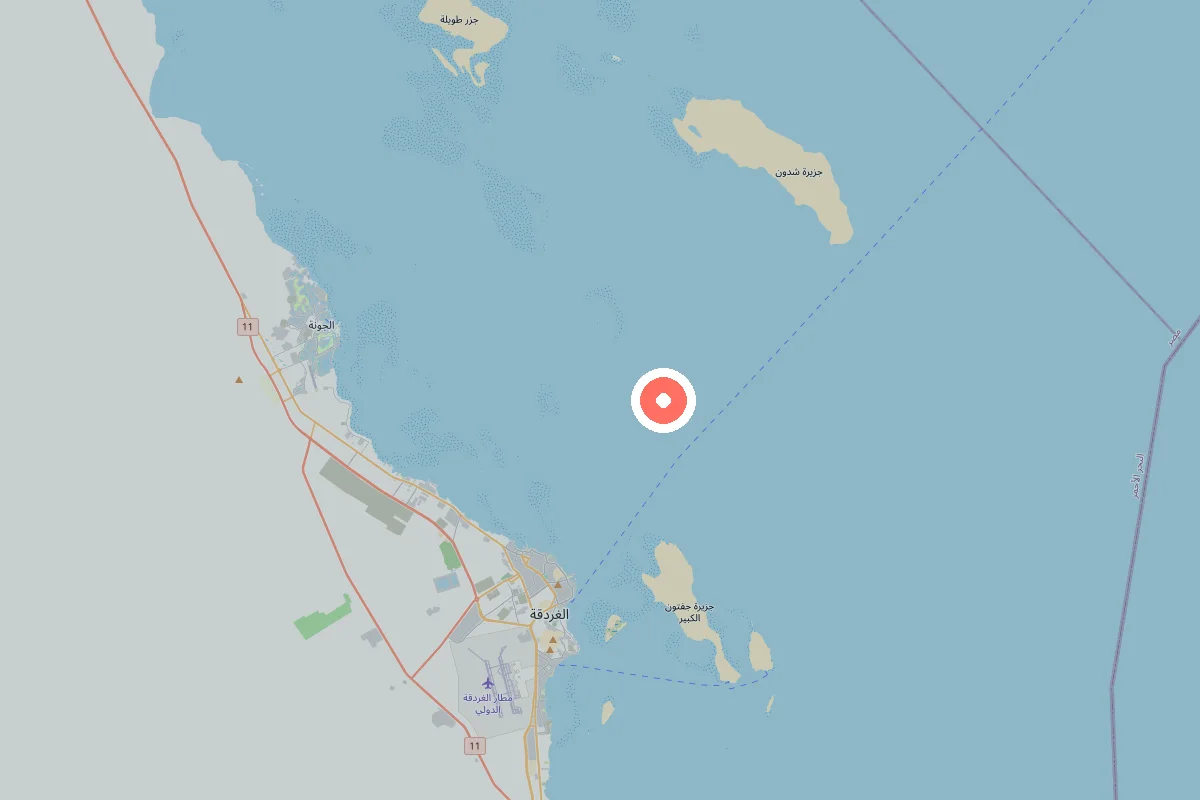
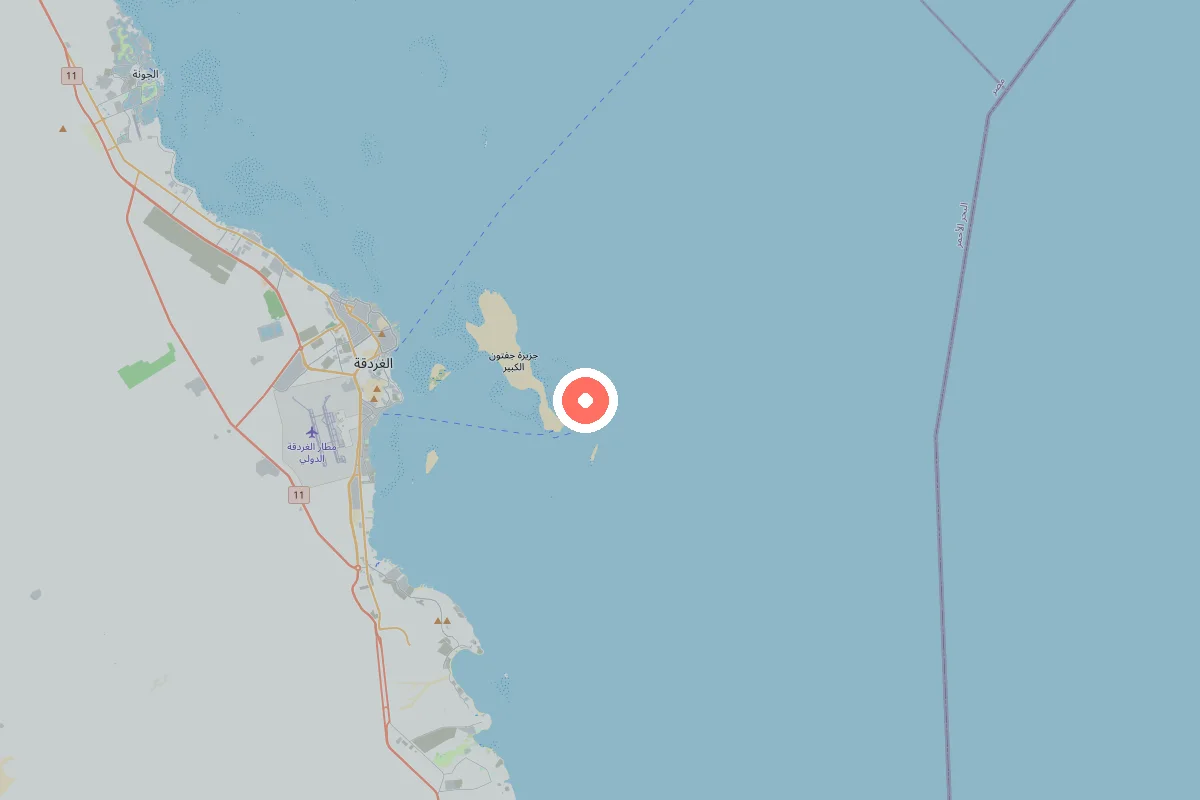
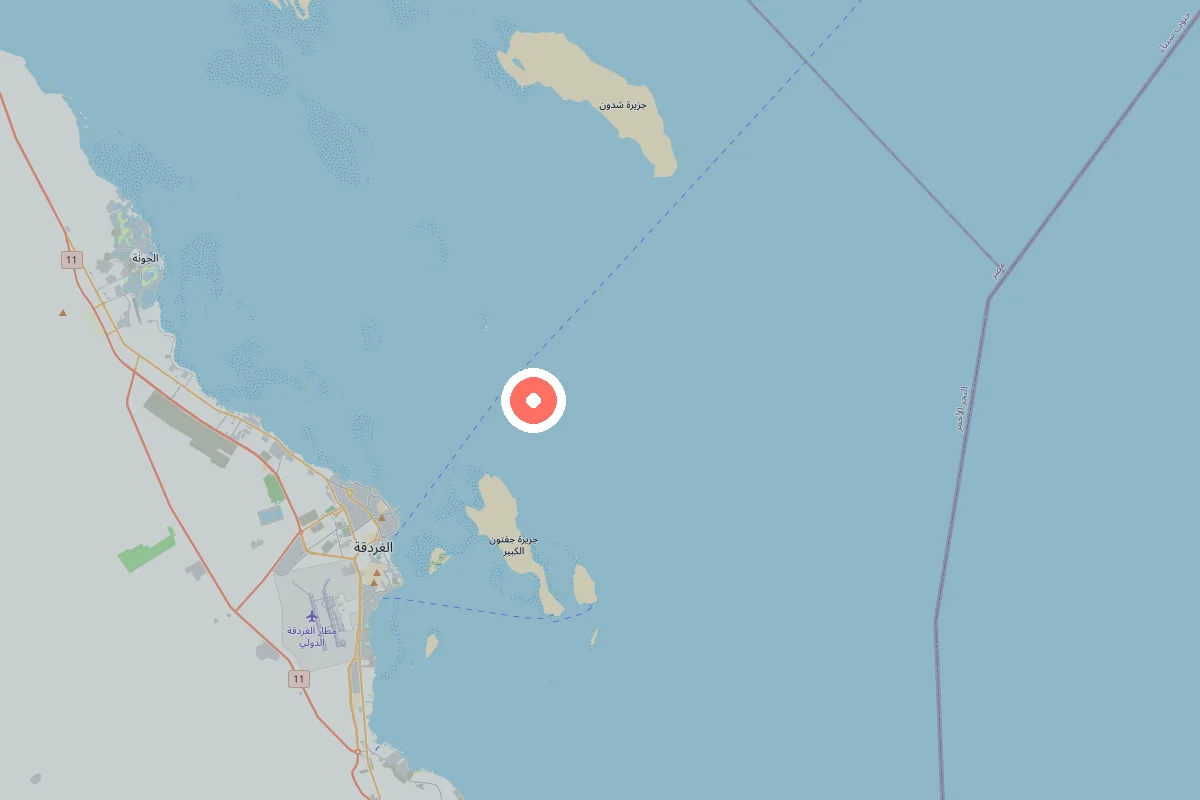
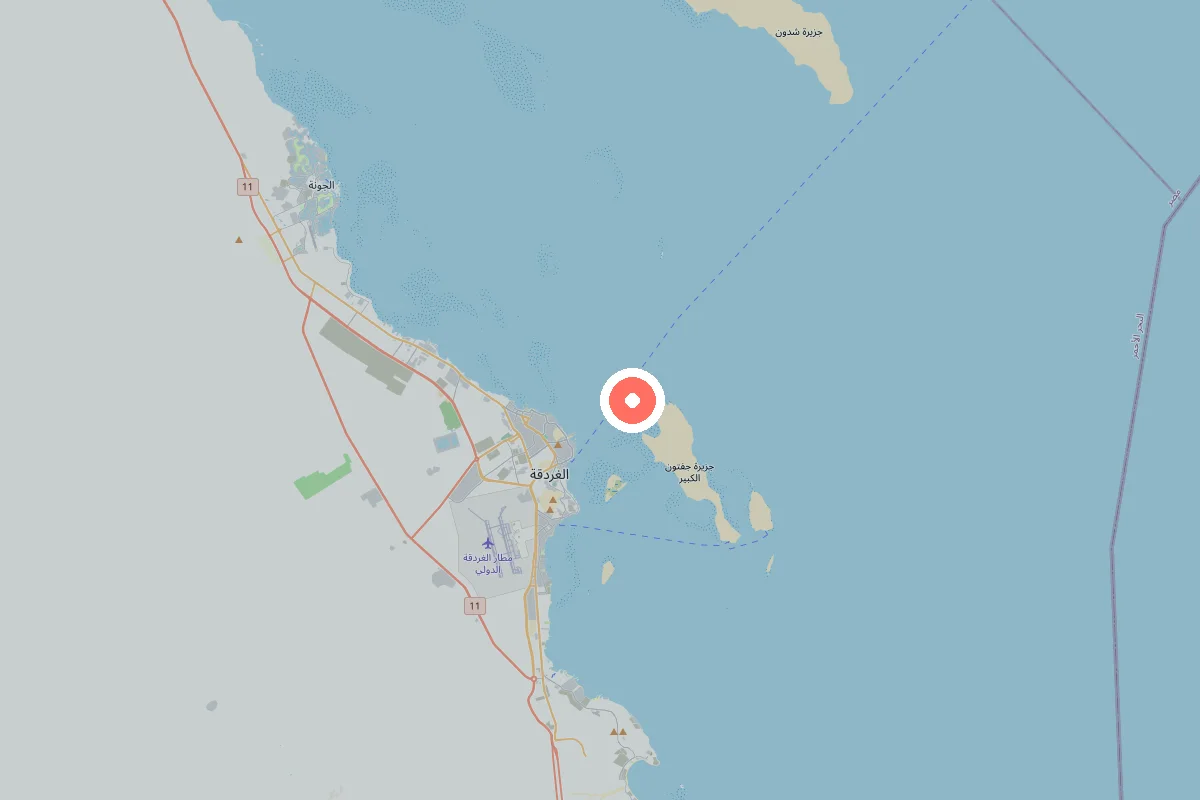
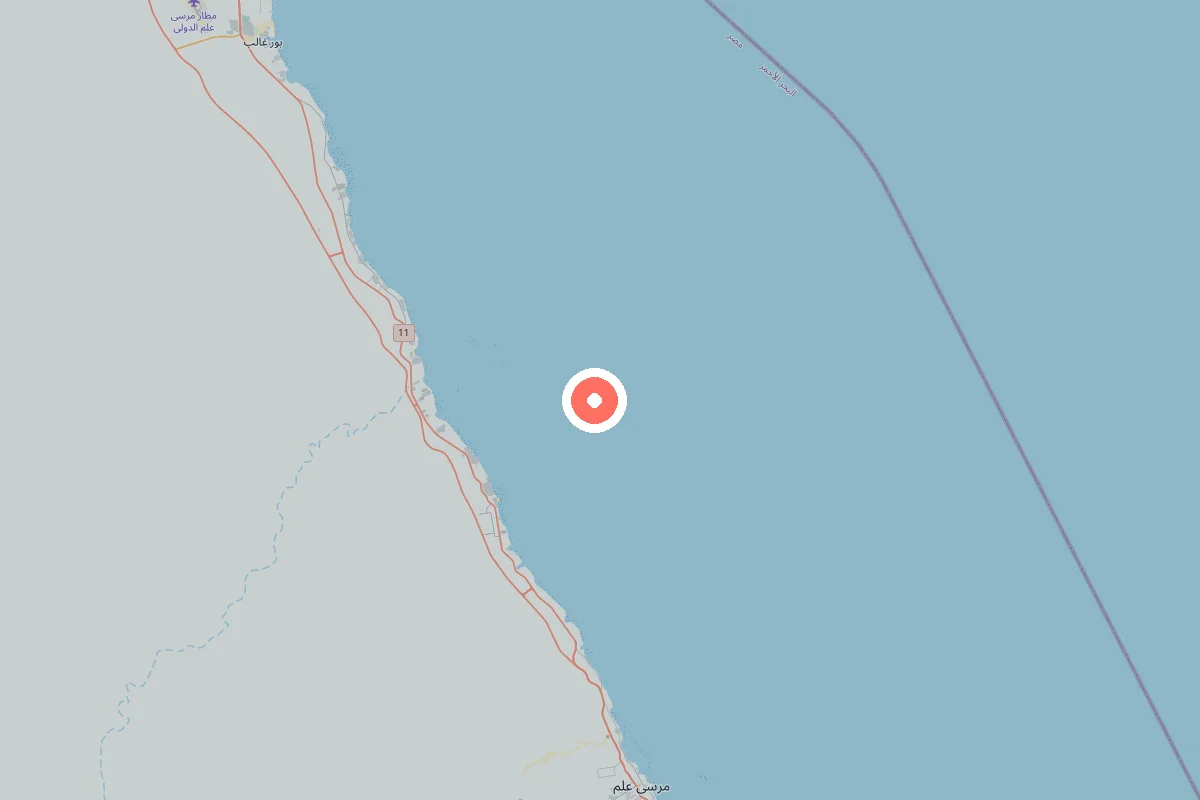
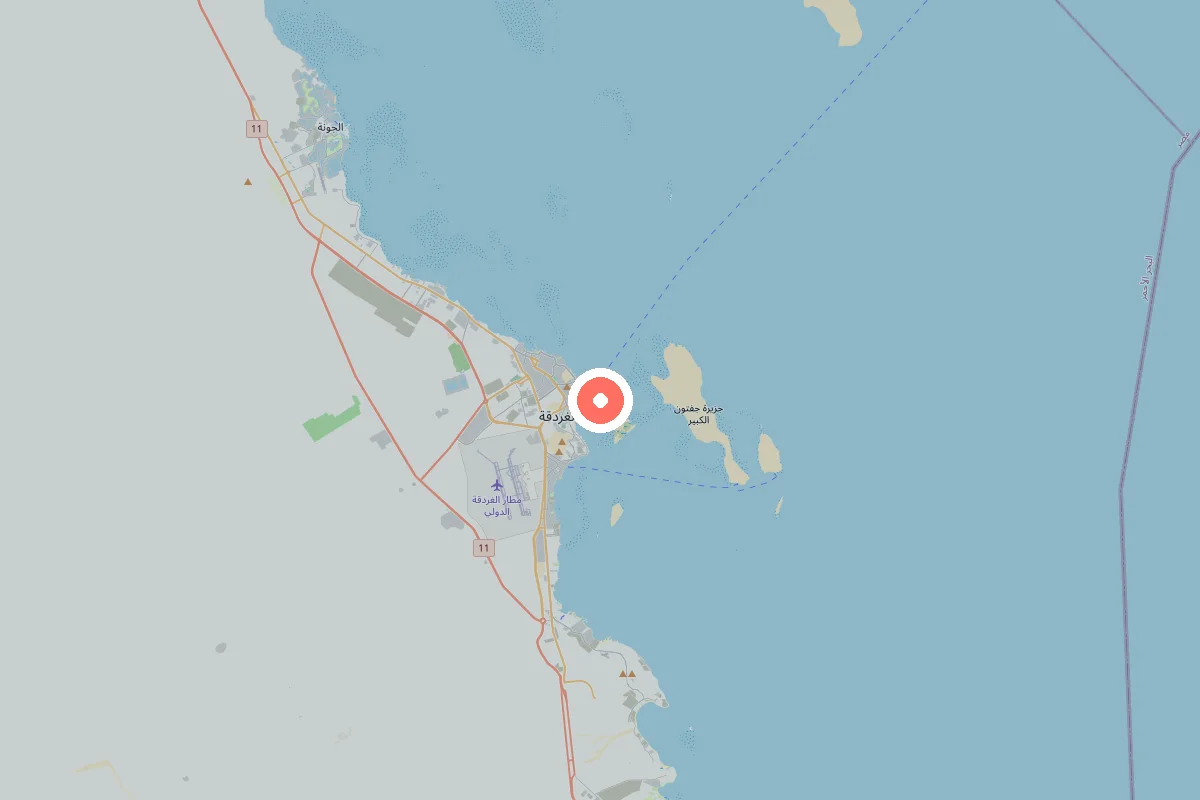
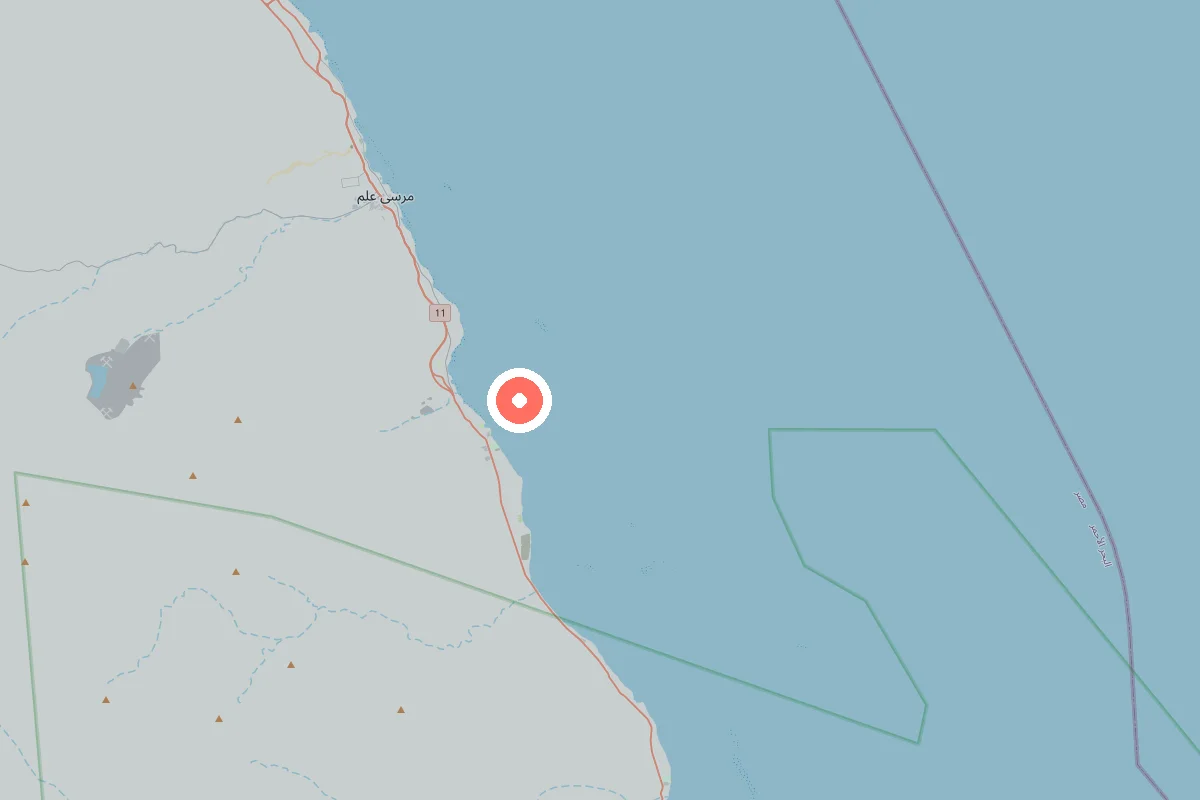
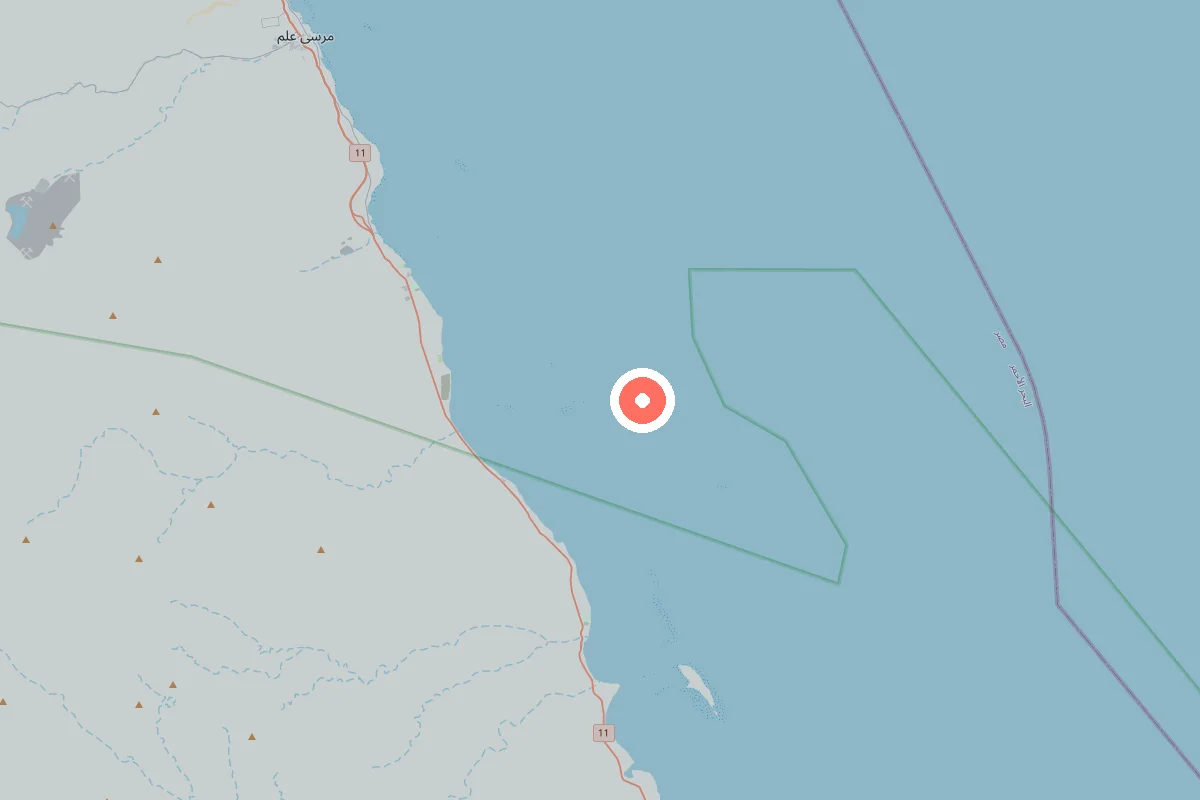
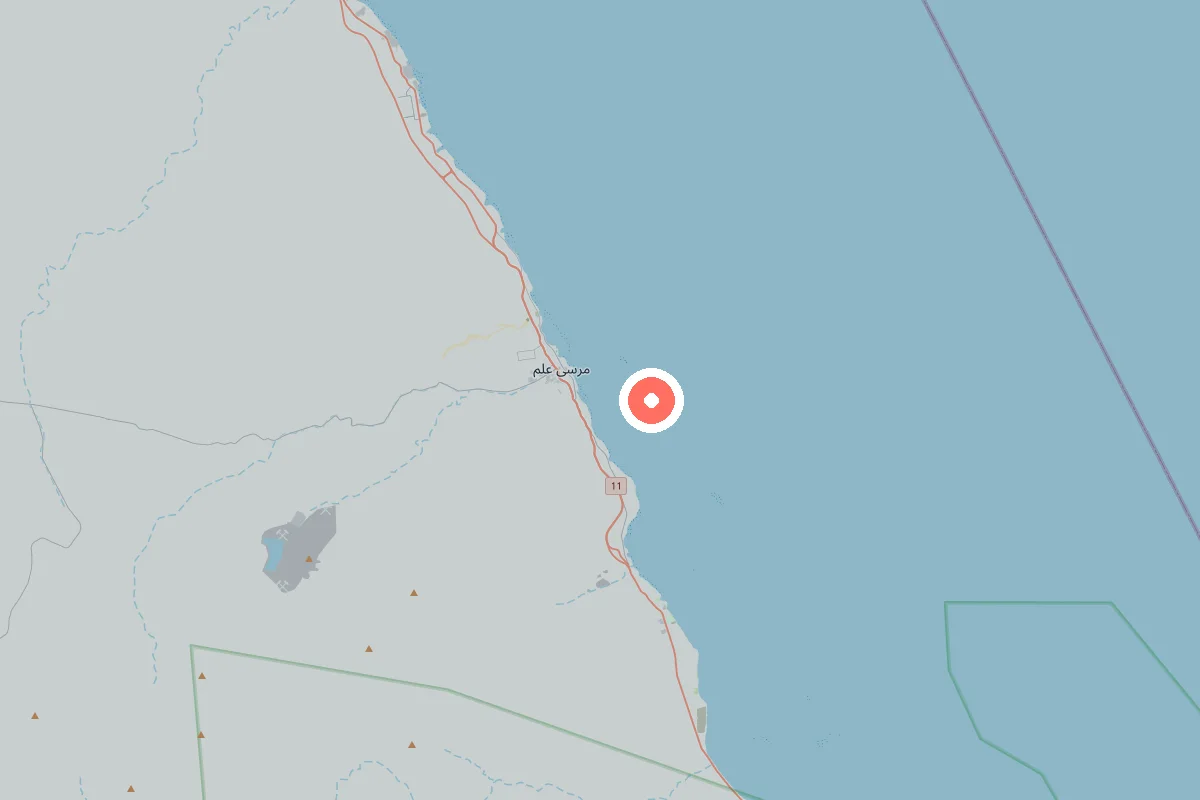
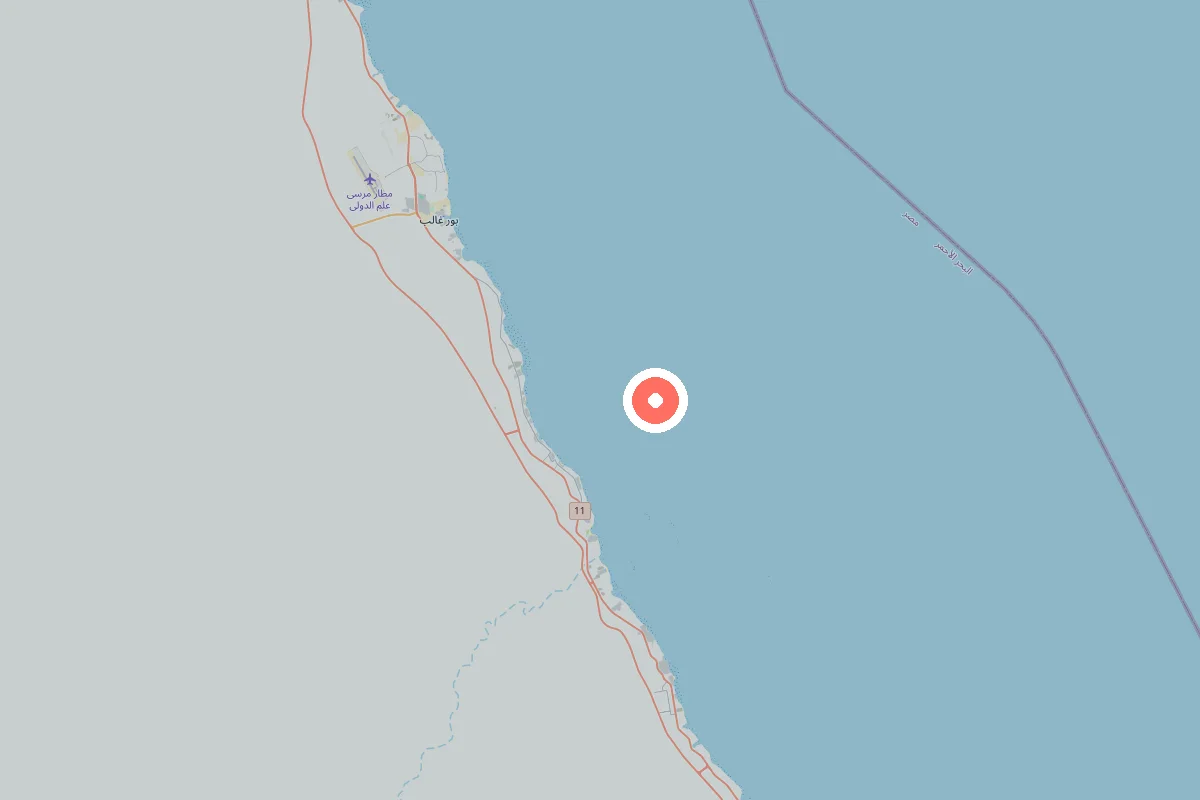
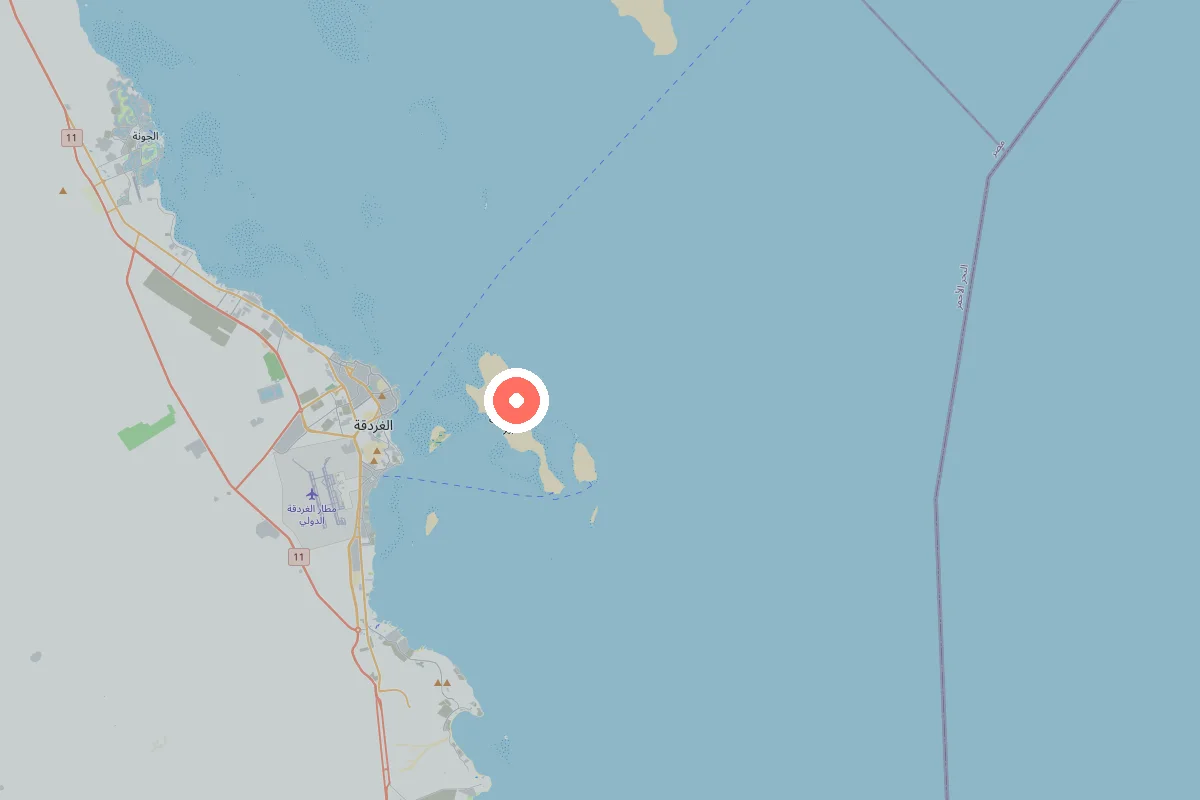
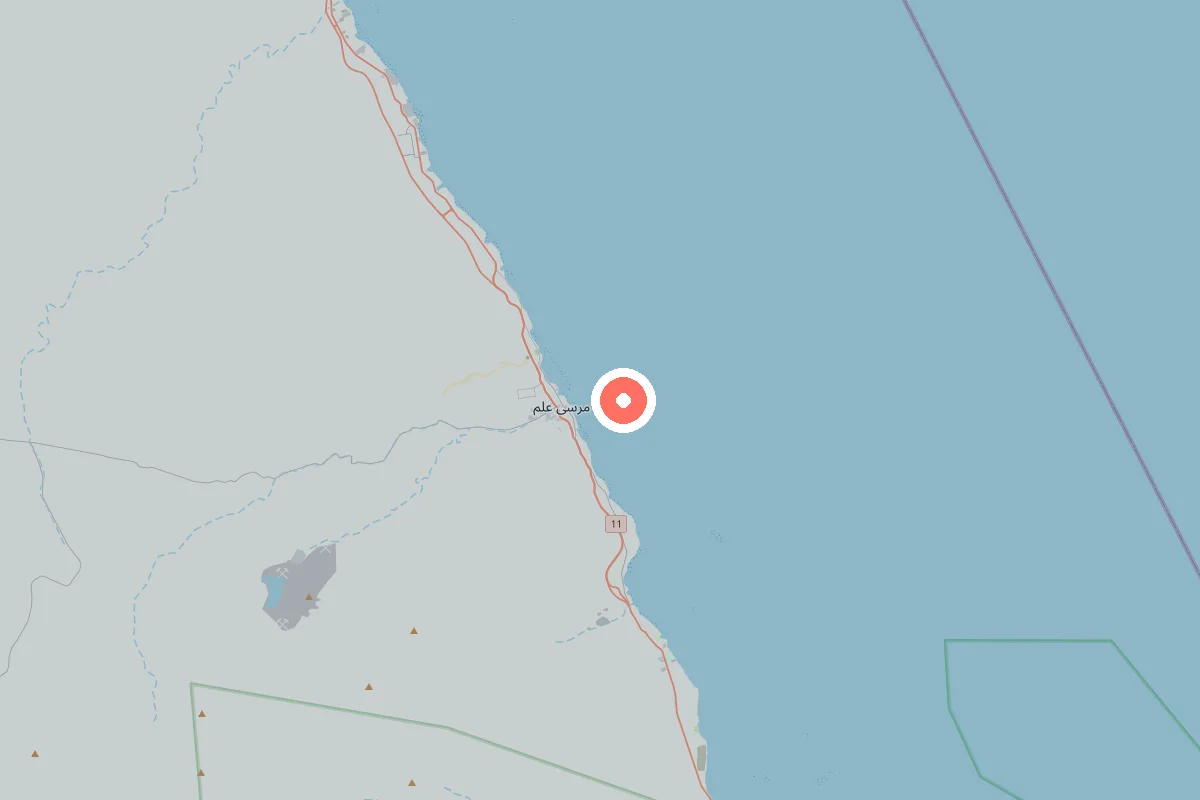
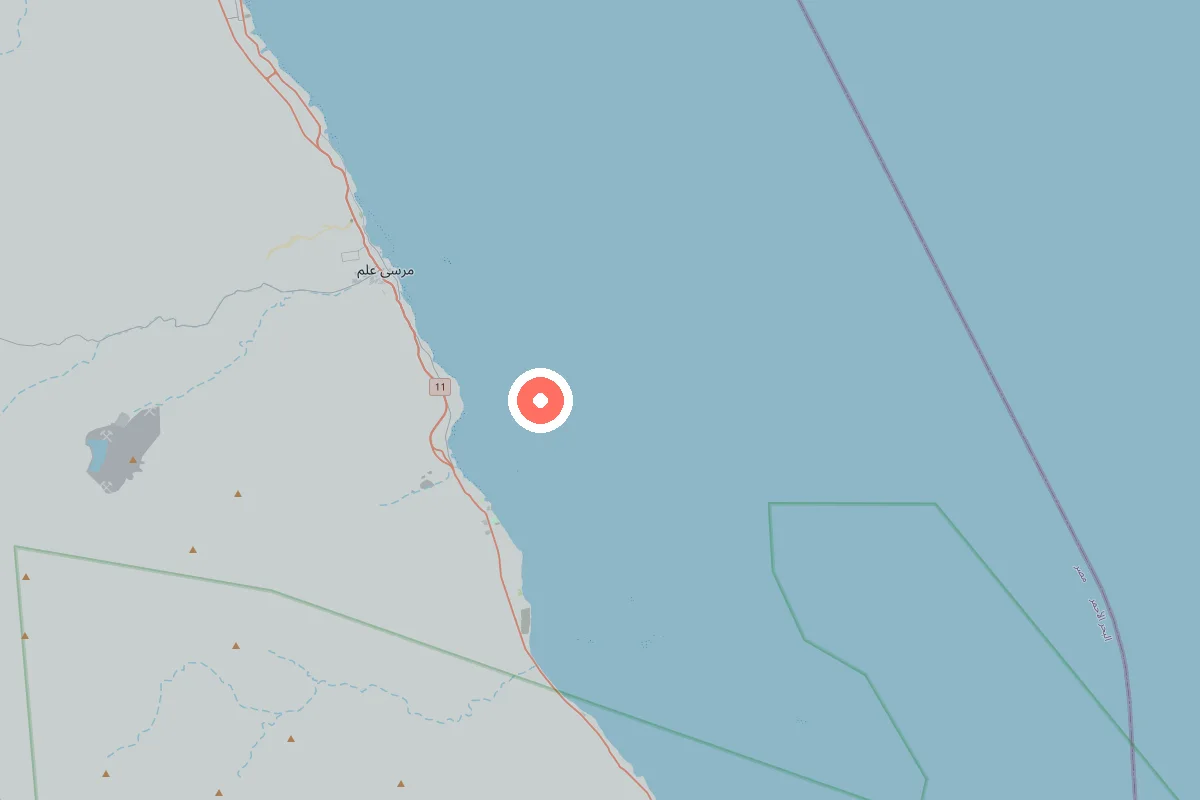
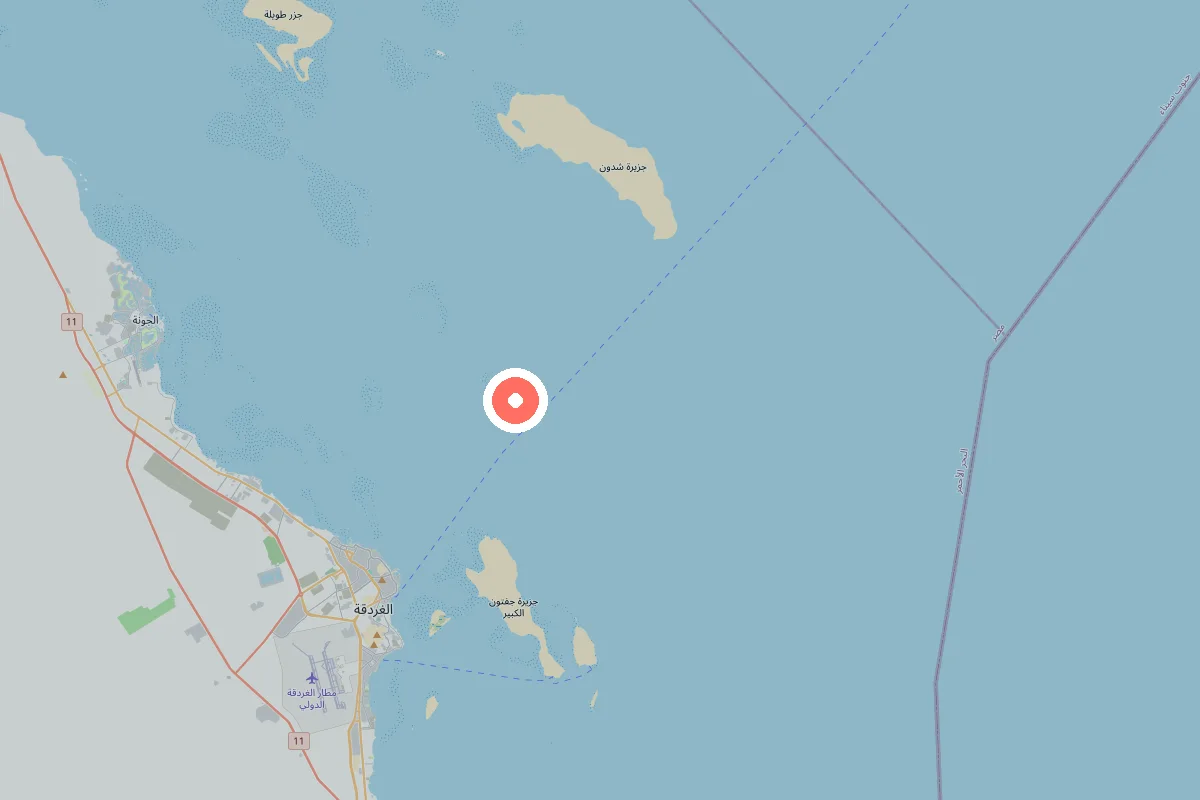
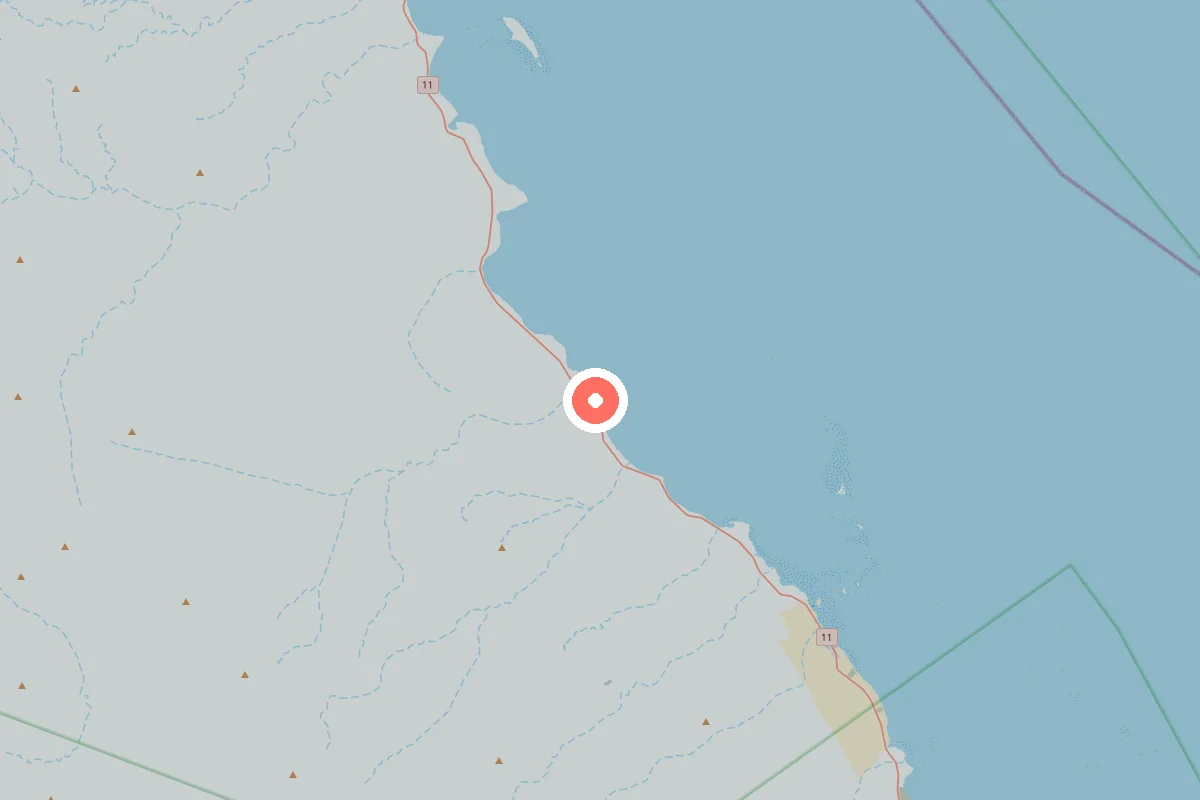
Marker positions are approximate — for orientation only, never for navigation.

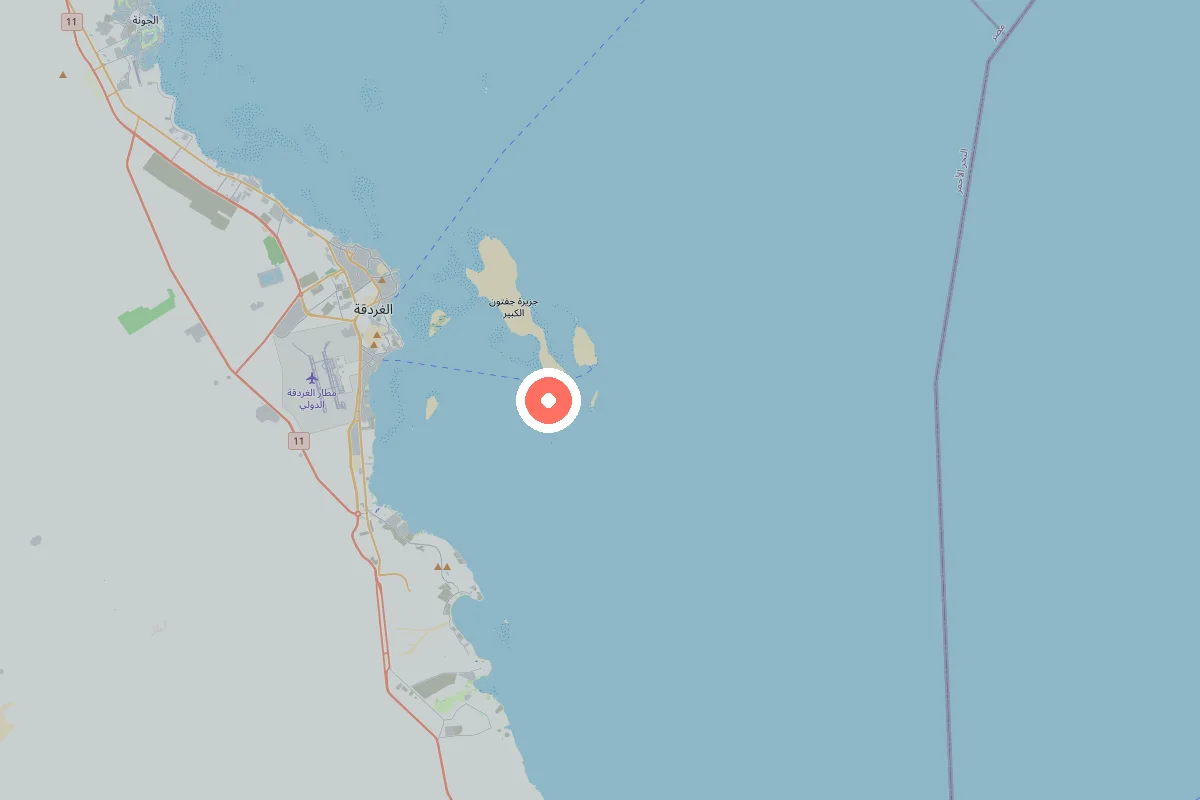
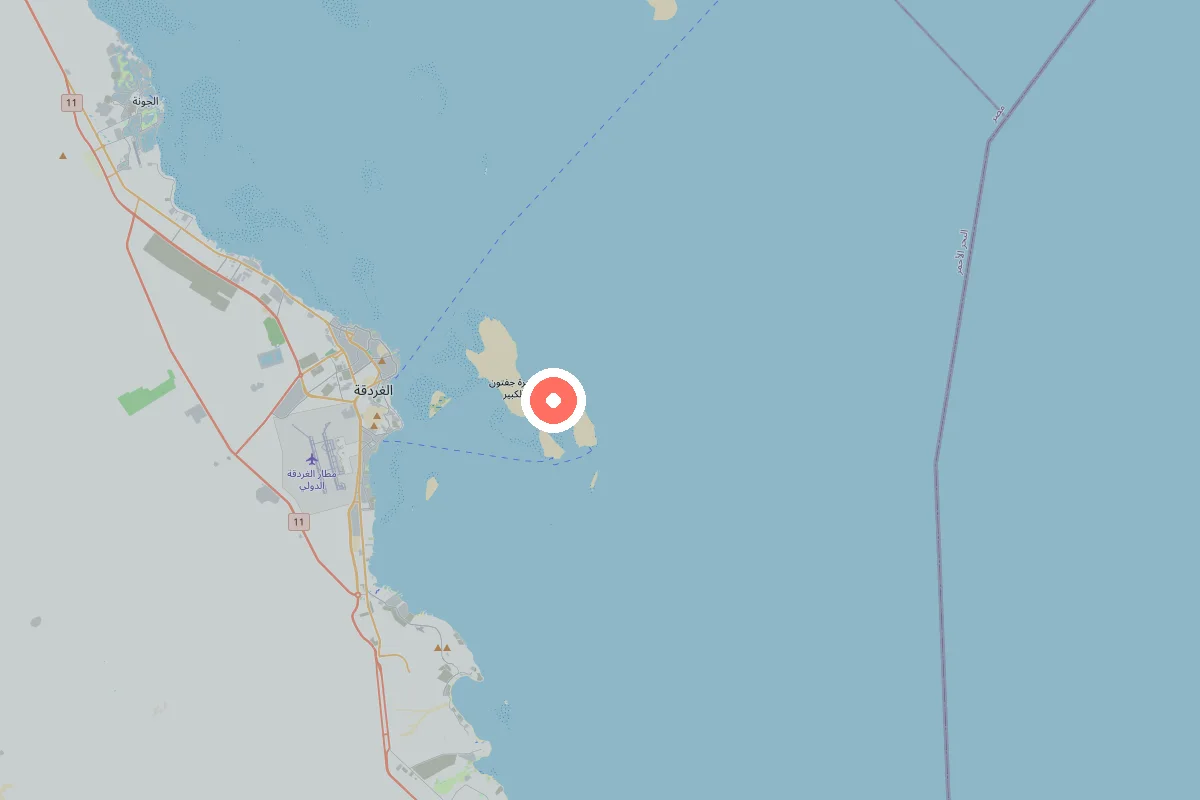
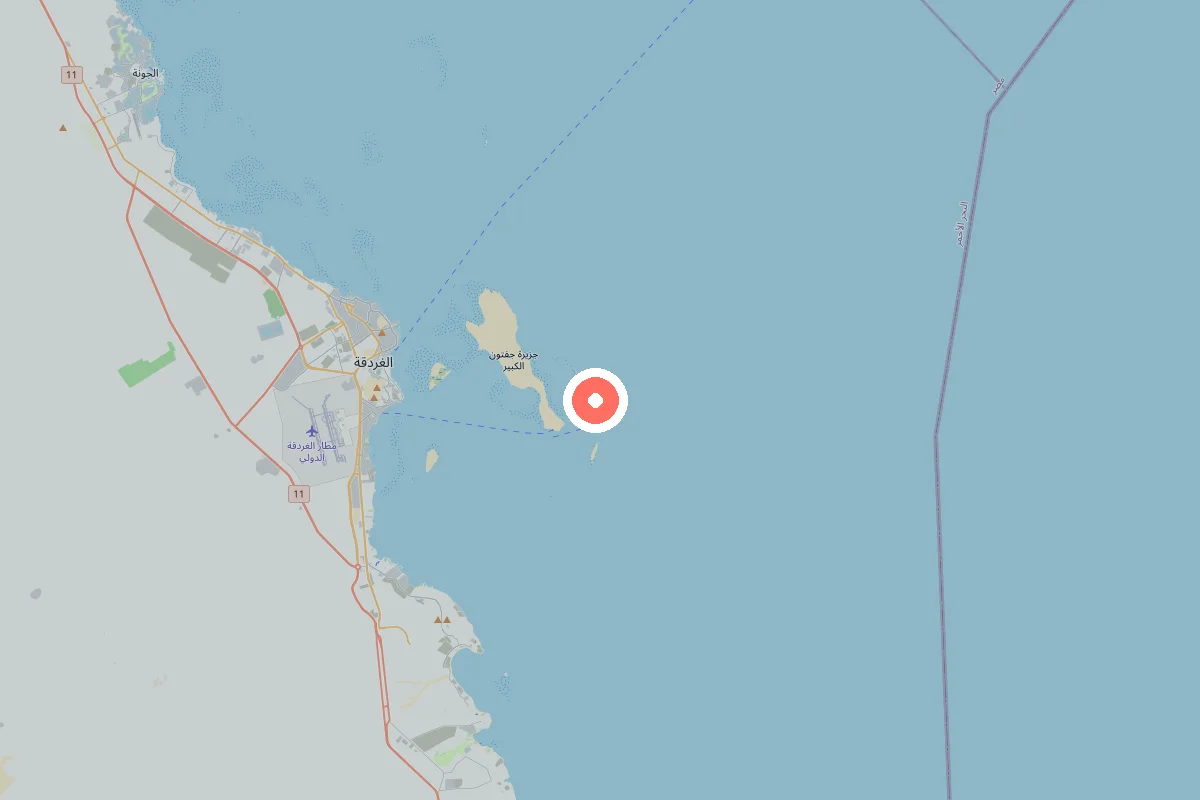
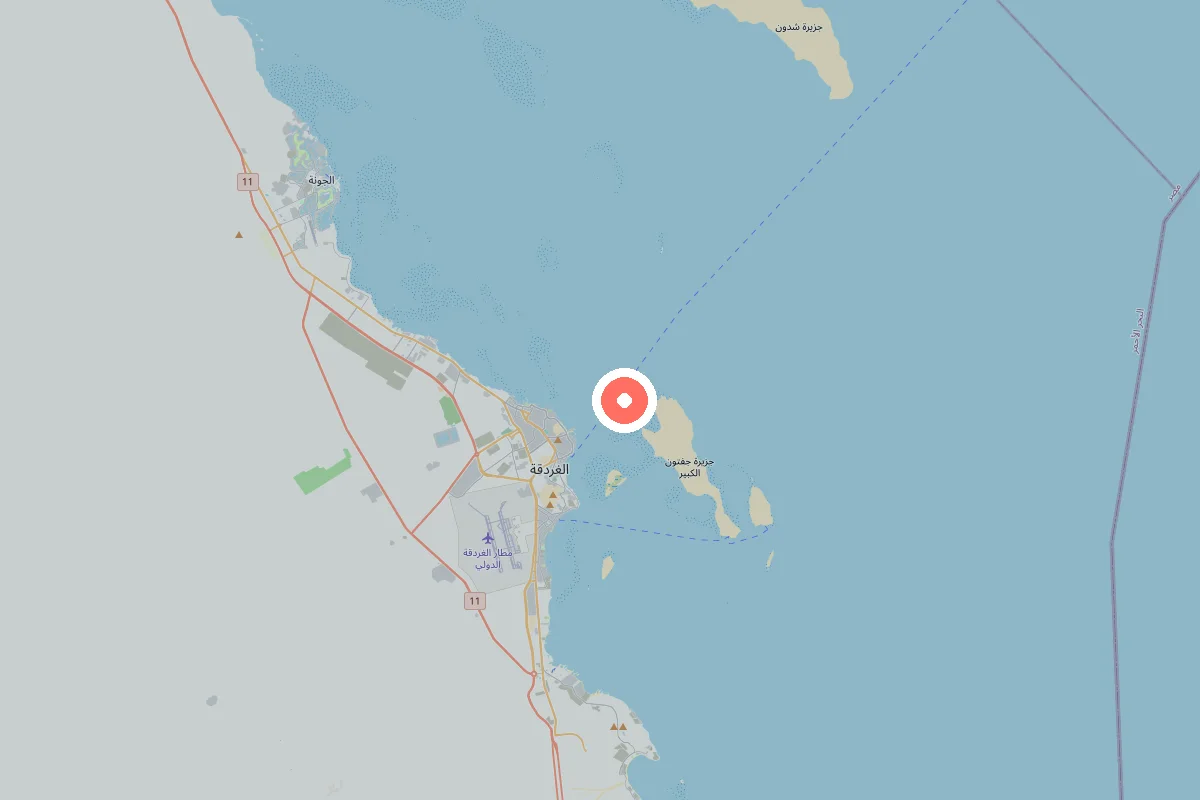
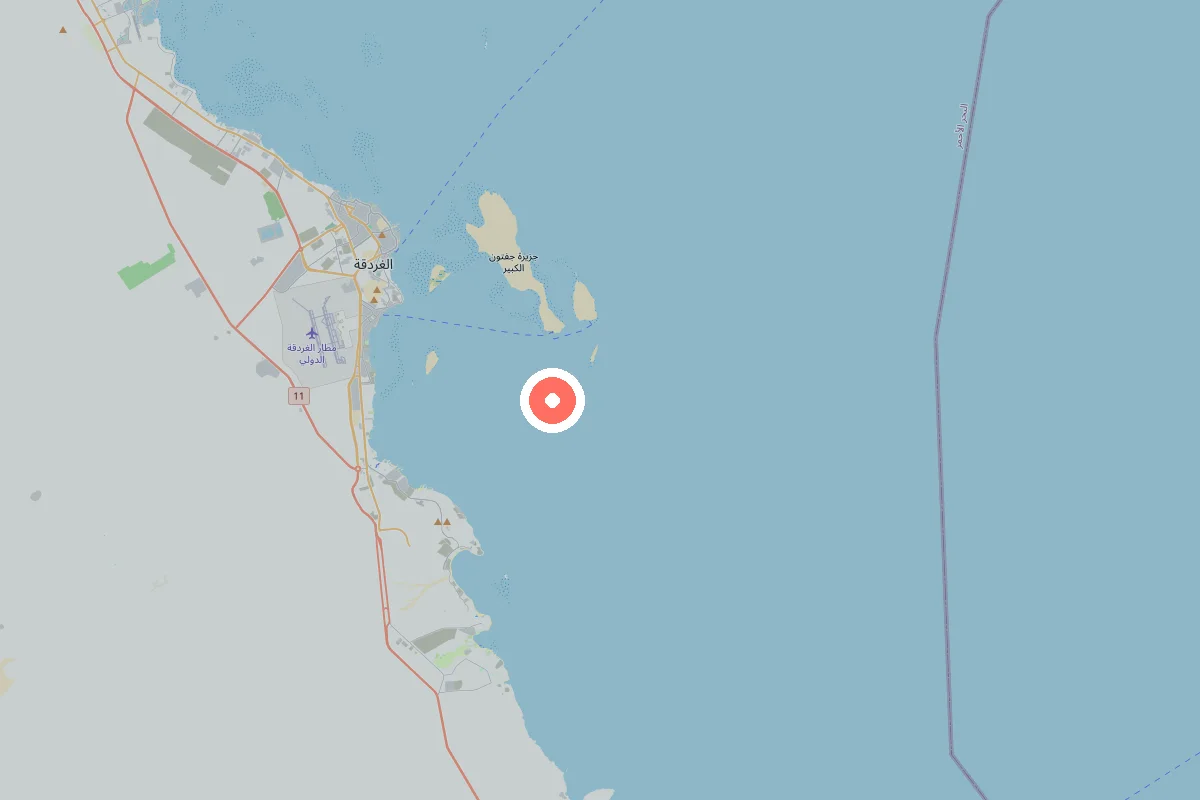
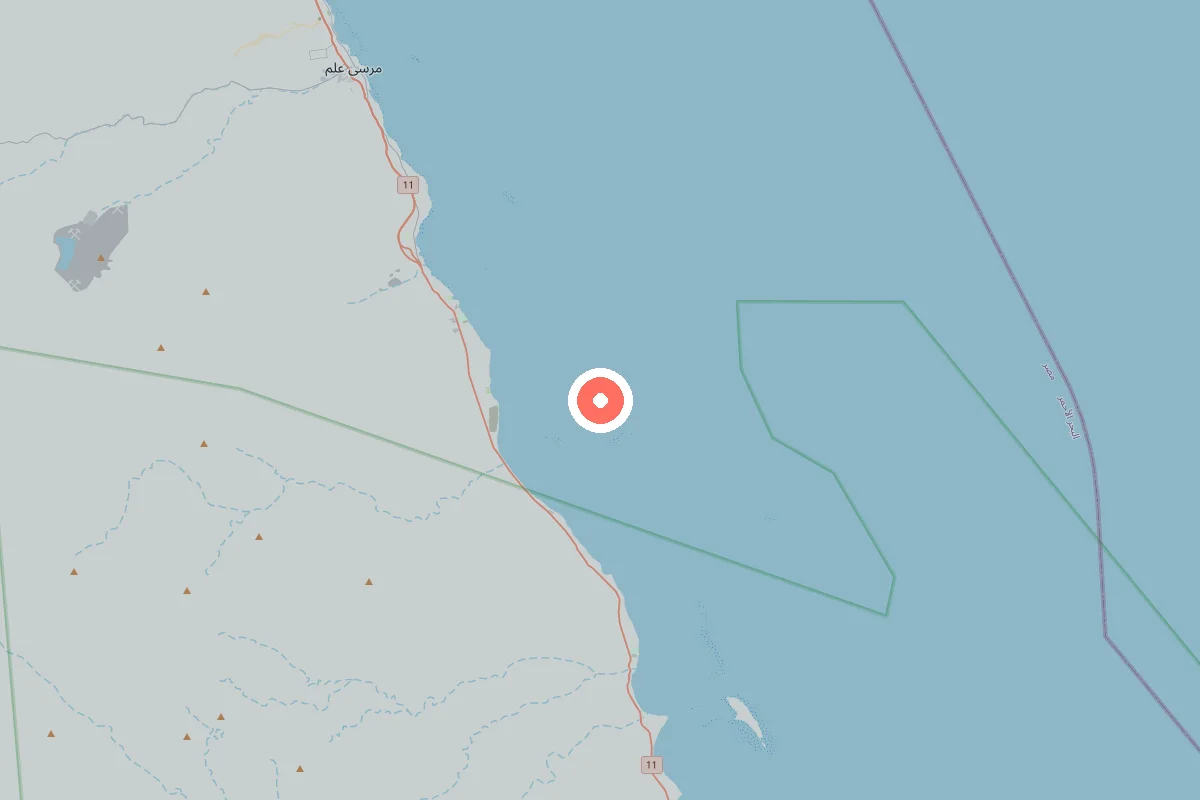
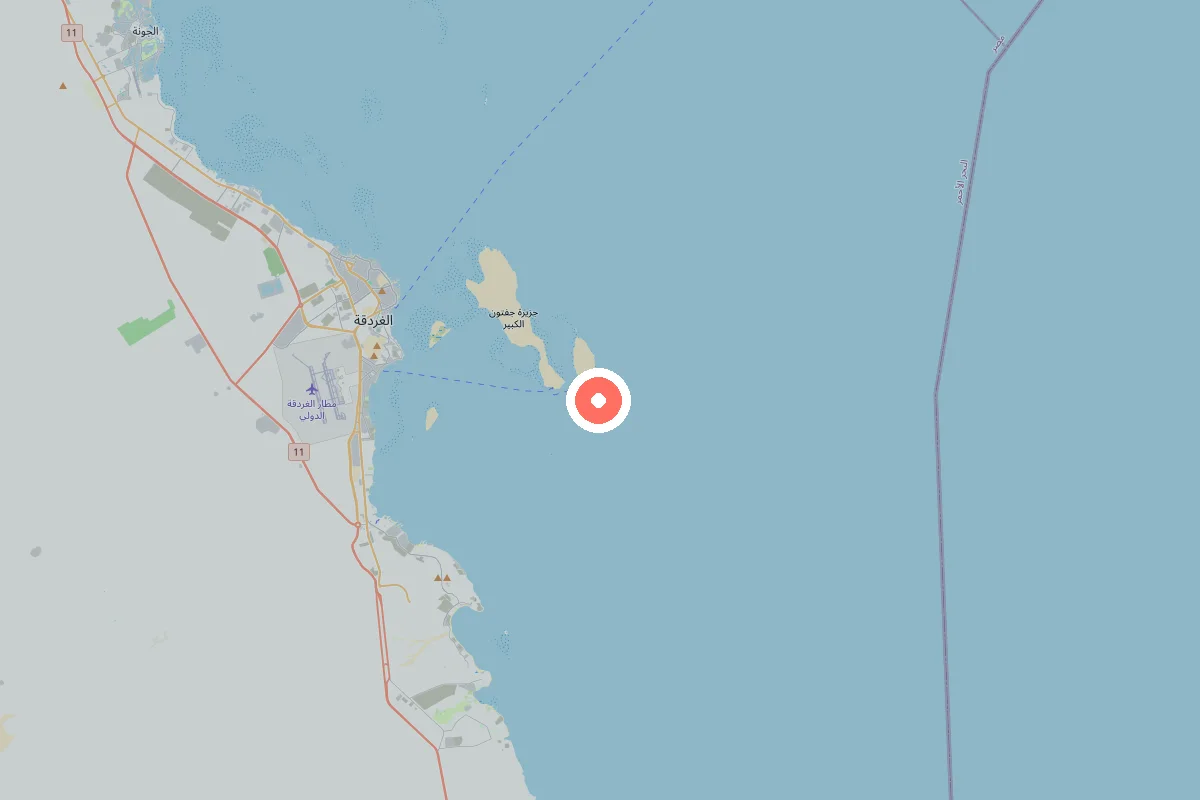
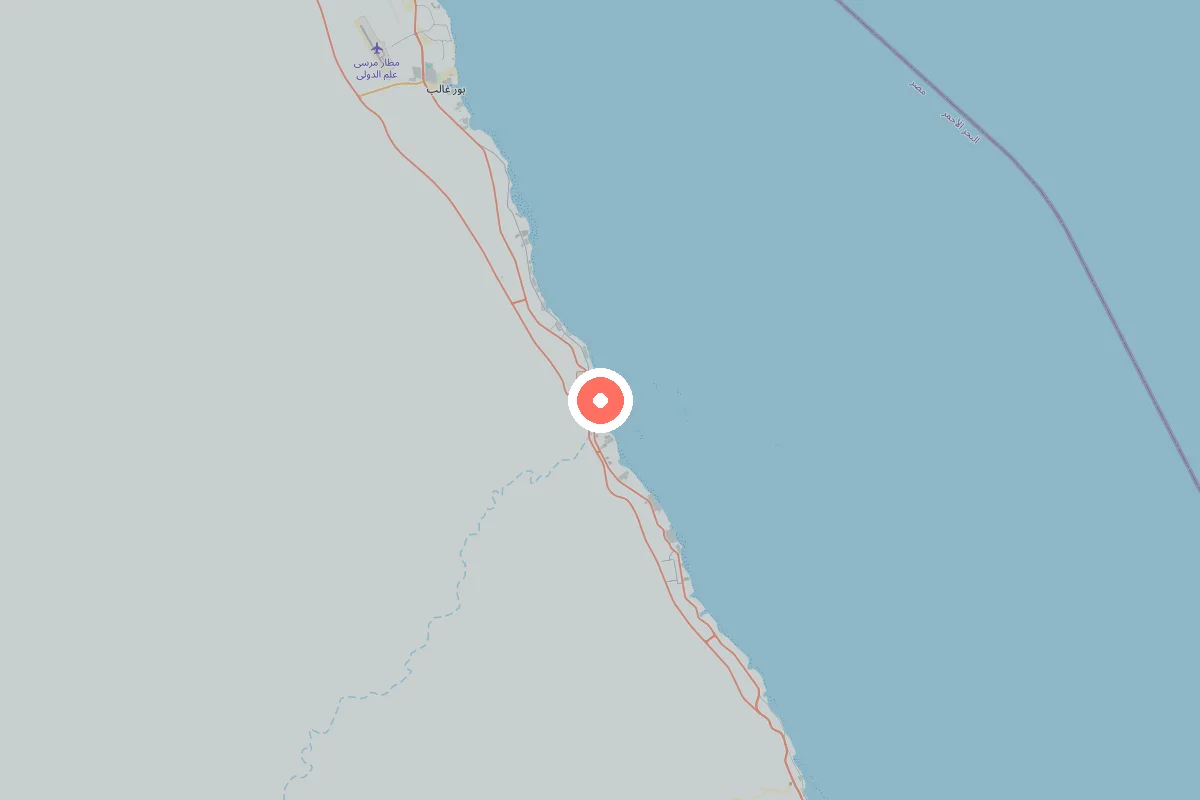
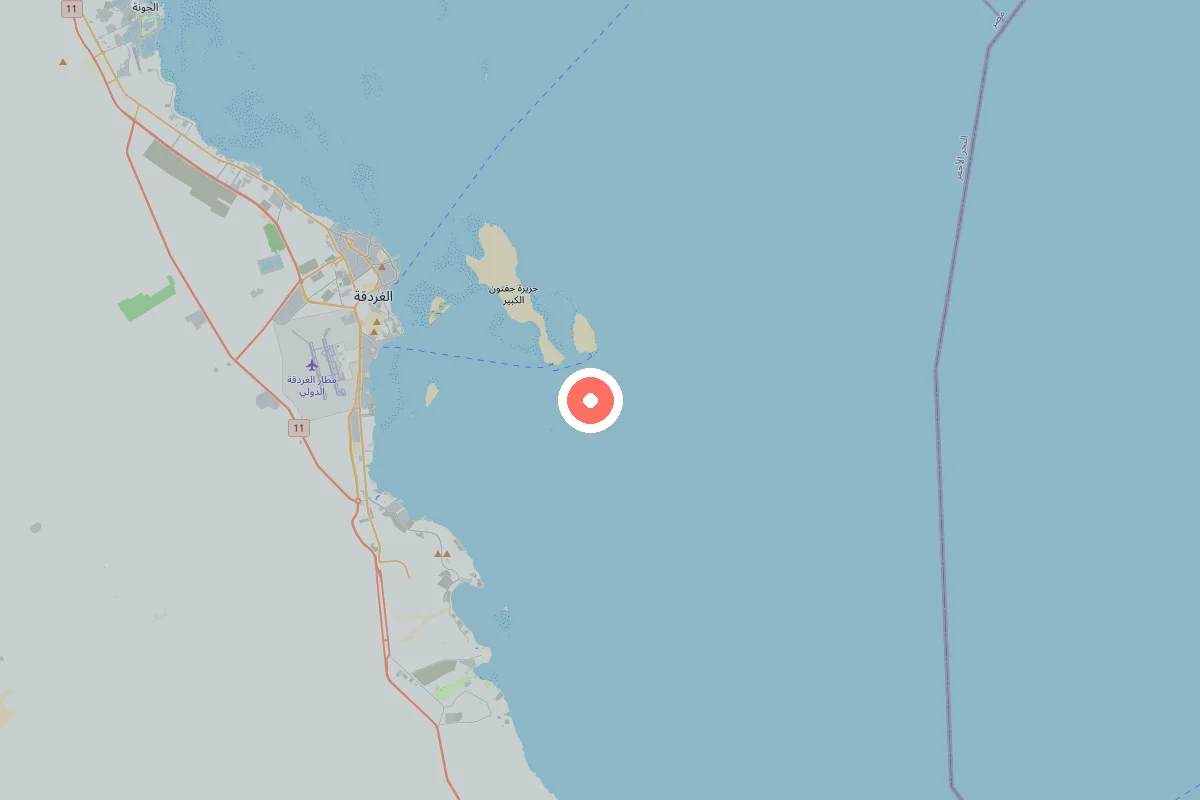
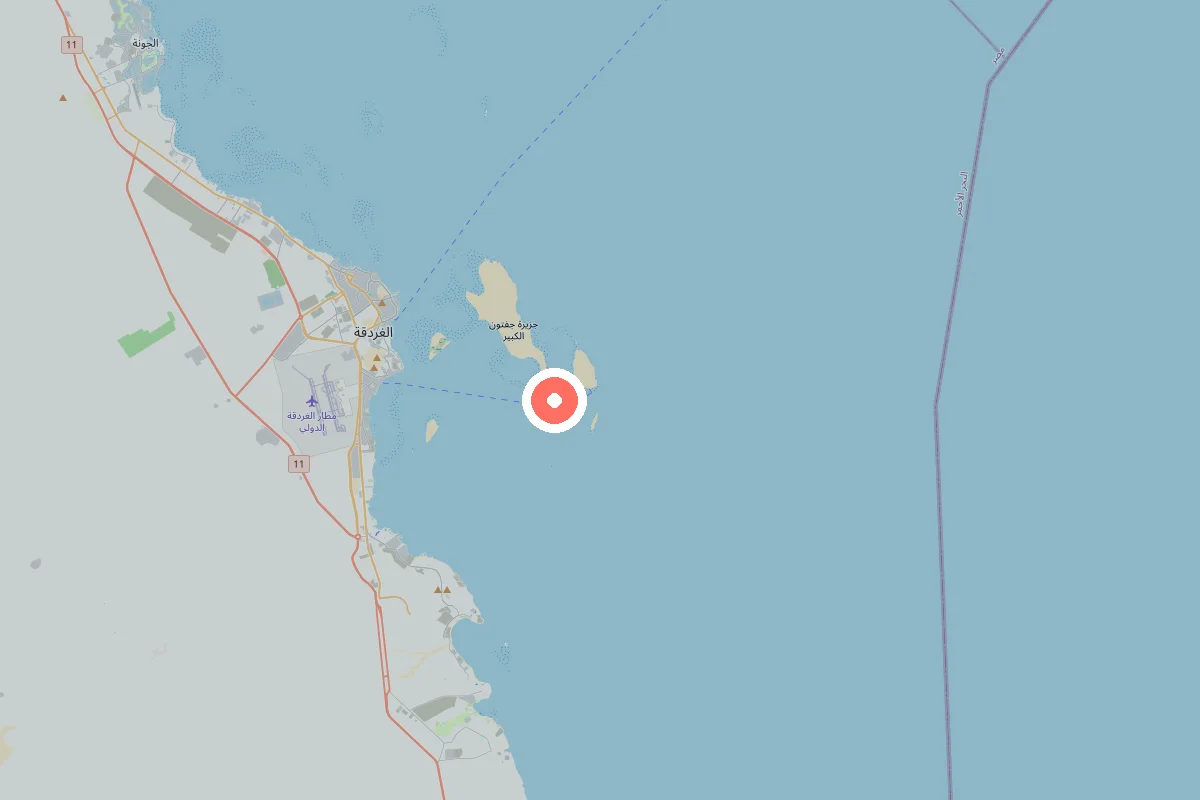
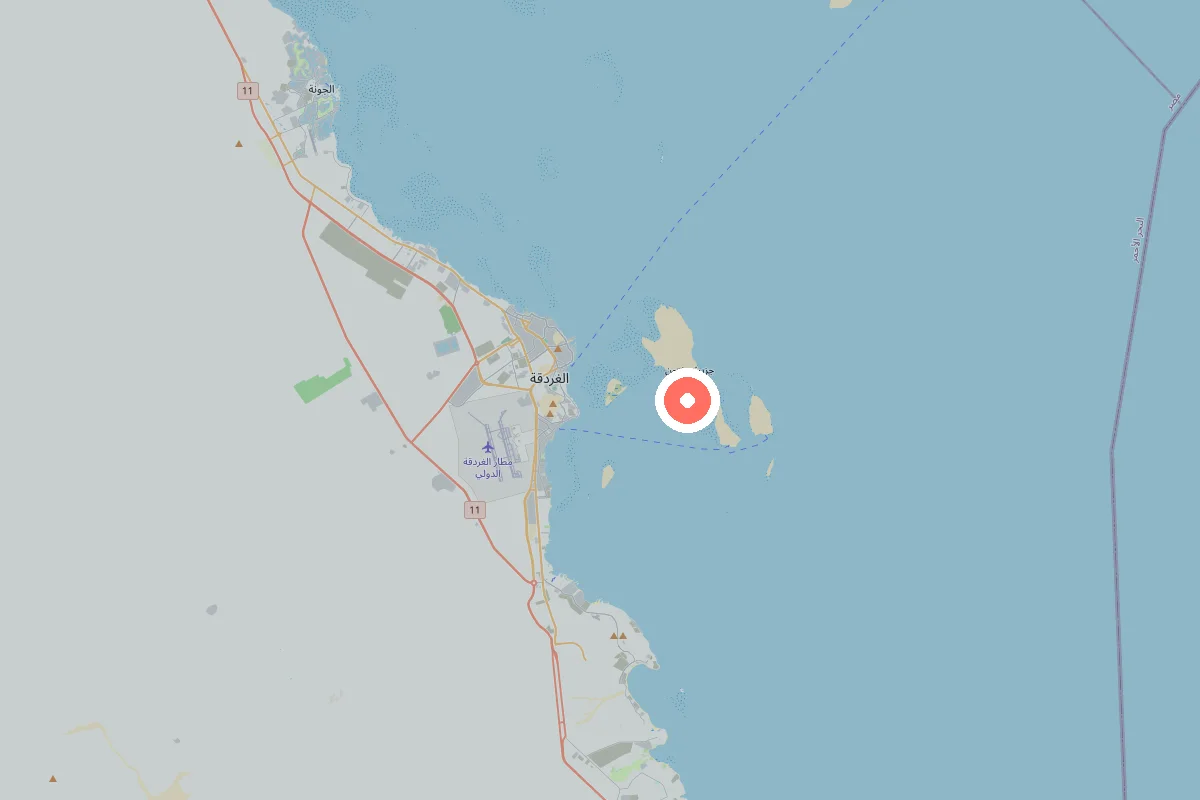
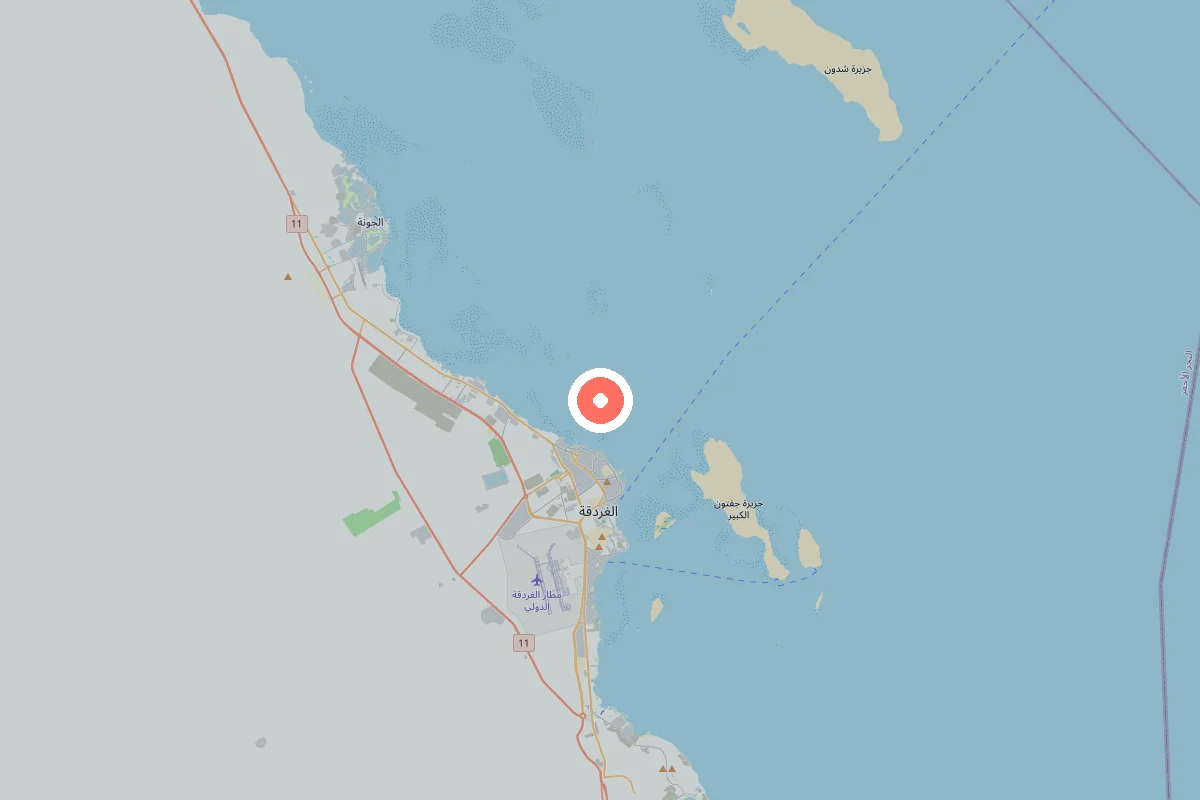
El Fanadir 0–25 m Verified location map © OpenStreetMap

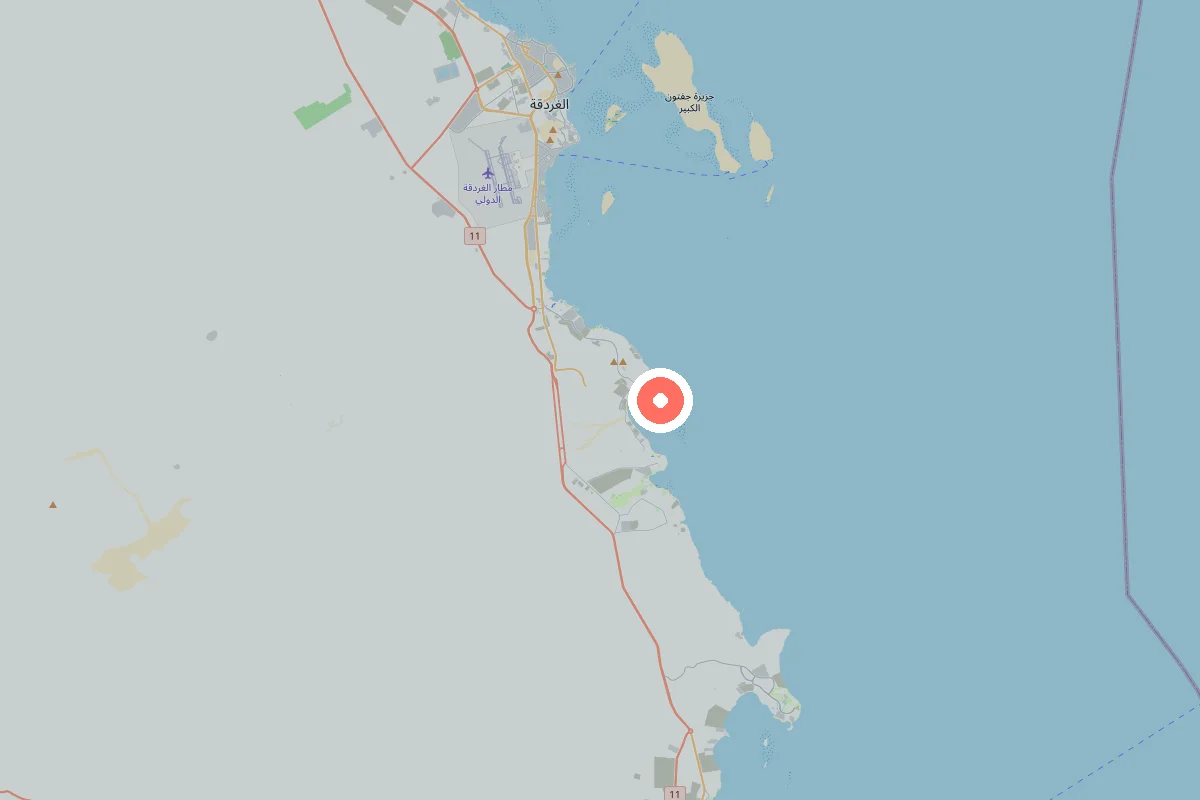
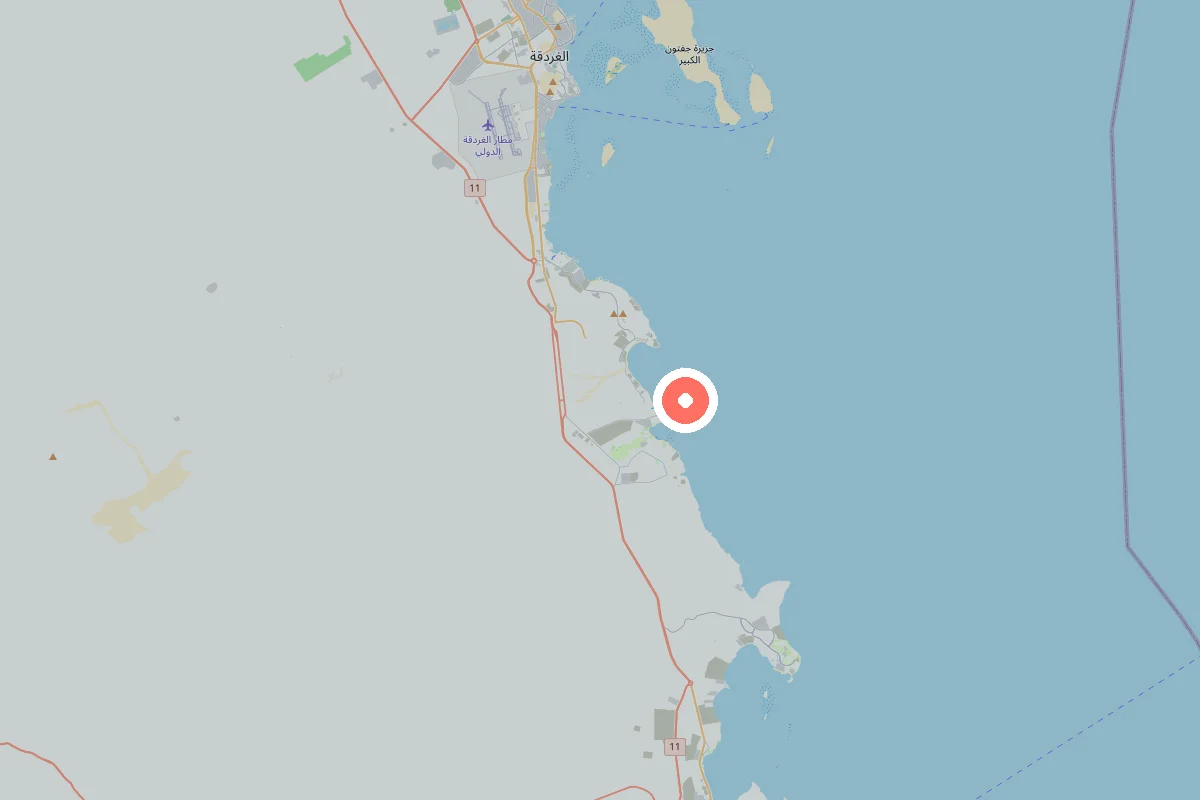
El Fanadir

Hurghada

Diving easy 0–25m 60 min
0.2 m · 3 kn · 26.9°C

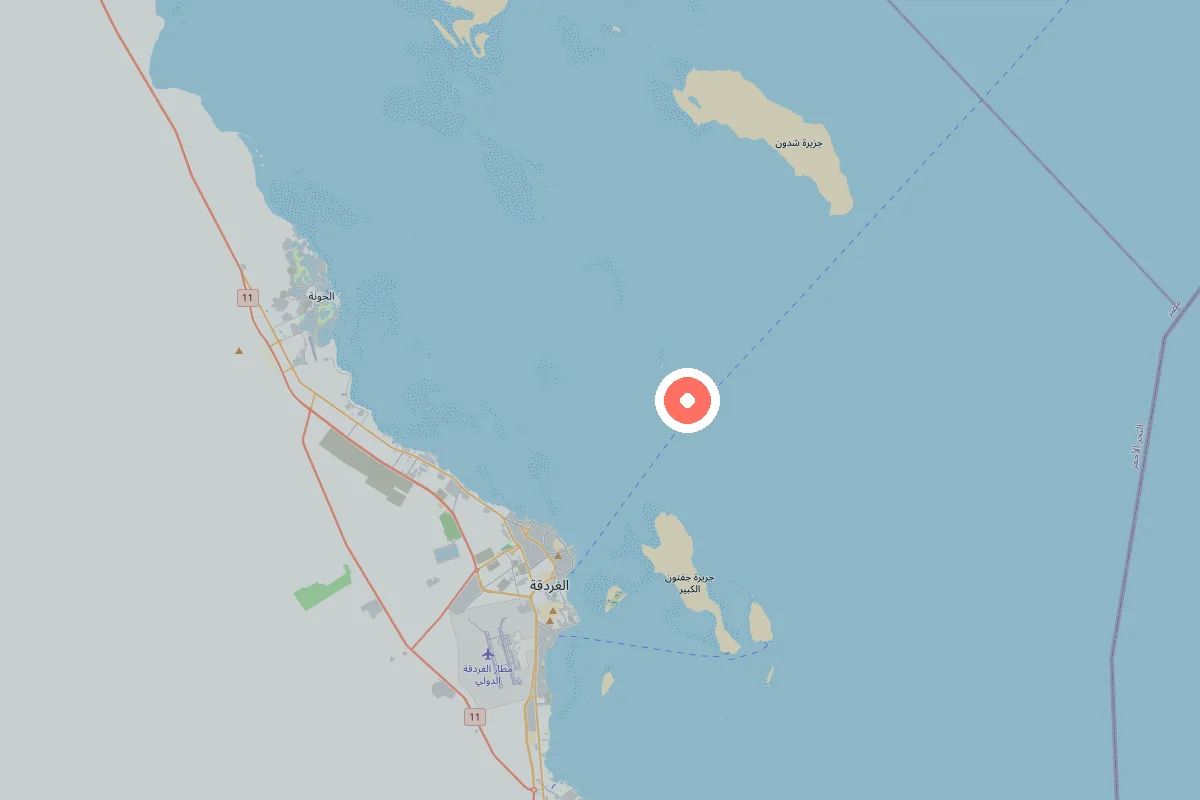
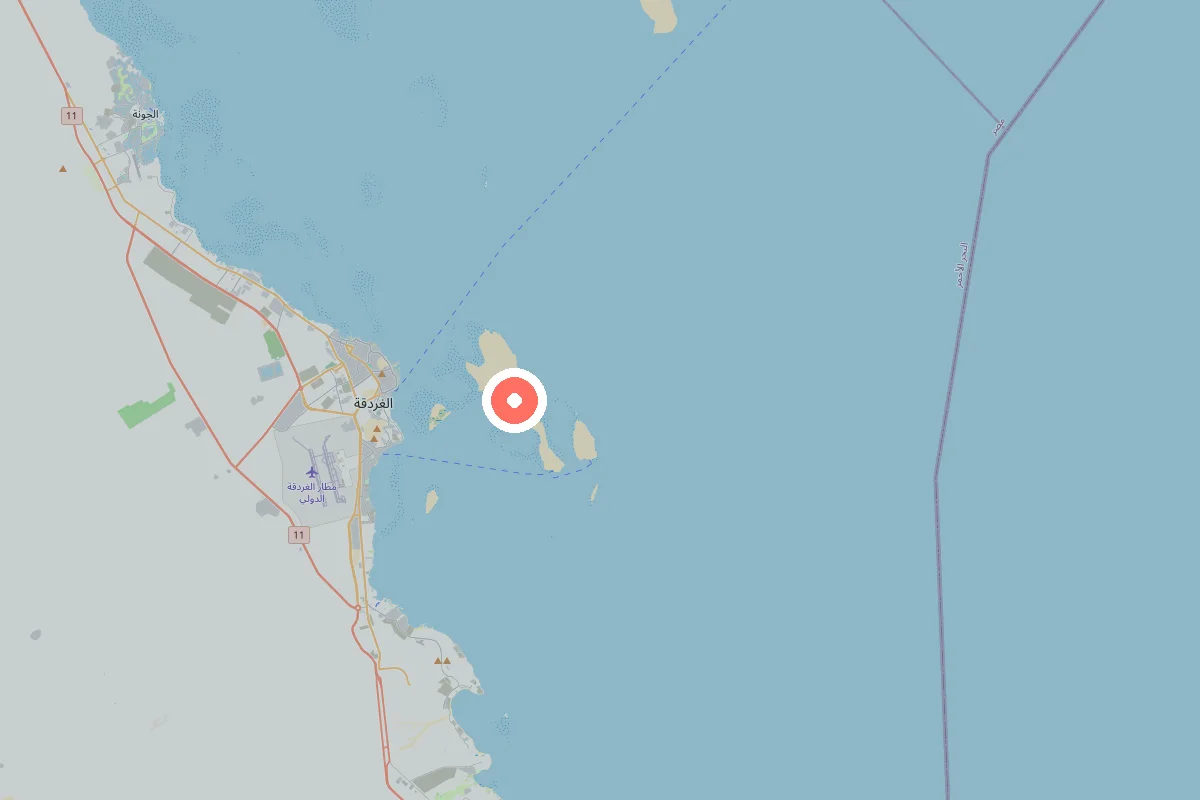
A long, gently sloping wall paired with a shallow lagoon, about an hour out from central Hurghada. The wall runs down to a drop-off around 20-25 metres, riddled with small cracks and caves that shelter an unusually wide range of marine life for a site this easy to dive. A stand-out coral block sits at 12 metres with a busy cleaning station — one of the more reliable photo opportunities in the area.

Blue-spotted rays Yellow-edged, yellow-mouth & giant moray eels +2 more
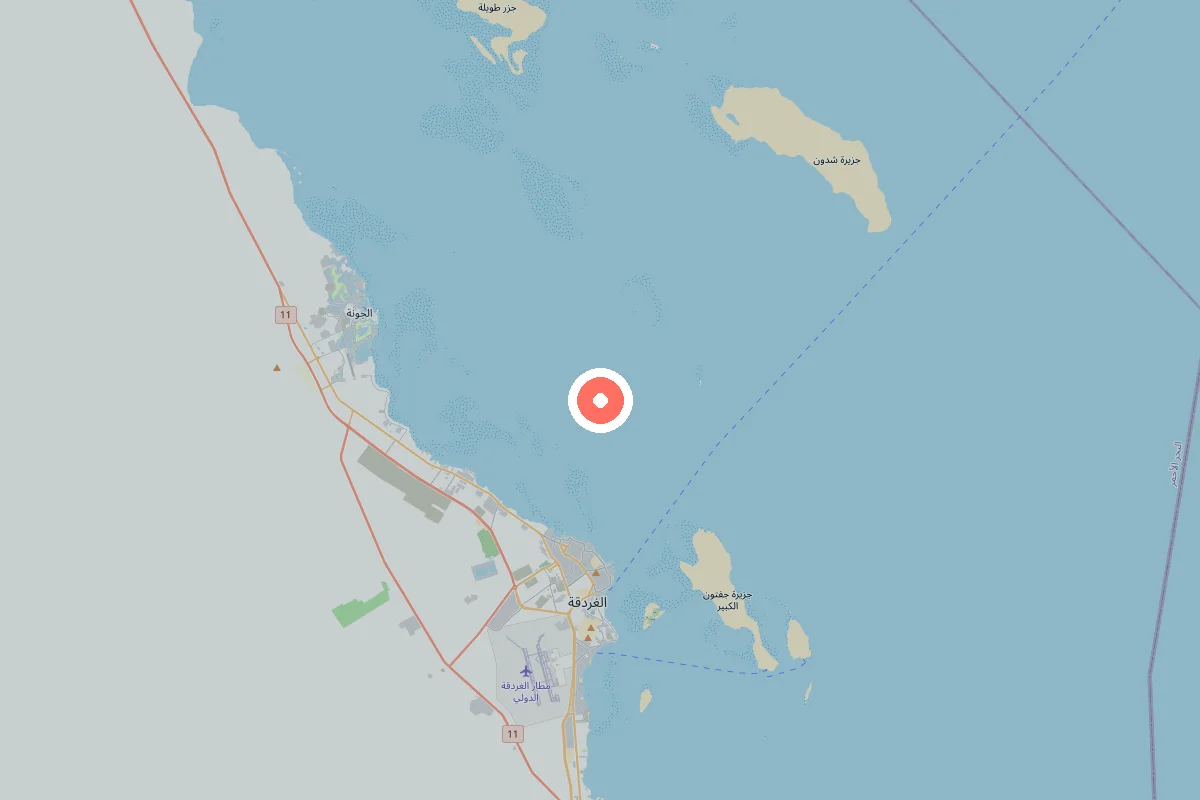
Shaab Abu Nugar 0–30 m Verified location map © OpenStreetMap

Shaab Abu Nugar

Hurghada

Diving moderate 0–30m 90 min
0.2 m · 3 kn · 25.9°C

A sprawling reef system roughly 90 minutes from Hurghada, large enough that local guides usually treat it as a full-day destination rather than a single stop. Its three main sections dive very differently: a drift past big table corals to the north, a compact reef small enough to circle in one dive to the east, and a pinnacle-to-pinnacle tour over a sandy floor to the south.

Nudibranchs Groupers & snappers at cleaning stations +1 more
Umm Gamaar 0–20 m Verified location map © OpenStreetMap

Umm Gamaar

Hurghada

Diving moderate 0–20m 90 min
0.3 m · 2 kn · 27.1°C

An island reef with a dramatic wall running along both its east and west sides, more exposed to weather than sites closer to shore. On a calm day it's one of the more rewarding sites in the area: white tip reef sharks occasionally patrol the wall, and it's one of the few spots near Hurghada where a manta ray sighting gets reported now and then.

White tip reef sharks (occasional) Manta ray (rare) +2 more
Carless Reef 12–25 m Verified location map © OpenStreetMap

Carless Reef

Hurghada

Diving hard 12–25m 60 min
0.3 m · 2 kn · 27.1°C

Two large pinnacles rising abruptly from deep water, surrounded by a coral-garden plateau that slopes into a sheer drop-off. Needs settled weather and some diver experience, but rewards it: the current here — unpredictable in direction — feeds an unusually rich food chain, and lucky early groups occasionally encounter hammerhead sharks.

Moray eels (very common, camera-friendly) Hammerhead sharks (rare, early groups) +1 more
Erg Abu Ramada (Camel Reef) 10–60 m Verified location map © OpenStreetMap

Erg Abu Ramada (Camel Reef)

Hurghada

Diving hard 10–60m 80 min
0.2 m · 3 kn · 27.1°C

Also known locally as Camel Reef: a big pinnacle formation with three peaks on a long plateau, terracing down well past recreational limits. Strong current keeps the site in pristine condition — soft corals and anthias cover the erg, with glassfish sheltering in caverns from resident scorpionfish and lionfish.

Moray eels with napoleon wrasse Crocodilefish +2 more
Abu Hashish 6–60 m Verified location map © OpenStreetMap

Abu Hashish

Hurghada

Diving easy 6–60m 90 min
0.2 m · 4 kn · 27.1°C

An island wrapped in an extensive reef sitting on a flat sandy plateau that ends in a steep drop-off past 60 metres. A shallow lagoon at the southern end, dotted with coral pinnacles, shelters the moorings and doubles as a calm training area. The classic route threads a narrow channel through the reef out to the drop-off and returns along the wall; local lore says the island is named after contraband once smuggled through here.

Bigfin reef squid hovering in formation Hooded cuttlefish +1 more
Banana Reef 14–22 m Verified location map © OpenStreetMap

Banana Reef

Hurghada

Diving easy 14–22m 90 min
0.3 m · 3 kn · 27.0°C

A crescent-shaped reef — hence the name — enclosing a sloping coral garden and two superb pinnacles that rise from 14-17 metres, both smothered in soft corals. The tide funnelling through the area usually calls for a drift dive, keeping the main wall in sight for navigation. In the southeast corner, at 14 metres, an "anemone city" houses hundreds of anemonefish guarding their young.

Anemone city with hundreds of anemonefish Eagle rays & feather-tailed rays +2 more
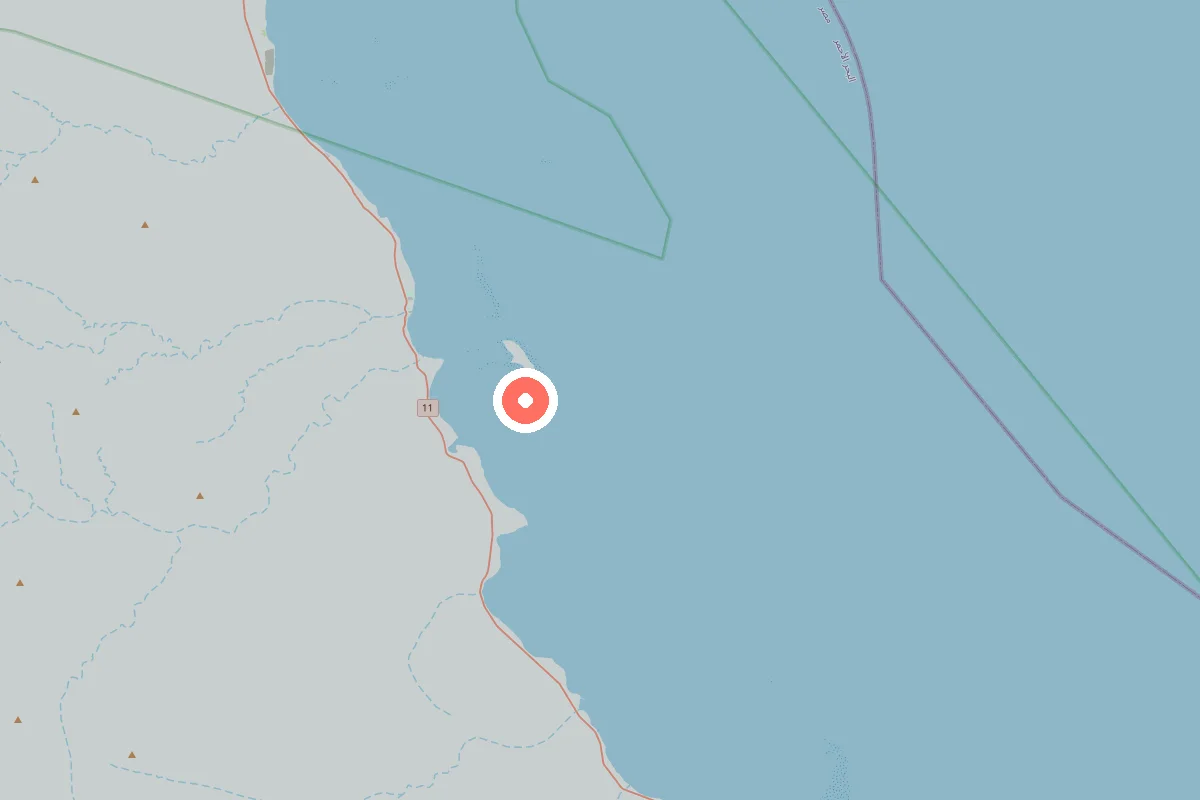
El Erug 12–14 m Verified location map © OpenStreetMap

El Erug

Hurghada

Diving easy 12–14m 60 min
0.2 m · 2 kn · 27.1°C

Not one site but three: Erug Diana, Erug Giftun and Erug Gigi — clusters of seven, seven and eleven coral pinnacles spread over a vast sandy plain north of Gota Abu Ramada. With so many look-alike towers, navigation by compass, current or sun angle matters more here than depth. The pinnacle tops are the prettiest part, which makes the safety stop one of the highlights of the dive.

Several species of moray eel Typical Red Sea reef fish around every pinnacle
Elphinstone Reef 10–70 m Verified location map © OpenStreetMap

Elphinstone Reef

Marsa Alam

Diving hard 10–70m 45 min
0.4 m · 5 kn · 28.4°C

The crown jewel of Marsa Alam diving: a narrow reef roughly 300 metres long, sitting about 12 km offshore and dropping away in sheer walls on every side. The two long flanks fall past 70 metres into deep blue, while the northern and southern plateaus are the stage for its famous encounters. This is exposed, current-swept, big-water diving — reserved for experienced divers comfortable with drift and negative entries — and the reward is some of the best pelagic action in the Red Sea, headlined by oceanic whitetip sharks and, in season, schooling hammerheads.

Oceanic whitetip sharks (longimanus) Hammerhead sharks (seasonal) +4 more
El Minya Wreck 17–32 m Verified location map © OpenStreetMap

El Minya Wreck

Hurghada

Diving hard 17–32m 10 min
0.2 m · 3 kn · 26.9°C

An Egyptian minesweeper sunk by air attack in 1970, lying on her port side only ten minutes from the harbour — 25 metres beneath the bow, 32 at the stern, with the top of the hull at 17. The blast hole that sank her is still obvious, the hull is peppered with machine-gun holes, and the rudder and propeller sit intact below the stern. Bridge and radio room can be viewed through portholes without entering; live ammunition remains on site, so the rule is strict: touch nothing.

Historic 1970 warship wreck Intact propeller, rudder & anchor +2 more
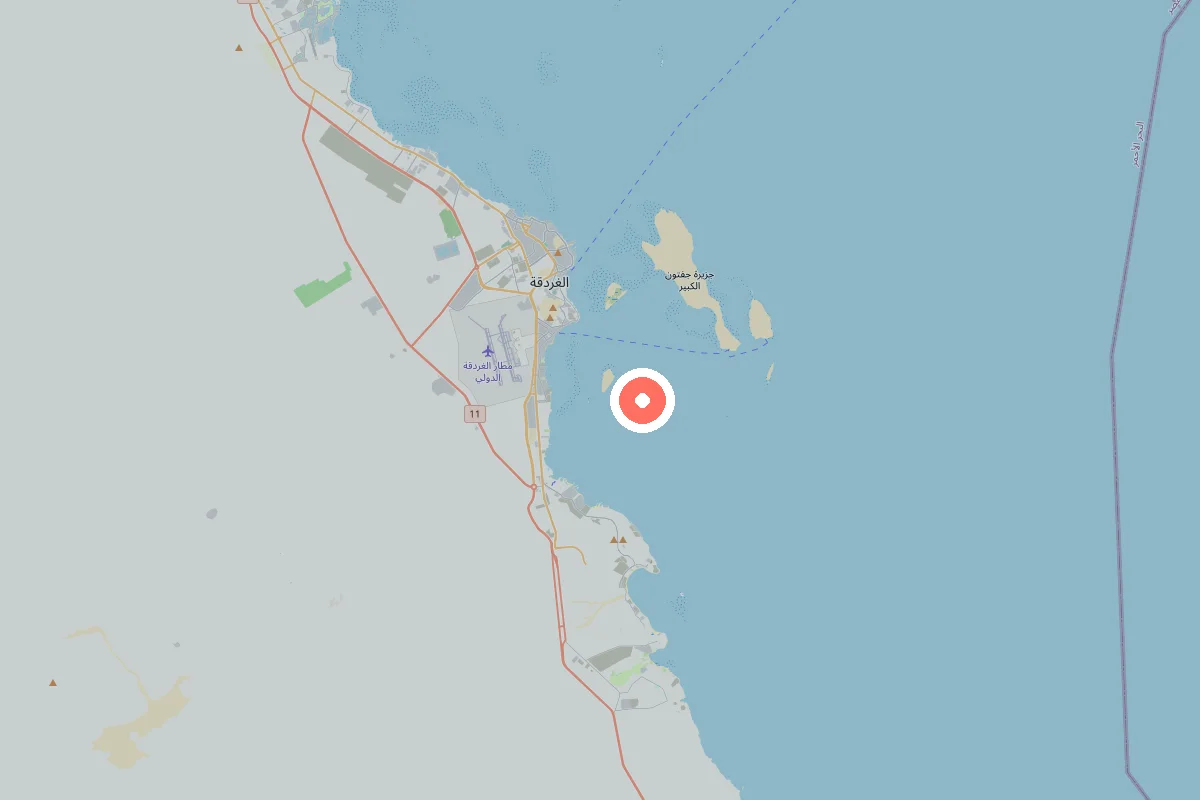
Habili Nakari 10–35 m Verified location map © OpenStreetMap

Habili Nakari

Marsa Alam

Diving hard 10–35m 40 min
0.3 m · 7 kn · 28.3°C

A classic offshore "habili" — a coral pinnacle rising from the deep that never quite breaks the surface. Its walls are cloaked top to bottom in healthy hard and soft corals and swarmed by clouds of anthias and glassfish, while the surrounding blue draws in passing pelagics. The frequently brisk current keeps the coral pristine and the fish life busy, making Nakari a favourite for divers who want colour, life and a touch of adventure in one dive. Depths run from about 10 metres at the top to 35 metres and beyond at the base.

Barracuda & trevally Reef sharks (occasional) +3 more
Erg Sabina 10–12 m Verified location map © OpenStreetMap

Erg Sabina

Hurghada

Diving easy 10–12m 90 min
0.3 m · 3 kn · 27.0°C

A small coral tower rising from a flat sandy bottom at 10-12 metres, ringed by coral blocks and table corals. Small does not mean poor: the north face is the richest, big brain corals nearby hold schooling fish facing the current, and about fifty metres north a tiny second erg packed with soft coral and glassfish rewards divers who take their time getting there.

Turtles & eagle rays Napoleon wrasse +2 more
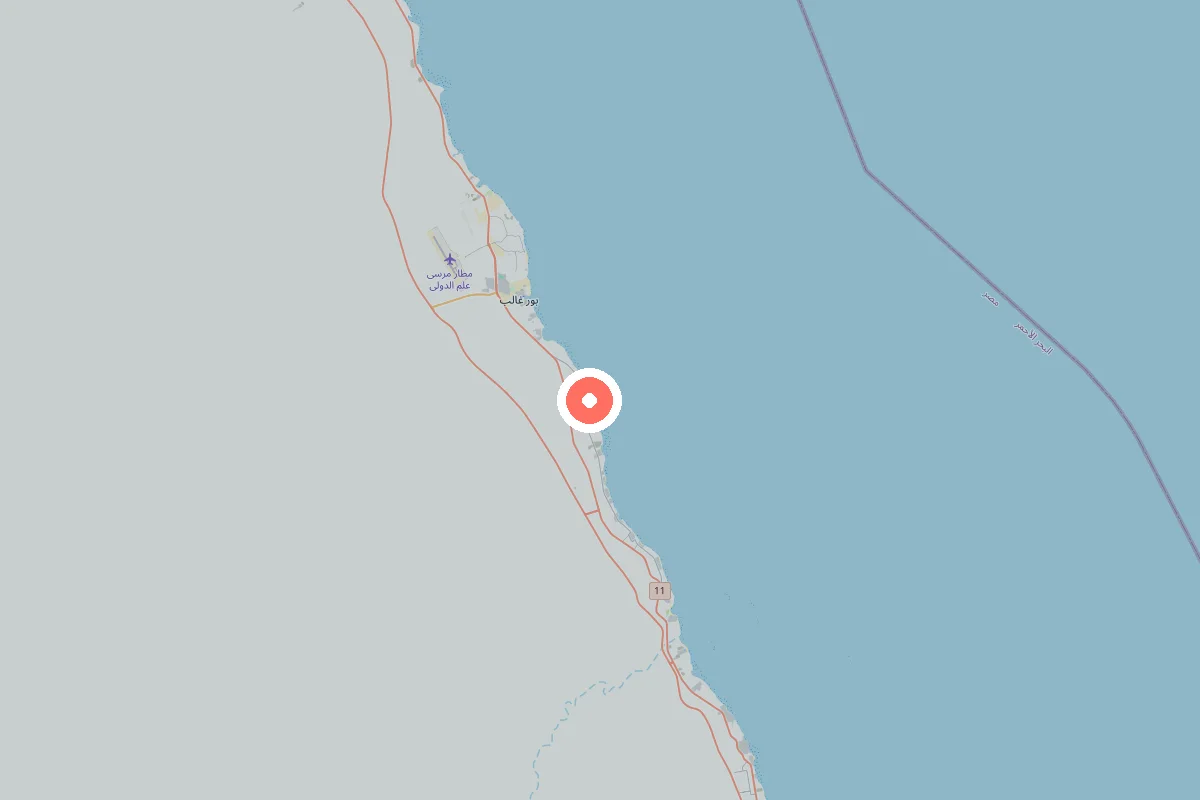
Habili Ghadeer 10–35 m Verified location map © OpenStreetMap

Habili Ghadeer

Marsa Alam

Diving hard 10–35m 40 min
0.3 m · 7 kn · 28.8°C

A sister pinnacle to Habili Nakari and dived in much the same spirit: a solitary coral tower rising from deep water, its steep sides covered in soft corals, gorgonians and swirling reef fish. Circling the habili takes you through changing light and current, with a real chance of larger visitors — tuna, trevally and the occasional reef shark — cruising the surrounding blue. Depths of roughly 10 to 35 metres and moderate-to-strong current make it a rewarding site for confident, current-comfortable divers.

Tuna & giant trevally Reef sharks (occasional) +3 more
Erg Somaya 5–60 m Verified location map © OpenStreetMap

Erg Somaya

Hurghada

Diving moderate 5–60m 75 min
0.2 m · 3 kn · 27.1°C

Just north of the Police Station on Small Giftun, the vertical wall turns into a shelf crowned by an erg that reaches to within 5 metres of the surface. Further north a steeply sloping wall carries a series of coral towers stretching into the blue, draped in soft corals and gorgonians. A chimney at the shelf's northeast corner can be entered at 30 metres and exited at 22, and the erg itself makes a near-perfect safety stop.

Barracuda, snapper, jackfish & tuna Coral towers with anthias & butterflyfish +1 more
Dream Reef 10–30 m Verified location map © OpenStreetMap

Dream Reef

Marsa Alam

Diving moderate 10–30m 35 min
0.3 m · 2 kn · 28.5°C

A beautifully varied reef that lives up to its name, with a mix of coral gardens, small pinnacles and gentle slopes that suit almost everyone. Visibility is typically an excellent 20 to 30 metres, and the moderate depth range of 10 to 30 metres lets beginners stay shallow while more experienced divers explore the deeper coral heads. Calm, colourful and full of reef life, it is a popular choice for relaxed guided dives, training and photography.

Reef fish in abundance Hard & soft coral gardens +3 more
Fanous West 0–14 m Verified location map © OpenStreetMap

Fanous West

Hurghada

Diving easy 0–14m 30 min
0.3 m · 3 kn · 27.0°C

The gentler western twin of the Fanous reef: a flat sandy bottom along a shallow wall, a narrow channel opening into a 9-metre lagoon, and a coral garden sloping down to 14 metres with a few pinnacles further west. Dive it as an easy drift along the wall or potter out through the channel from the mooring — either way it is one of the most forgiving sites in Hurghada.

Nesting triggerfish (Aug–Sep) Giant moray eels +1 more
Banana Reef 5–25 m Verified location map © OpenStreetMap

Banana Reef

Marsa Alam

Diving easy 5–25m 30 min
0.4 m · 5 kn · 28.5°C

A long, banana-shaped fringing reef that curves along the coast, giving easy, sheltered diving over a gentle coral slope. Shallow depths and calm conditions make it a favourite for check dives, courses and unhurried second dives, while the healthy hard and soft corals and steady stream of reef fish keep it interesting for everyone. A dependable, feel-good site suitable for divers of all levels.

Reef fish & anthias Hard & soft corals +3 more
Hamda (Stone Beach) 0–50 m Verified location map © OpenStreetMap

Hamda (Stone Beach)

Hurghada

Diving easy 0–50m 70 min
0.3 m · 3 kn · 27.0°C

Known locally as Stone Beach or Lion's Head. A small wall drops from the reef top to 12-15 metres, then steps down in terraces past 35-50 metres, flanked by vertical walls to the north and south. Drifting from the north passes coral towers cut by caverns and swim-throughs; diving from the mooring circles a coral garden in excellent condition, including a gigantic green lettuce coral at around 30 metres almost directly under the boat.

Giant green lettuce coral at 30m Coral towers with swim-throughs +1 more
Sha'ab Marsa Alam 5–30 m Verified location map © OpenStreetMap

Sha'ab Marsa Alam

Marsa Alam

Diving moderate 5–30m 30 min
0.3 m · 2 kn · 28.5°C

A beautifully preserved reef system just a short boat ride from the Marsa Alam marina, combining shallow plateaus from around 5 metres with deeper drop-offs beyond 30 metres. Crystal-clear water — visibility routinely 20 to 30 metres — and colourful coral gardens make it a versatile site where beginners can stay shallow and experienced divers can work the walls, sometimes rewarded by larger species passing along the drop-off.

Colourful coral gardens Reef fish schools +3 more
Gota Abu Ramada (The Aquarium) 0–40 m Verified location map © OpenStreetMap

Gota Abu Ramada (The Aquarium)

Hurghada

Diving easy 0–40m 75 min
0.2 m · 2 kn · 27.1°C

Nicknamed "the Aquarium" for the sheer density of fish, this oval reef on a flat sandy bottom is one of the most loved sites in Hurghada. The east side holds three large pinnacles and a coral garden of cascading brain corals and tiny grottoes; the west side offers two soft-coral ergs, the northern one with three peaks full of cracks and overhangs. Shallow, bright and busy — an underwater photographer's playground.

Huge schools of bannerfish & masked butterflyfish Cascading brain corals & grottoes +1 more
Sha'ab Ghadeer 5–25 m Verified location map © OpenStreetMap

Sha'ab Ghadeer

Marsa Alam

Diving moderate 5–25m 30 min
0.3 m · 7 kn · 28.3°C

A pretty, sheltered reef of coral blocks, sandy patches and gentle slopes that is well suited to beginners and improving divers. Depths of about 5 to 25 metres and calm conditions make for long, relaxed dives among healthy corals and abundant reef fish, with the odd turtle or larger visitor to keep things exciting. A good all-round site for training and easy fun diving.

Reef fish & anthias Hard & soft corals +3 more
North Abu Ramada 20–100 m Verified location map © OpenStreetMap

North Abu Ramada

Hurghada

Diving hard 20–100m 80 min
0.2 m · 3 kn · 27.1°C

A plateau sloping gently from 20 to 35 metres off the northern tip of Abu Ramada Island before giving way to a vertical wall that drops past 100 metres. With a north current it is a superb drift: cross the plateau to the drop-off, find the chimney that cuts from 30 up to 24 metres right where plateau meets wall, then multi-level up to finish in the sunlit shallows of the top reef.

Giant barracuda, bigeye trevally & yellowfin tuna Squadrons of eagle rays (up to a dozen reported) +1 more
Marsa Abu Dabbab 5–18 m Verified location map © OpenStreetMap

Marsa Abu Dabbab

Marsa Alam

Diving & snorkeling easy 5–18m 25 min
0.4 m · 2 kn · 28.4°C

One of the most famous and accessible sites in Marsa Alam: a wide, calm, sandy bay with lush seagrass beds that offer the rare chance to encounter dugongs (sea cows) and green sea turtles grazing in the shallows. Depths run a gentle 5 to 18 metres with easy shore access and healthy coral along both sides of the bay. Guitarfish rest half-buried in the sand and macro life abounds, making it a paradise for snorkelers, beginner divers, photographers and families.

Dugongs (sea cows) Green sea turtles +3 more
South Abu Ramada 5–35 m Verified location map © OpenStreetMap

South Abu Ramada

Hurghada

Diving easy 5–35m 80 min
0.2 m · 3 kn · 27.1°C

A terraced plateau beneath a shallow wall at the southern tip of Abu Ramada Island, stretching west as a shelf toward a drop-off. The route reads like a treasure map: an eel garden halfway across the shelf, a hill-shaped coral formation clinging to the drop-off edge, a chain of pinnacles leading home — and the wreck of an old safari boat resting on a raised coral garden at 5 metres, which turns the safety stop into a bonus dive.

Safari-boat wreck at 5m Garden eels swaying in the current +2 more
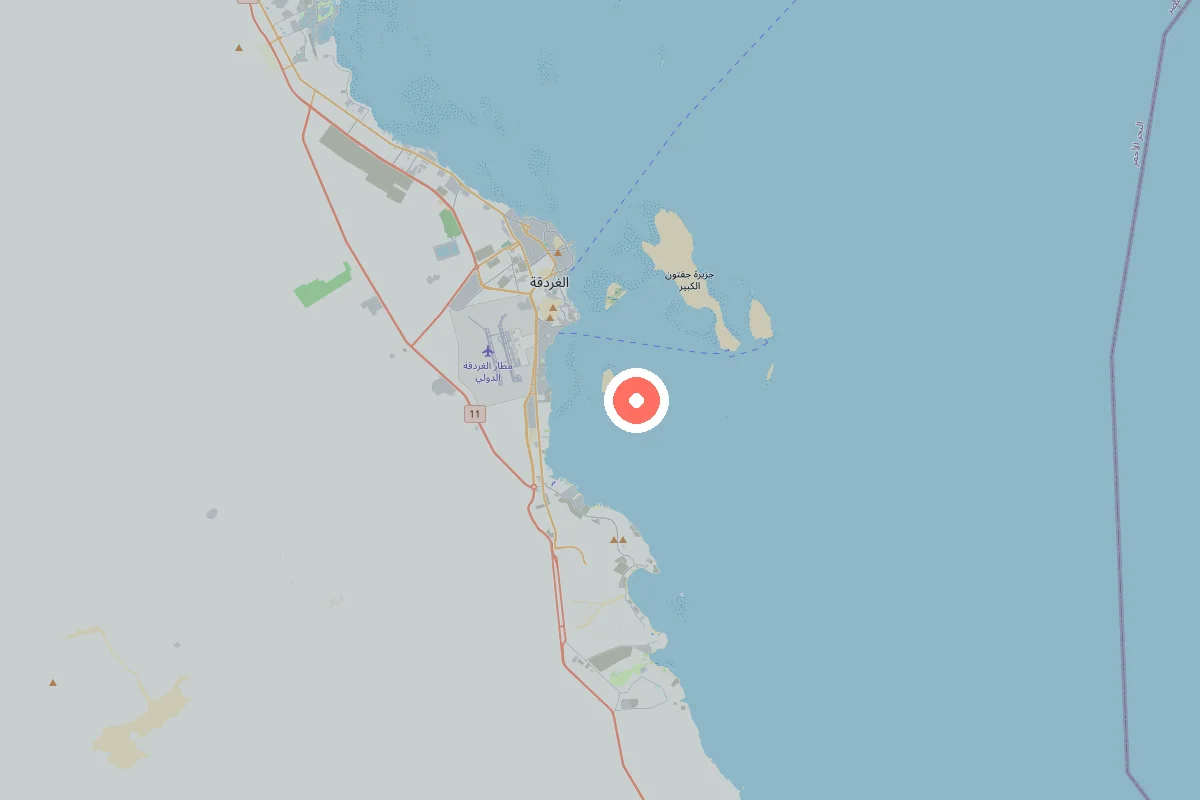
Marsa Samadai (Dolphin House) 5–20 m Verified location map © OpenStreetMap

Marsa Samadai (Dolphin House)

Marsa Alam

Diving & snorkeling easy 5–20m 40 min
0.3 m · 7 kn · 28.4°C

Better known as Dolphin House, Sha'ab Samadai is a horseshoe-shaped reef and protected marine sanctuary that shelters a resident pod of spinner dolphins. Access to the zone is regulated, so encounters are respectful and reliable, and the sheltered inner lagoon — shallow, light-filled and dotted with coral gardens and pinnacles — is superb for snorkelers and beginner divers. Depths of about 5 to 20 metres, calm water and rich reef life round out one of the region's signature experiences.

Spinner dolphins (resident pod) Coral gardens & pinnacles +3 more
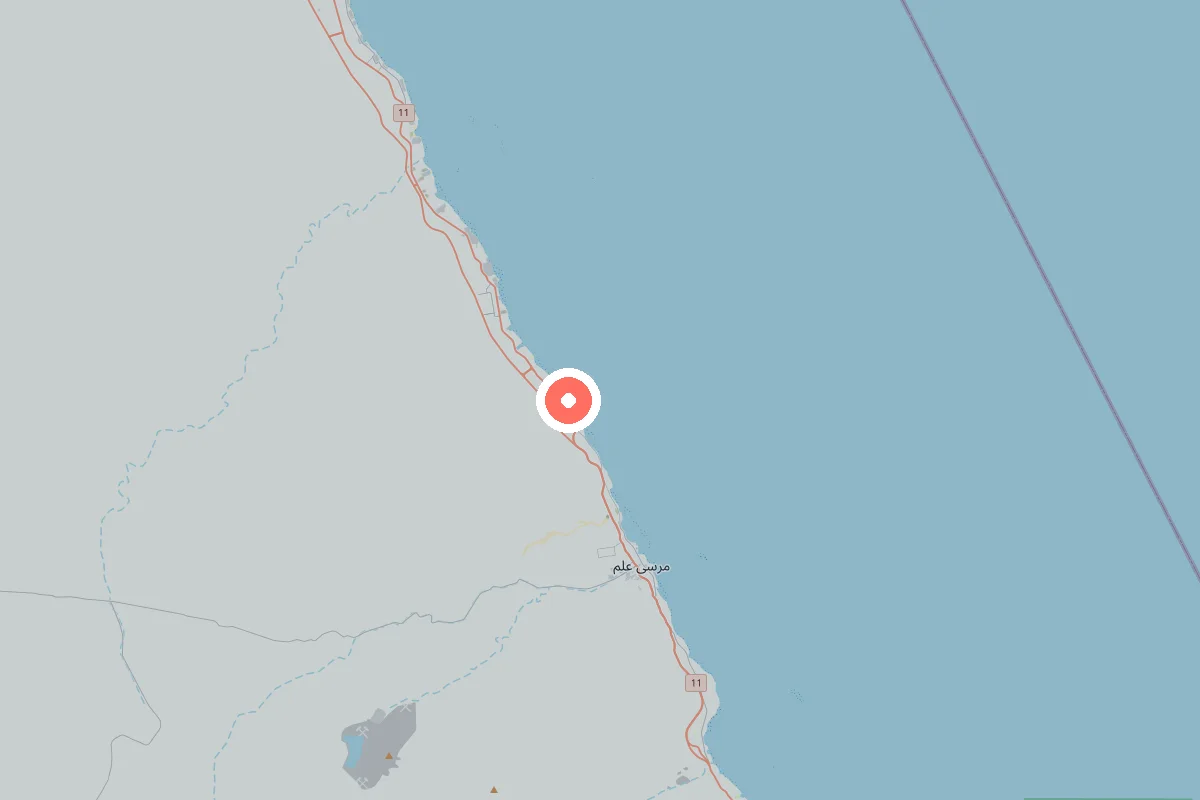
North Umm Gamaar 0–40 m Verified location map © OpenStreetMap

North Umm Gamaar

Hurghada

Diving moderate 0–40m 90 min
0.3 m · 2 kn · 27.1°C

A bend in the Umm Gamaar reef where a sandy slope runs past two big coral blocks into very deep water — vertical wall to the south, steep slope to the north. Start deep at the coral blocks, follow the wall north to the current split point, then work shallower toward the moorings; with air to spare there is a small cave at 8 metres before a picture-perfect safety stop on the reef top.

Big schools of anthias, snapper & sweetlips Every common Red Sea butterflyfish +2 more
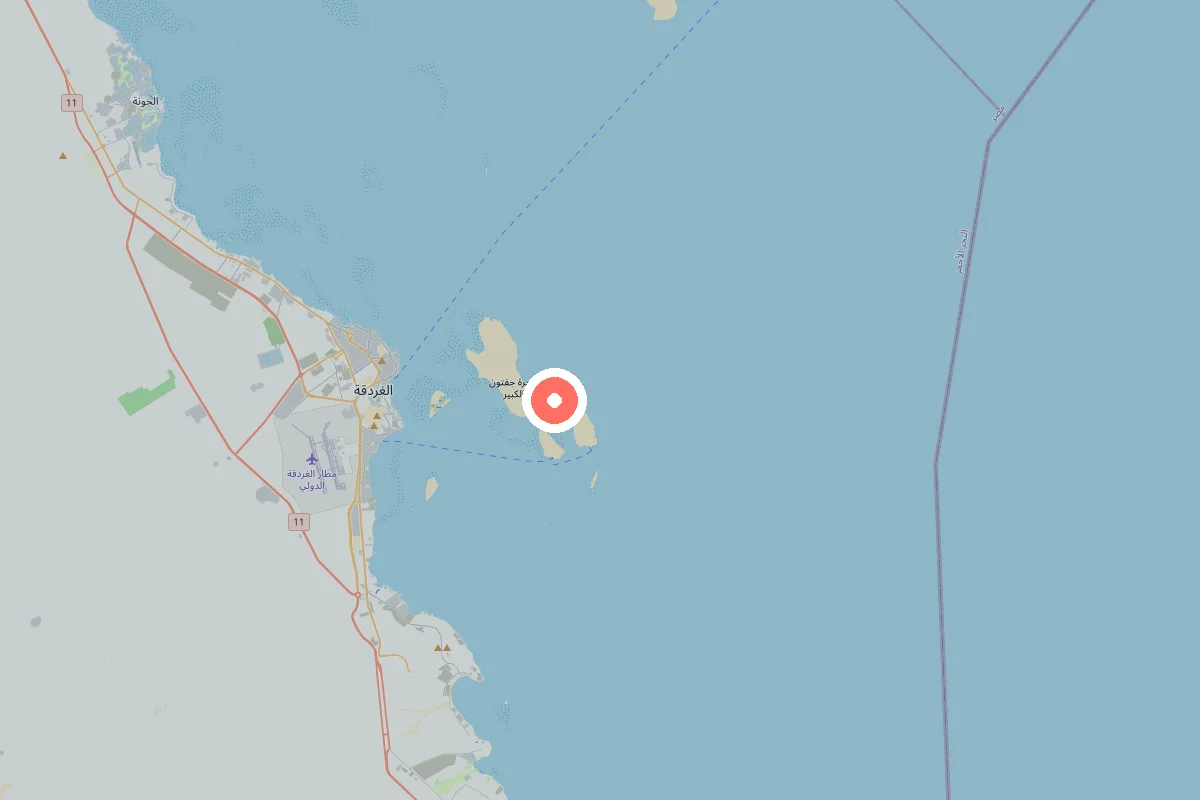
Abu Ghusun (Hamada Wreck) 5–18 m Verified location map © OpenStreetMap

Abu Ghusun (Hamada Wreck)

Marsa Alam

Diving & snorkeling easy 5–18m 60 min
0.3 m · 7 kn · 28.7°C

Near the village of Abu Ghusun, south of Marsa Alam, lies the Hamada — a cargo ship that sank in 1993 and now rests on a sandy seabed just off the shore in only 5 to 18 metres of water. Its shallow depth makes it one of the very few wrecks accessible to beginner divers and even snorkelers. Decades underwater have turned it into a thriving artificial reef, encrusted with hard and soft corals and wrapped in glassfish and colourful reef species — a fascinating, easy blend of history, marine life and photography.
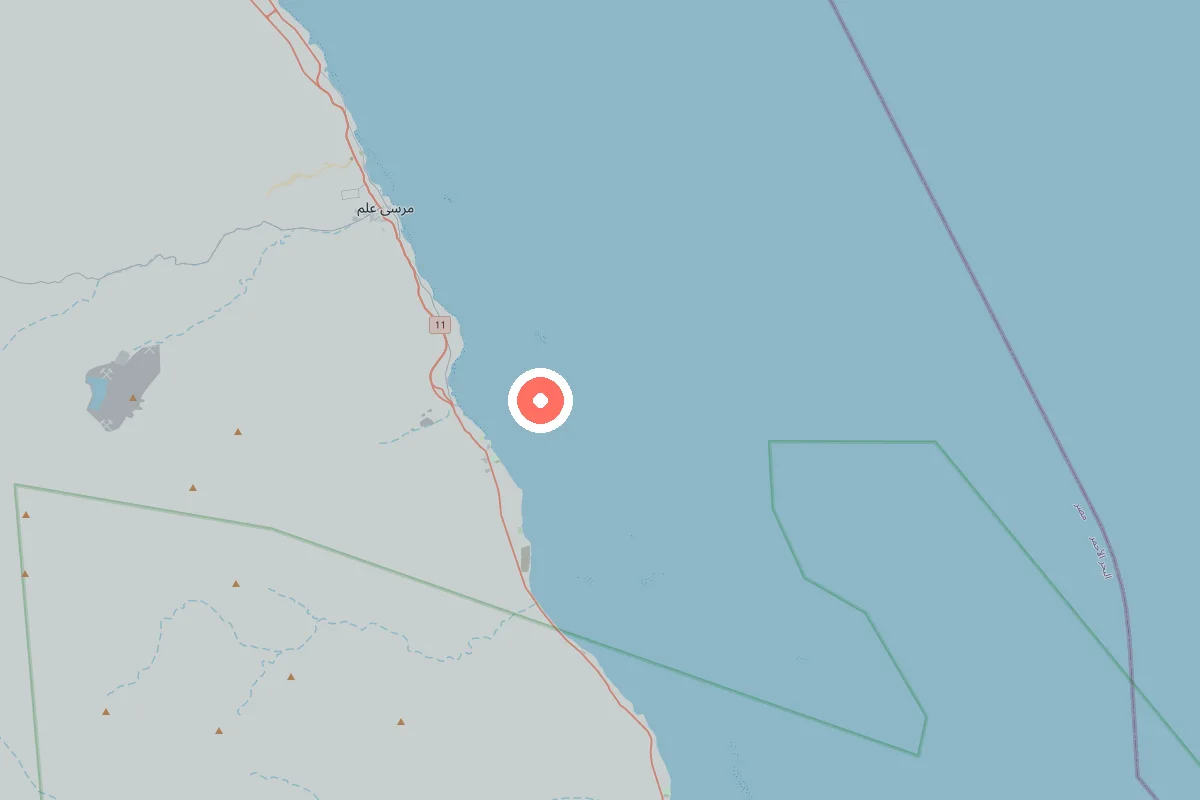
The Hamada wreck (sank 1993) Glassfish clouds +3 more
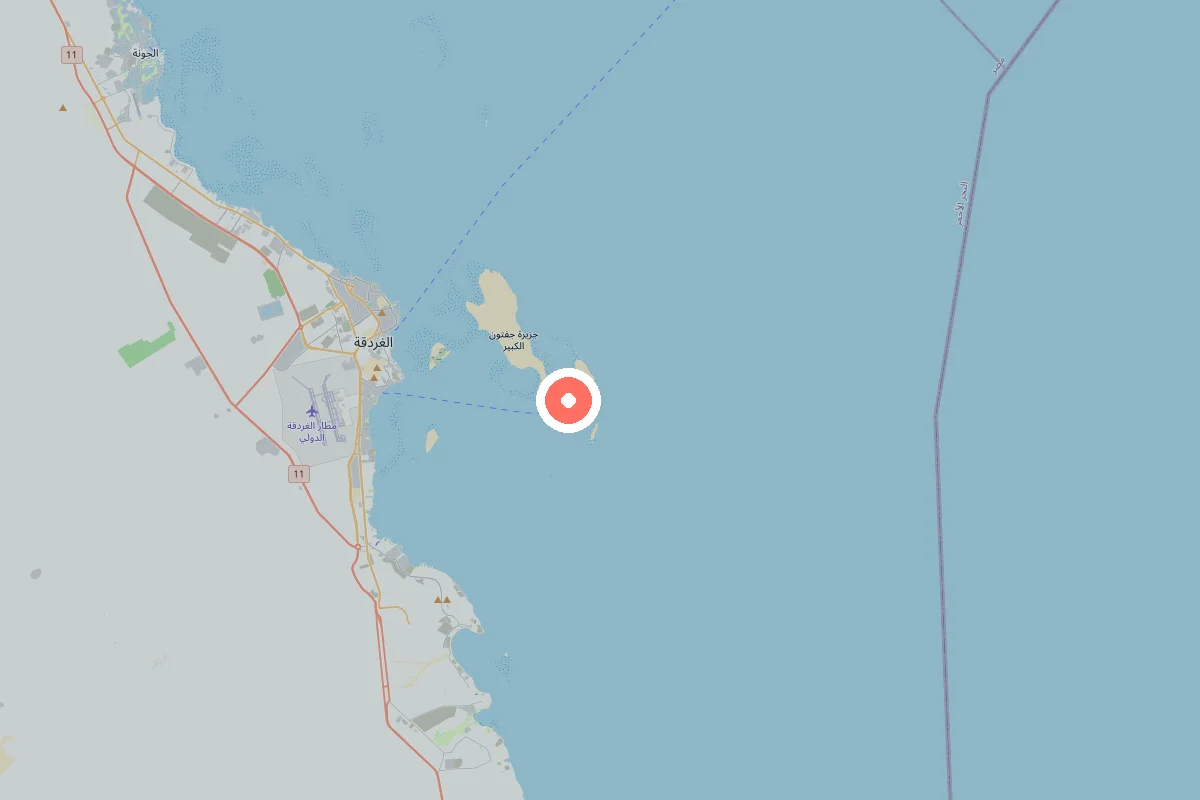
Shabruhr Umm Gamaar 15–30 m Verified location map © OpenStreetMap

Shabruhr Umm Gamaar

Hurghada

Diving moderate 15–30m 90 min
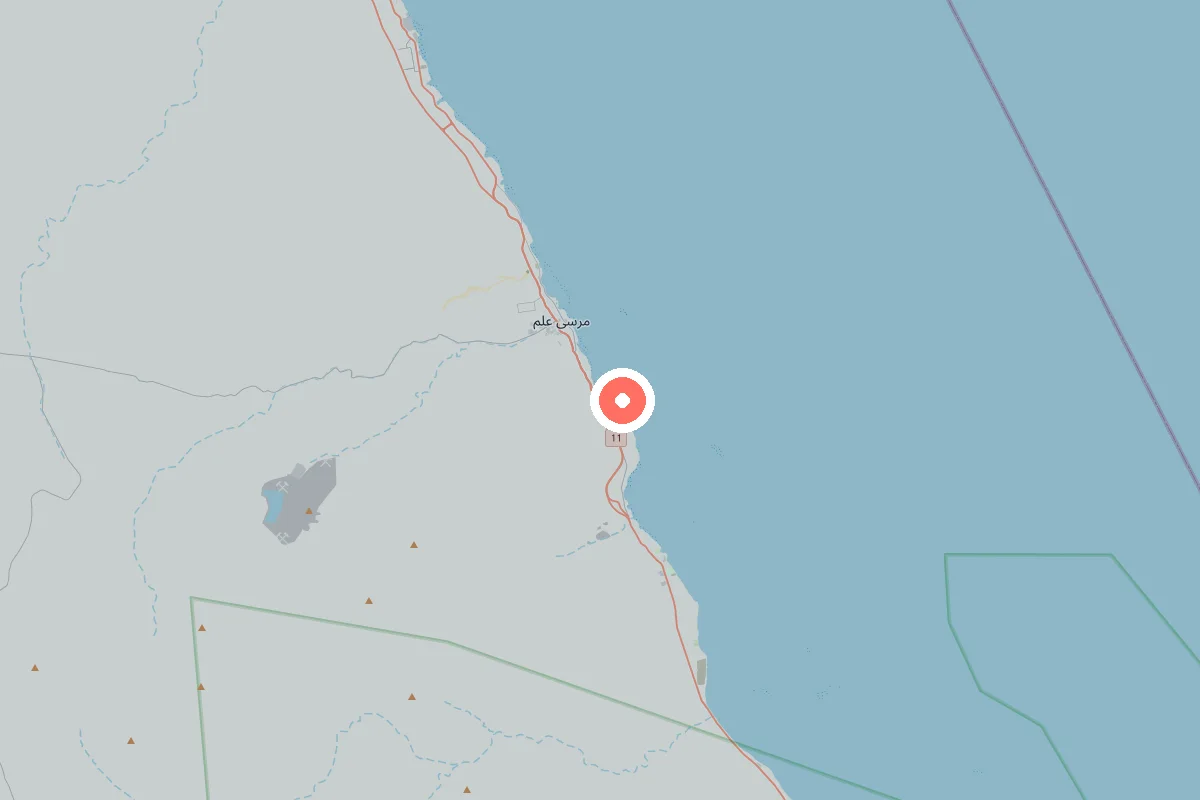
0.3 m · 2 kn · 27.1°C

The small satellite reef of Umm Gamaar, oval in shape and ringed by a shelf at 15-30 metres that has claimed at least three ships. The south plateau, reachable from the mooring, is a sloping coral garden holding the scattered remains of an Egyptian army supply vessel; the east side is a natural wall drift past the resting place of the safari boat Colona IV, which lies below recreational depths. Afternoons here offer one of the better chances around Hurghada of meeting grey reef sharks.

Grey reef sharks (afternoons, with luck) Army supply-ship wreck remains +2 more
Abu Siyal 8–25 m Verified location map © OpenStreetMap

Abu Siyal

Marsa Alam

Diving moderate 8–25m 35 min
0.3 m · 7 kn · 28.6°C

A vibrant, healthy reef just off the coast near Marsa Alam that delivers a classic Red Sea dive with fewer crowds. Large coral blocks and a sloping reef structure descend from about 8 to 25 metres, cloaked in a colourful mix of soft and hard corals teeming with fish. Visibility of 20 to 30 metres and generally easy navigation make Abu Siyal a great choice for long, relaxed dives and underwater photography across all experience levels.

Table & fire corals Soft & hard coral blocks +3 more
Shaab Eshta 7–12 m Verified location map © OpenStreetMap

Shaab Eshta

Hurghada

Diving easy 7–12m 45 min
0.2 m · 2 kn · 27.1°C

Two coral towers split by a narrow channel: a modest western erg and a larger eastern one shaped, unmistakably, like a heart, with a tight canyon-like passage running up to its crown. Sea grass sways at the outer edges while table corals and coral blocks dot the sandy flats between. A relaxed figure-of-eight around both towers covers the whole site in a single easy dive.

Barracuda hovering in the channel Scorpionfish, parrotfish & angelfish +1 more
Halg Shouna 5–20 m Verified location map © OpenStreetMap

Halg Shouna

Marsa Alam

Diving moderate 5–20m 30 min
0.4 m · 5 kn · 28.5°C

A spacious, protected bay between Marsa Alam and Port Ghalib that mixes sandy areas, coral bommies and lush seagrass beds into one relaxed, biodiverse dive. Its varied structure allows several dive profiles, from shallow introductory dives to slightly deeper reef exploration, at depths of roughly 5 to 20 metres. Very calm conditions make it ideal for training, macro hunting and the occasional encounter with larger marine species — comfortable whether dived from boat or shore.

Seagrass beds Coral bommies +3 more
Shaab Petra 8–15 m Verified location map © OpenStreetMap

Shaab Petra

Hurghada

Diving easy 8–15m 45 min
0.2 m · 2 kn · 27.1°C

Two oval, hill-shaped coral towers joined by a 60-metre coral garden running east to west, each with its own mooring. The shallow hard coral is in outstanding condition; the eastern tower ends in a huge brain coral that looks uncannily like a turtle resting on the bottom, and hides a small cavern where glassfish swirl under the watch of a resident redtooth grouper. A gentle figure-of-eight takes about 45 minutes.

Turtle-shaped giant brain coral Glassfish cavern with resident grouper +2 more
Marsa Egla 5–20 m Verified location map © OpenStreetMap

Marsa Egla

Marsa Alam

Diving moderate 5–20m 20 min
0.3 m · 5 kn · 28.5°C

A wide, sandy bay just north of Marsa Alam town, prized for calm conditions and easy entry that make it ideal for beginners, check dives and underwater photography. A mix of sandy bottom, seagrass meadows and fringing reef along the northern and southern edges gives a varied dive from about 5 to 20 metres. What makes Marsa Egla especially popular is its reliable sightings of green sea turtles and the occasional dugong grazing in the shallow seagrass — a true Red Sea treasure.

Green sea turtles Dugong (occasional) +3 more
Shaab Sabina 8–14 m Verified location map © OpenStreetMap

Shaab Sabina

Hurghada

Diving easy 8–14m 90 min
0.3 m · 3 kn · 27.0°C

A tongue of reef stretching east with the moorings on its southern side. North of the main reef lies the real attraction: a maze of coral ridges and towers forming one of the most theatrical underwater landscapes near Hurghada, beside an exquisite coral garden cascading down to bright white sand at 14 metres. The nutrient-rich north face sparkles with life, layered like a carefully tended garden of hard corals.

Dramatic labyrinth of coral ridges Hard-coral garden in superb condition +1 more
Marsa Murein 5–22 m Verified location map © OpenStreetMap

Marsa Murein

Marsa Alam

Diving moderate 5–22m 25 min
0.3 m · 7 kn · 28.3°C

A quiet, picturesque bay south of Marsa Alam offering relaxed diving in calm, protected water. A sandy seabed, scattered coral formations and lush seagrass meadows create the perfect mix of reef and macro diving from about 5 to 22 metres. The site is especially rewarding for long, shallow dives — plenty of time to watch reef life, spot turtles and explore the small caves and coral heads that dot the bay.

Green turtles Seagrass meadows +3 more
Turft El Shahed (Between the Mountains) 8–20 m Verified location map © OpenStreetMap

Turft El Shahed (Between the Mountains)

Hurghada

Diving easy 8–20m 90 min
0.2 m · 3 kn · 27.1°C

In the heart of the Giftun Marine Park, where a channel separates Big and Small Giftun, a spur off Small Giftun's northern tip sits encircled by coral pinnacles — the reason locals say this site lies "between the mountains". A shallow channel leads west from the mooring to the soft-coral pinnacles; further north a beautiful coral tower riddled with cavities and overhangs rewards the curious, and strong navigators can drift all the way to neighbouring Banana Reef.

Soft-coral pinnacles Eagle rays (quite common) +2 more
Marsa Assalaia 3–15 m Verified location map © OpenStreetMap

Marsa Assalaia

Marsa Alam

Diving easy 3–15m 20 min
0.3 m · 6 kn · 28.4°C

A quiet, sandy bay just south of Marsa Alam town, known for shallow depths, calm conditions and easy shore access that make it a perfect entry-level and training site. Despite its simplicity, a mix of seagrass beds and coral blocks scattered along both sides of the bay brings surprising biodiversity. With depths of only 3 to 15 metres and extremely stable conditions, it is equally suited to first-time divers discovering the underwater world and photographers seeking calm water to capture marine life.

Seagrass beds Patch coral reefs +3 more
Abu Nuhas Wrecks 4–27 m Verified location map © OpenStreetMap

Abu Nuhas Wrecks

Hurghada

Diving hard 4–27m 120 min
0.3 m · 6 kn · 26.8°C

Abu Nuhas is the Red Sea's ship graveyard and the most famous wreck diving near Hurghada: four shipwrecks - the Carnatic, Giannis D, Chrisoula K and Kimon M - lie on a single reef at the mouth of the Gulf of Suez, reached from Hurghada by long day boat or liveaboard. The reef rises to just below the surface right in the shipping lane, which is why so many ships struck it. The Carnatic, a steam-and-sail passenger ship lost in 1869, lies at roughly 18-27 m with her ribs and hull draped in coral. The Giannis D (1983) sits on the reef slope and is the easiest of the four to dive, while the Chrisoula K (1981), which went down with a cargo of Italian floor tiles, and the broken Kimon M (1978) are shallower and make good second dives. Expect swim-throughs, swarms of glassfish, lionfish and moray eels on every hull - one of the best wreck dives in Egypt and a highlight of Red Sea wreck diving. Abu Nuhas is open water: wind, swell and current are common, so the trip depends on the weather and usually takes a full day or a night on board. Advanced Open Water is recommended, and the PADI Wreck Diver course is the right preparation before you go inside any hold or engine room with a guide and a torch. Nitrox is useful for the longer dives on the deeper wrecks.

Glassfish swarms inside the wrecks Lionfish & scorpionfish +4 more
Thistlegorm Wreck 16–32 m Verified location map © OpenStreetMap

Thistlegorm Wreck

Hurghada

Diving hard 16–32m 210 min
0.3 m · 9 kn · 26.4°C

SS Thistlegorm is Egypt's most famous wreck dive and one of the best-known wreck dives in the world: a 126-metre British armed merchant ship sunk by German bombers in October 1941, still lying on the seabed with the war cargo she was carrying. She rests on a sandy bottom at about 30 m with her deck at roughly 16-17 m, in the northern Red Sea at the mouth of the Gulf of Suez, first located by Jacques Cousteau in the 1950s and rediscovered by divers in the 1990s. The holds still contain Bedford trucks, BSA motorcycles, Bren Carriers, rifles and aircraft parts, and two railway locomotives lie beside the wreck where the blast threw them. Most divers make two dives - one around the outside, with the huge stern guns and the locomotives, and one through the holds - and the wreck is covered in coral and busy with glassfish, batfish and lionfish. The Thistlegorm is usually dived from Sharm el-Sheikh; from Hurghada it is a long-range trip by liveaboard or an overnight crossing. Current can be strong and the surface choppy, so Advanced Open Water (ideally with Nitrox and wreck training) and calm-weather planning are advised. The wreck is protected: nothing may be removed.

Glassfish inside the holds Batfish +4 more
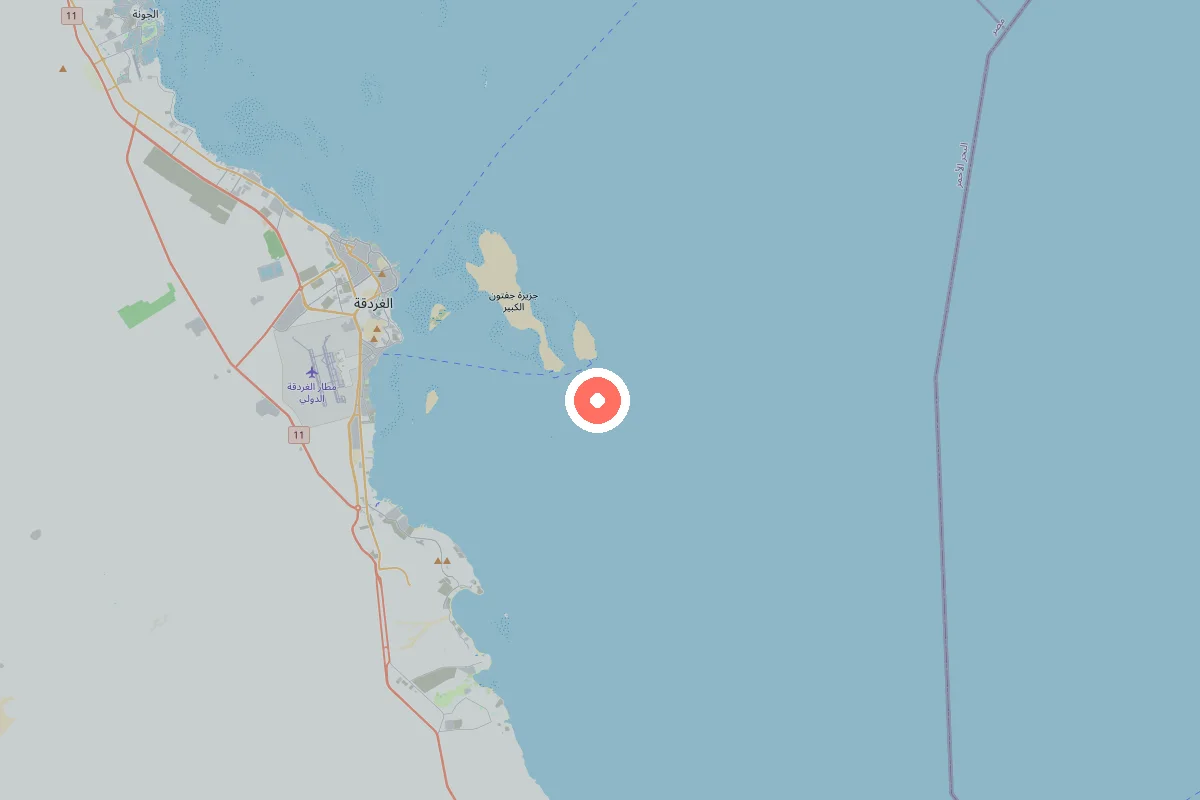
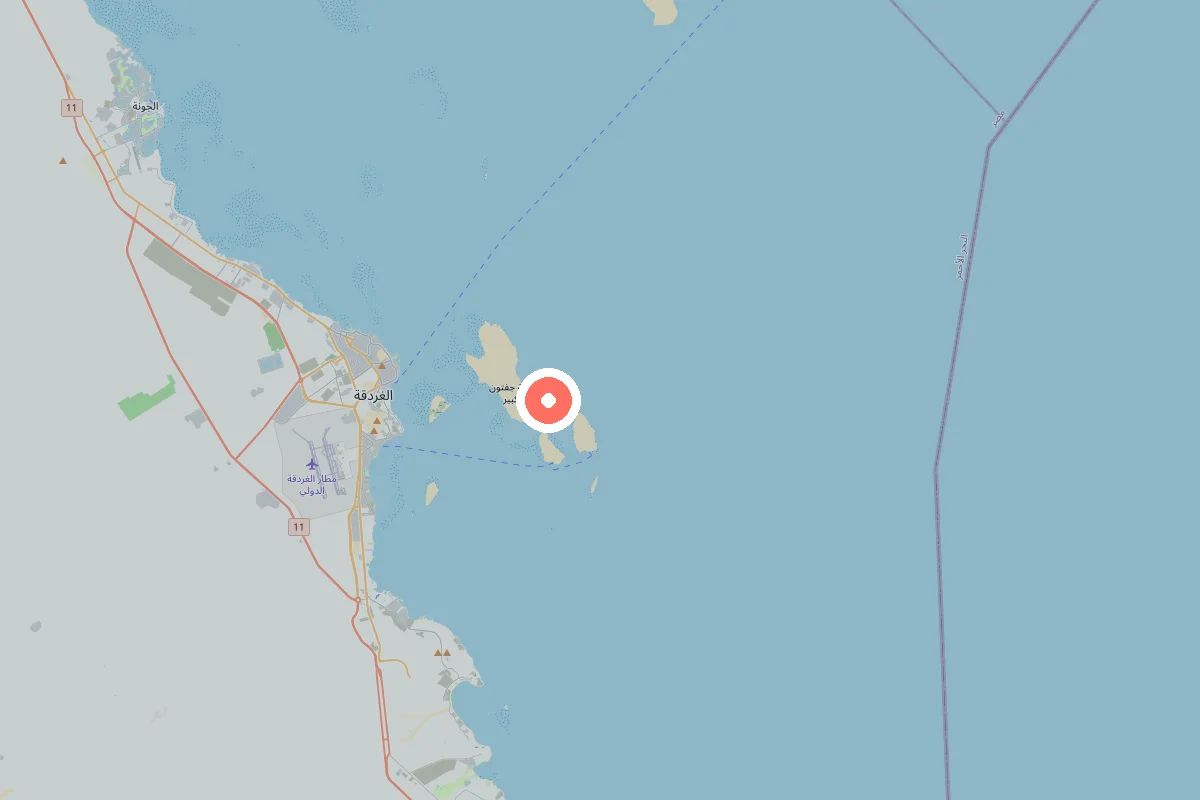
Giftun Islands 0–30 m Verified location map © OpenStreetMap

Giftun Islands

Hurghada

Diving & snorkeling easy 0–30m 60 min
0.3 m · 3 kn · 27.0°C

The Giftun Islands, Giftun Kebir (Big Giftun) and Giftun Soghayar (Small Giftun), are the protected marine park off Hurghada and the classic day trip for snorkeling, Discover Scuba Diving and beginner dives in the Red Sea. The sheltered leeward side offers calm turquoise water, white beaches and healthy coral gardens, with well-known stops such as Mahmya, Paradise Island and Orange Bay. Depths run from the shallow reef top to about 30 m, so the islands suit first-time divers, snorkelers, families and divers finishing their Open Water course. Turtles, Napoleon wrasse, parrotfish and colourful schools of anthias are regular residents, and dolphins and even whale sharks have been reported in the area. For deep and technical diving see the separate Small Giftun guide. Trips leave from Hurghada marina and take roughly an hour by boat. As a national park, a marine park entrance fee applies on top of the trip, and rules protect the reef: no touching, no anchoring on coral, no feeding fish. Sun protection and a rash vest are worth bringing, as the boat spends most of the day in the open sea.

Colourful coral gardens Sea turtles (occasional) +4 more
Salem Express (Safaga) 12–30 m Verified location map © OpenStreetMap

Salem Express (Safaga)

Hurghada

Diving moderate 12–30m
0.2 m · 2 kn · 27.4°C

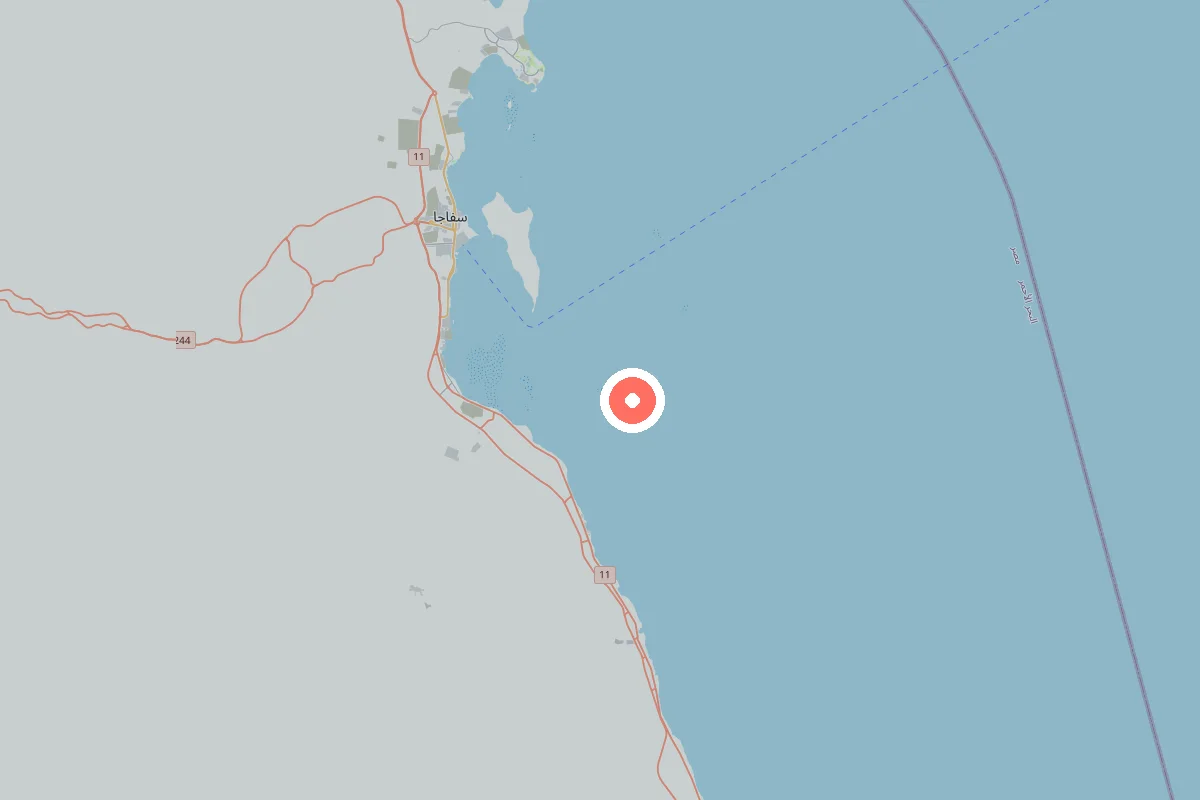
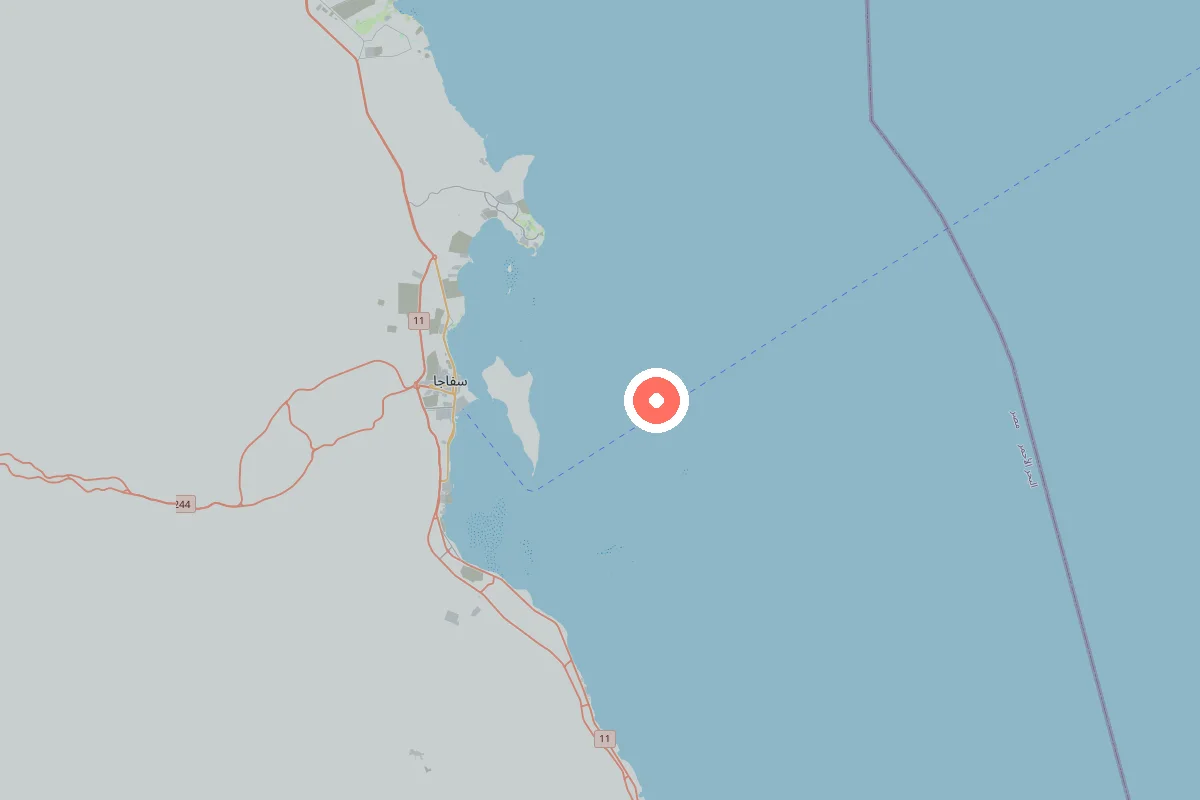
The Salem Express is one of the best-known wrecks in the Red Sea: an Egyptian passenger ferry that sank on a reef off Safaga in December 1991 while returning from Saudi Arabia, and now lies on her side between about 12 and 30 m. About 100 metres long, she rests with her hull covered in coral, home to glassfish and lionfish, with barracuda and jacks passing over the wreck. Because a large number of people lost their lives, the Salem Express is treated as a memorial, and divers are asked to stay outside, to touch and take nothing, and to photograph with respect. Guides brief every dive accordingly, and it is one of the most moving wreck dives in Egypt. The wreck is in the Safaga area, roughly 60 km south of Hurghada, so it is usually a full-day trip with a road transfer. Advanced Open Water is recommended for the depth and possible current, and Nitrox extends bottom time. Weather can make the site inaccessible, and the dive centre decides on the day.

Glassfish & fusiliers Lionfish & scorpionfish +3 more
Panorama Reef (Safaga) 5–30 m Verified location map © OpenStreetMap

Panorama Reef (Safaga)

Hurghada

Diving moderate 5–30m
0.2 m · 2 kn · 27.4°C

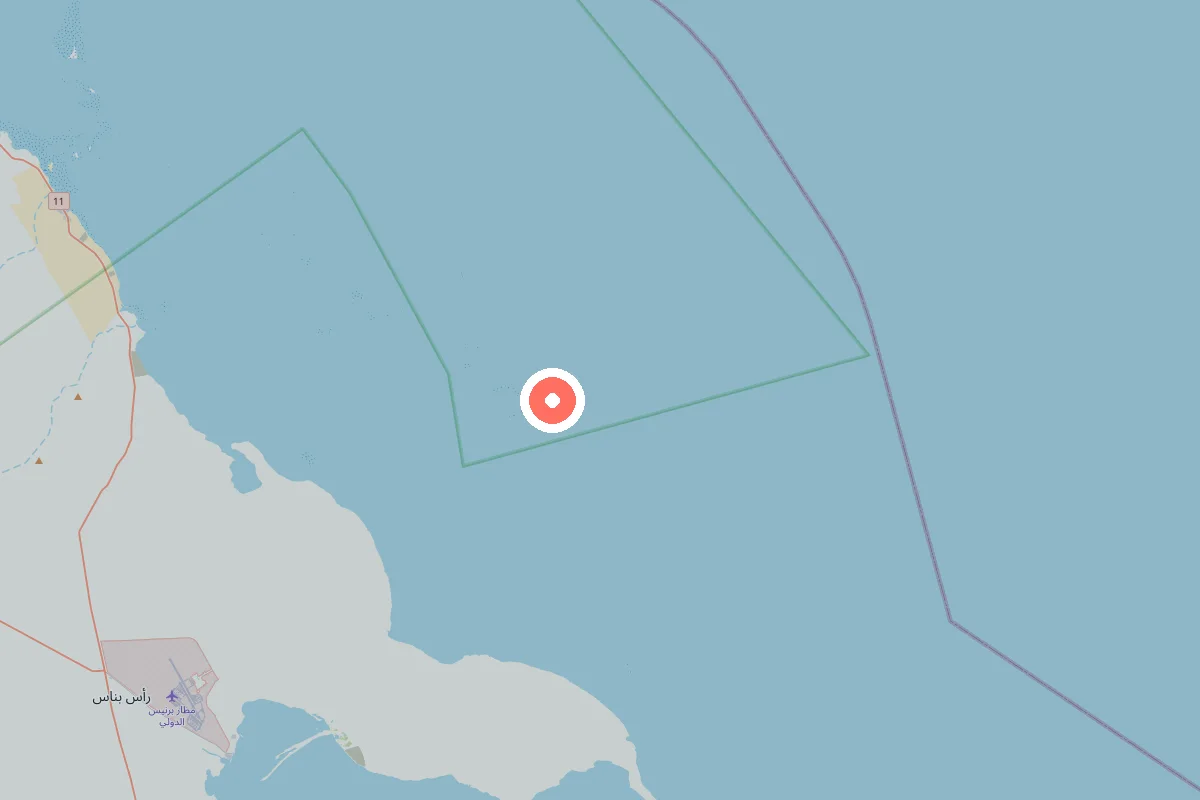
Panorama Reef is a large offshore reef near Safaga, prized for its shark sightings, big schools of fish and a long wall that suits drift diving, and it is one of the best dives in the Safaga area of the Red Sea. A shallow plateau at about 5-12 m gives way to a steep wall that falls well beyond recreational depth. Along it you can see reef sharks at times, occasional hammerheads in season, Napoleon wrasse, tuna, barracuda, giant morays and clouds of anthias over healthy hard and soft coral. Current is part of the appeal and part of the challenge, which is why Panorama Reef is a favourite of experienced divers looking for big fish action away from the crowds. Panorama Reef is dived from Safaga, about 60 km south of Hurghada, so it is normally a full-day trip with a road transfer. Advanced Open Water and comfort with drift diving are advised, and Nitrox helps with multiple dives. Conditions depend on wind and swell, and the boat captain decides on the day.

Reef sharks (at times) Hammerhead sharks (occasional, seasonal) +4 more
Satayeh Dolphin Reef 3–25 m Verified location map © OpenStreetMap

Satayeh Dolphin Reef

Marsa Alam

Diving & snorkeling easy 3–25m
0.3 m · 8 kn · 29.1°C

Satayeh Reef, known to divers and snorkelers as Dolphin Reef, is a horseshoe-shaped reef in the far south of the Egyptian Red Sea, famous for the spinner dolphins that rest in its lagoon during the day. The lagoon is shallow and light-filled, with coral gardens, pinnacles and sandy patches at about 3-25 m, so the site suits snorkelers, beginners and certified divers alike. The dolphins are wild and free to come and go: guides ask you to enter the water quietly, keep your distance, never chase, touch or corner an animal and stay with the group. Turtles, Napoleon wrasse and rich reef life complete the picture. Do not confuse Satayeh with Samadai (Dolphin House), the better-known dolphin reef closer to Marsa Alam. Satayeh lies further south, so trips usually combine a road transfer with a boat ride and make a full day. Sightings are best early in the morning and depend on the dolphins' own schedule; nothing is guaranteed. Calm weather is essential for the crossing.

Spinner dolphins (often present) Green & hawksbill turtles +3 more
Dolphin House 3–18 m Verified location map © OpenStreetMap

Dolphin House

Hurghada

Diving & snorkeling easy 3–18m 60 min
0.2 m · 2 kn · 26.0°C

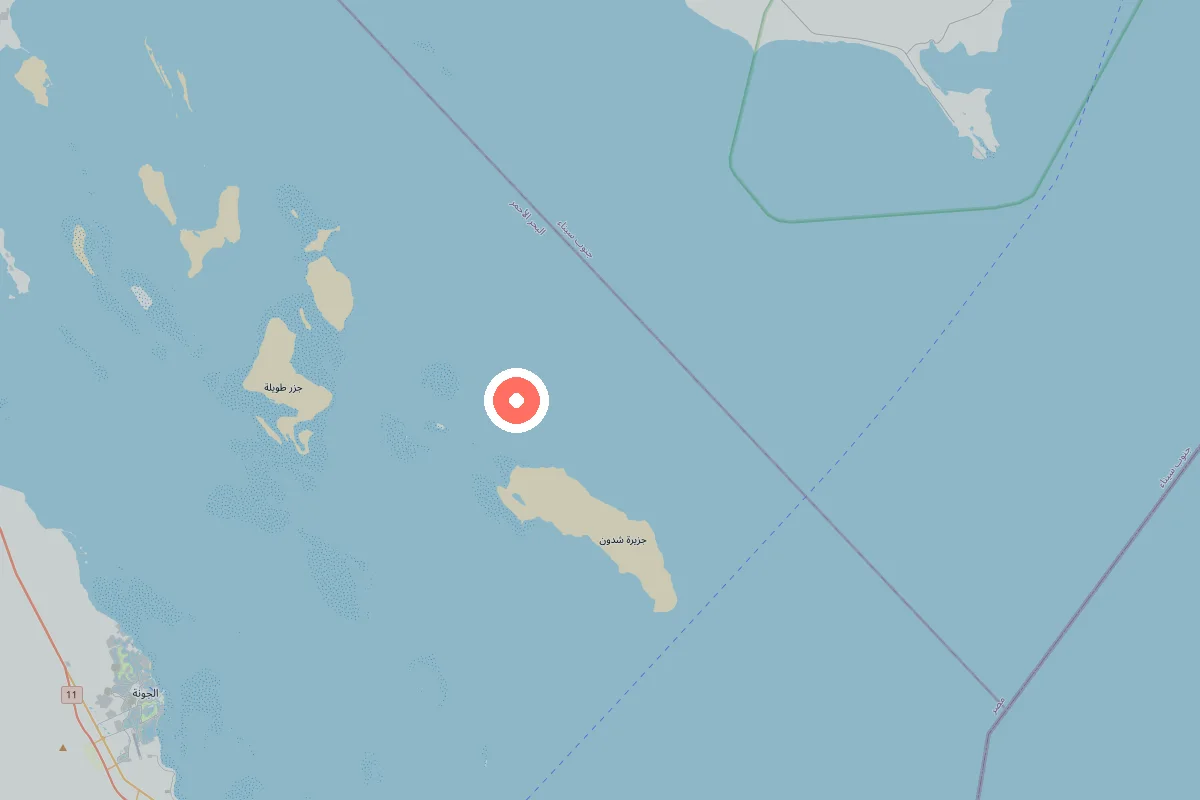
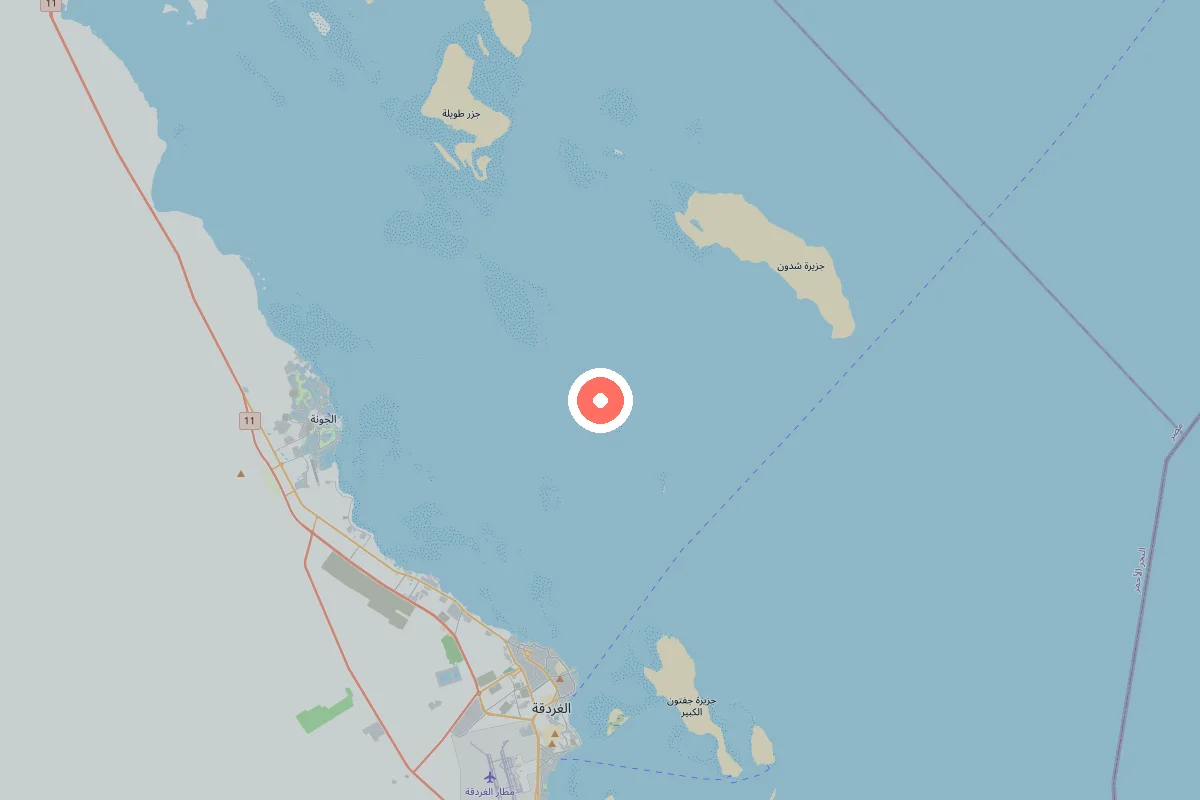
In Hurghada, Dolphin House usually means Sha'ab El Erg, a large horseshoe-shaped reef about 35 km north-east of the city, off El Gouna, where a resident pod of wild bottlenose dolphins lives around the calm water of its central lagoon, and it is the most popular dolphin trip from Hurghada for snorkelers, families and first-time visitors. The dolphins use the sheltered, light-filled lagoon as their base, so the best chance to see them is on an early boat, when the water is calm and boat traffic is low. They are wild and free to come and go: sightings are common but never guaranteed. Guides brief every group to enter the water quietly, keep a respectful distance, never chase, touch or feed the dolphins and stay together, because swimming with dolphins should be about watching them in their own habitat. The reef around the lagoon adds coral gardens, colourful reef fish and, with luck, turtles and eagle rays, and most Dolphin House trips include one or two snorkeling stops on nearby coral reefs. This is mainly a snorkeling and boat day: a typical trip lasts around six hours, including the ride out, lunch on board and time in the water, with hotel pick-up in Hurghada. Bring reef-safe sunscreen, a rash vest, a towel, sunglasses and a hat, and take a seasickness tablet if you are sensitive, as the boat spends most of the day in open sea. Do not confuse it with Sha'ab Samadai (Dolphin House), the dolphin reef near Marsa Alam.

Bottlenose dolphins (often present) Coral gardens +3 more
Paradise Island 0–8 m Verified location map © OpenStreetMap

Paradise Island

Hurghada

Snorkeling easy 0–8m 60 min
0.2 m · 2 kn · 27.1°C

Paradise Island is one of the most popular snorkeling stops in Hurghada: a small island beach in the Giftun marine park with white sand, turquoise shallows and a healthy coral reef only a short swim from the shore. The water is clear, calm and shallow, so this is an easy first snorkel for children, beginners and anyone nervous about deep water, and a good place to relax on the sand between swims. Just off the beach you can float over coral gardens with parrotfish, butterflyfish and clownfish, and turtles are seen now and then. It is a snorkeling and beach stop rather than a dive site, and it is usually combined with a second reef on a full-day boat trip from Hurghada. Trips leave from Hurghada marina and take roughly an hour by boat, with lunch on board on most day trips. As part of a national park, a marine park entrance fee applies on top of the trip, and the reef rules apply: no standing on or touching the coral, no feeding fish. Bring reef-safe sunscreen, a rash vest, a towel, sunglasses and a hat, and use a swim vest if you are not a confident swimmer.

Parrotfish & butterflyfish Clownfish among anemones +3 more
Orange Bay 0–8 m Verified location map © OpenStreetMap

Orange Bay

Hurghada

Snorkeling easy 0–8m 60 min
0.3 m · 3 kn · 27.0°C

Orange Bay is a shallow, turquoise bay on the Giftun islands off Hurghada, known for its pale sandy beach and calm clear water, and it is one of the most popular family snorkeling spots in the Red Sea. The bay is sheltered and the water is knee-to-shoulder deep near the shore, so it suits children, beginners and relaxed swimmers, with a reef and coral heads to snorkel over just beyond the sand. Expect parrotfish, butterflyfish and damselfish over healthy coral, and the occasional turtle. Most visitors spend a mix of beach time and snorkeling here, and many boat trips combine Orange Bay with Paradise Island or another reef in the Giftun marine park. Trips leave from Hurghada marina and take roughly an hour by boat. As a national park, a marine park entrance fee applies on top of the trip, and reef rules protect the coral: no touching, no standing on the reef, no feeding fish. Sun protection, a rash vest, a towel and a swim vest for anyone who is not a confident swimmer are worth bringing. It is a snorkeling and beach stop, not a dive site.

Parrotfish & butterflyfish Sergeant majors & damselfish +3 more

Dive sites in Hurghada

The 33 reefs, walls and wrecks our boats dive out of Hurghada — 18 of them graded easy, and the deepest dropping to 100 metres. Boat times are from the main harbour.

Dive site Depth Level By boat
El Fanadir 0–25 m Easy 60 min
Shaab Abu Nugar 0–30 m Moderate 90 min
Umm Gamaar 0–20 m Moderate 90 min
Small Giftun 18–30 m Advanced 80 min
Carless Reef 12–25 m Advanced 60 min
Fanous East 8–27 m Easy 30 min
Erg Abu Ramada (Camel Reef) 10–60 m Advanced 80 min
Ras Disha 9–18 m Moderate 90 min
Abu Hashish 6–60 m Easy 90 min
Banana Reef 14–22 m Easy 90 min
El Erug 12–14 m Easy 60 min
El Minya Wreck 17–32 m Advanced 10 min
Erg Sabina 10–12 m Easy 90 min
Erg Somaya 5–60 m Moderate 75 min
Fanous West 0–14 m Easy 30 min
Hamda (Stone Beach) 0–50 m Easy 70 min
Gota Abu Ramada (The Aquarium) 0–40 m Easy 75 min
North Abu Ramada 20–100 m Advanced 80 min
South Abu Ramada 5–35 m Easy 80 min
North Umm Gamaar 0–40 m Moderate 90 min
Shabruhr Umm Gamaar 15–30 m Moderate 90 min
Shaab Eshta 7–12 m Easy 45 min
Shaab Petra 8–15 m Easy 45 min
Shaab Sabina 8–14 m Easy 90 min
Turft El Shahed (Between the Mountains) 8–20 m Easy 90 min
Abu Nuhas Wrecks 4–27 m Advanced 120 min
Thistlegorm Wreck 16–32 m Advanced 210 min
Giftun Islands 0–30 m Easy 60 min
Salem Express (Safaga) 12–30 m Moderate —
Panorama Reef (Safaga) 5–30 m Moderate —
Dolphin House 3–18 m Easy 60 min
Paradise Island 0–8 m Easy 60 min
Orange Bay 0–8 m Easy 60 min

Dive sites in Marsa Alam

The 16 reefs, walls and wrecks our boats dive out of Marsa Alam — 6 of them graded easy, and the deepest dropping to 70 metres. Boat times are from the main harbour.

Dive site Depth Level By boat
Elphinstone Reef 10–70 m Advanced 45 min
Habili Nakari 10–35 m Advanced 40 min
Habili Ghadeer 10–35 m Advanced 40 min
Dream Reef 10–30 m Moderate 35 min
Banana Reef 5–25 m Easy 30 min
Sha'ab Marsa Alam 5–30 m Moderate 30 min
Sha'ab Ghadeer 5–25 m Moderate 30 min
Marsa Abu Dabbab 5–18 m Easy 25 min
Marsa Samadai (Dolphin House) 5–20 m Easy 40 min
Abu Ghusun (Hamada Wreck) 5–18 m Easy 60 min
Abu Siyal 8–25 m Moderate 35 min
Halg Shouna 5–20 m Moderate 30 min
Marsa Egla 5–20 m Moderate 20 min
Marsa Murein 5–22 m Moderate 25 min
Marsa Assalaia 3–15 m Easy 20 min
Satayeh Dolphin Reef 3–25 m Easy —

Red Sea dive sites — common questions

How many dive sites are there in Hurghada?

We dive 33 sites out of Hurghada and publish a guide to each one — depth, difficulty, boat time and what lives there. Across the whole Egyptian Red Sea coast we cover 49. The reefs listed here are the ones our boats actually visit, not every reef on the map.

Which dive sites are easiest for beginners?

Filter the list above to "Easy" — 18 of the Hurghada sites are graded that way. They are the shallow, sheltered reefs with little or no current, which is where a Discover Scuba dive or a first Open Water dive normally goes. Every site page states its depth range and difficulty, so you can check before you book.

How far are the reefs by boat?

The nearest sites are about 10 minutes from the Hurghada harbour; the furthest take a couple of hours each way and are usually run as a full day. Boat time is listed against every site in the table below and on its own page. Times are from the main harbour and vary with sea conditions.